ChatGPT for iOS and Android can now start Codex work on Windows
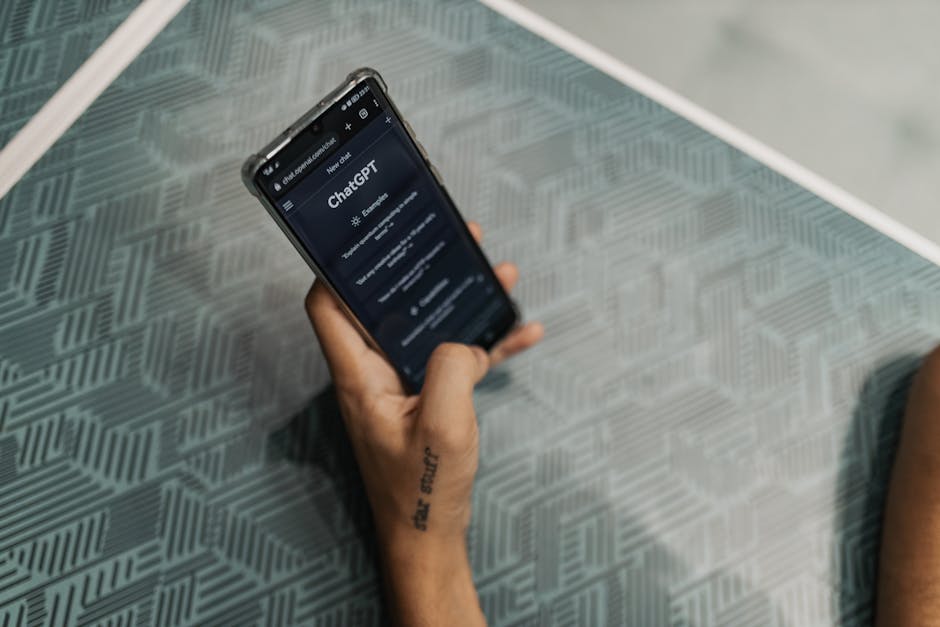
OpenAI has expanded the cross-platform capabilities of its ChatGPT mobile application, enabling users of both iOS and Android devices to initiate Codex workflows on Windows systems, marking a significant advancement in the company's effort to create a seamlessly integrated development environment across disparate operating systems. This capability, which became available starting this week following an earlier update that introduced remote access to Codex for Mac users, represents OpenAI's recognition that modern development work increasingly demands flexibility across multiple computing environments. The move allows developers to leverage ChatGPT's conversational interface on their smartphones to begin code generation and modification tasks that execute on their Windows machines, effectively collapsing the traditional barriers between mobile interface and desktop computational power. This development comes at a time when remote work and distributed development practices have become the operational norm rather than the exception, and when the ability to seamlessly transition between devices has become a competitive necessity for productivity-focused software platforms.
The introduction of mobile-initiated Codex access reflects the broader evolution of AI-assisted development tools that have emerged over the past two years, particularly since the public release of ChatGPT in late 2022 fundamentally altered expectations around conversational interfaces for technical tasks. Previously, developers seeking to use Codex or similar code generation systems were largely constrained to web interfaces or native desktop applications, creating friction when attempting to work across multiple devices or maintain continuity while away from primary workstations. OpenAI's decision to expand ChatGPT's mobile capabilities demonstrates growing confidence that smartphone-based interactions can serve as viable entry points for sophisticated computational tasks, rather than relegating mobile devices to secondary or informational roles. This shift also reflects mounting competitive pressure from other AI and development tool providers who have similarly begun enhancing their mobile offerings, suggesting that cross-platform accessibility has transitioned from a luxury feature to a baseline expectation. The timing is particularly consequential as enterprises increasingly expect their development teams to maintain productivity across heterogeneous technology stacks, and as the distinction between "mobile" and "desktop" development workflows continues to blur through cloud integration and remote execution models.
The technical implementation allowing iOS and Android users to initiate Codex work on Windows represents a notable engineering accomplishment, one that required OpenAI to establish reliable communication protocols between mobile clients and distant Windows environments while maintaining security and authentication integrity. The earlier release of similar functionality for Mac systems provided OpenAI with practical experience in managing cross-device state synchronization and remote execution queuing, knowledge that appears to have informed the Windows implementation. The enhancement to ChatGPT's iOS app, which introduces additional features and performance improvements beyond mere Windows compatibility, suggests OpenAI has undertaken a comprehensive refinement of its mobile offering rather than a superficial feature addition. These improvements likely address user feedback regarding latency, interface responsiveness, and the contextual clarity required when initiating complex coding tasks from a mobile device where screen real estate and interaction precision differ substantially from desktop environments. The rollout strategy, which initially targeted Mac before extending to Windows, indicates a methodical approach to validating functionality across different architectures and user bases before broader deployment.
For technology professionals and enterprises managing heterogeneous development environments, this capability provides immediate practical advantages that extend beyond theoretical elegance in platform integration. Developers can now conceive of Codex work initiation as truly device-agnostic, beginning a coding task while commuting via smartphone, reviewing its progress on a tablet, and conducting detailed refinement on a laptop or desktop without artificial constraints imposed by platform limitations. This workflow flexibility addresses a specific pain point for distributed teams where developers may not maintain continuous physical presence at primary workstations, yet require immediate ability to leverage AI-assisted coding when inspiration strikes or when urgent modifications are needed outside normal working hours. The capability also supports emerging practices around asynchronous code review and collaborative development, where one team member might initiate a Codex task on a mobile device, scheduling it for execution on a team member's Windows environment while maintaining full visibility and control through ChatGPT's interface. For organizations running diverse technology stacks where Windows remains prevalent despite broader industry movement toward macOS and Linux, this development eliminates a previous limitation that could have tilted decision-making toward competing platforms or less mature tools.
This expansion reveals a fundamental strategic commitment from OpenAI toward creating what might be termed a "device-transcendent" development environment, where the particular hardware or operating system becomes secondary to the capabilities made available through OpenAI's AI infrastructure and platform integration. The pattern emerging across recent ChatGPT updates suggests OpenAI is deliberately targeting friction points in the contemporary development experience: the earlier Mac Codex integration addressed a significant user base feeling sidelined by tools optimized for other platforms, while the Windows expansion now ensures compatibility with enterprise environments where Windows remains entrenched in many organizations' infrastructure. This approach contrasts with certain competitors who have pursued narrower platform strategies, and it positions OpenAI as attuned to the pragmatic reality that technological leadership requires accommodating existing user environments rather than demanding wholesale platform migrations. The investment in cross-platform mobile initiation of backend work also signals confidence that mobile devices will serve increasingly central roles in developer workflows, a thesis that may prove consequential if validated by adoption patterns and usage data. Within the broader landscape of AI-assisted development tools, OpenAI's emphasis on accessibility and device flexibility may represent a competitive differentiator, particularly among developers who value seamless workflow continuity across their professional technology ecosystems.
Organizations and individual developers should monitor several specific developments to understand how this capability matures and integrates into broader development practices. The actual usage patterns and developer feedback regarding the iOS and Android Codex functionality will indicate whether mobile-initiated development tasks represent a substantial workflow innovation or remain a niche capability, and OpenAI's disclosure of such metrics in coming quarters will prove illuminating for assessing the feature's real-world adoption trajectory. Additionally, watch for potential expansion of this cross-platform model to other OpenAI tools and capabilities beyond Codex, as the infrastructure supporting remote Windows execution could potentially extend to other computationally intensive tasks or integrations; any announcements along these lines would signal OpenAI's confidence in the underlying architecture. The response from competing development tool providers will also merit attention, particularly whether platforms like GitHub Copilot, JetBrains, or other established development environment vendors announce similar cross-platform mobile capabilities or whether they pursue differentiation through alternative means. By the end of 2024, examining whether major enterprises have begun formally incorporating mobile-initiated Codex workflows into development standards or guidelines would provide concrete evidence of whether this capability represents a meaningful shift in how professional development actually occurs, or whether it remains a technically impressive but practically marginal feature in the broader ecosystem.