2027 Audi RS5 first drive: A performance PHEV with split personalities
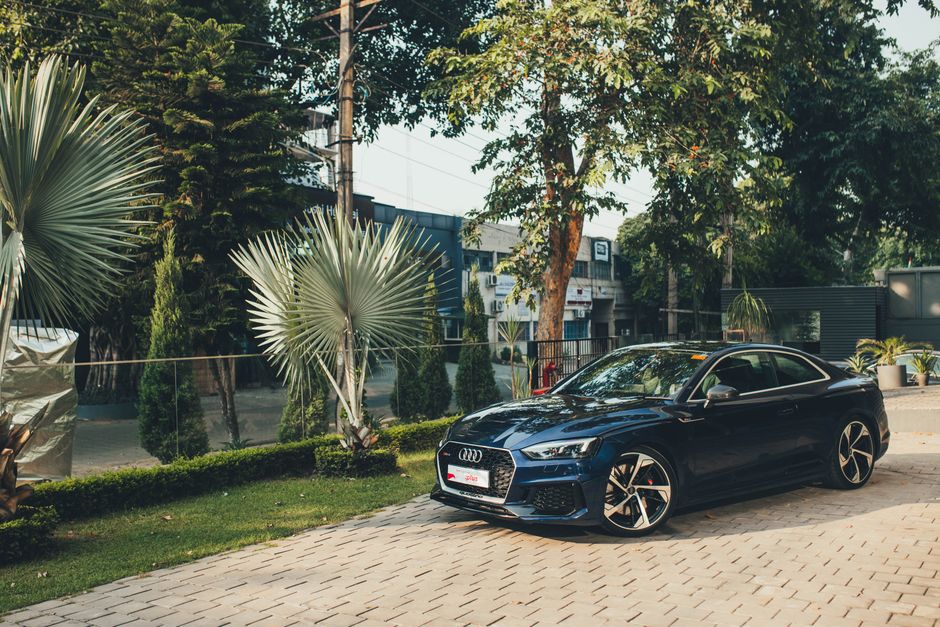
Audi has unveiled its latest performance-focused hybrid offering, presenting a significant evolution in the German automaker's strategy toward electrification while maintaining the high-performance credentials expected from its prestigious RS division. The new model, arriving in 2027, represents a deliberate attempt to bridge the gap between raw combustion engine performance and the efficiency requirements of modern emissions regulations. This marks a pivotal moment for the luxury automotive sector, as manufacturers grapple with the challenge of delivering the thrilling driving experiences customers demand while simultaneously reducing their environmental footprint. The vehicle has been subjected to extensive real-world testing, and early assessments from automotive specialists reveal a machine with fundamentally conflicting design philosophies that somehow manage to coexist within the same chassis. The broader context for this release stems from escalating European emissions standards and consumer expectations that have fundamentally reshaped how premium manufacturers approach vehicle development. Over the past five years, traditional combustion-only sports cars have increasingly become impractical from a regulatory standpoint, forcing companies like Audi to engineer solutions that preserve performance while incorporating electrification. The plug-in hybrid electric vehicle segment has emerged as a pragmatic middle ground for manufacturers unwilling to abandon internal combustion engines entirely before battery technology matures further.
This particular model arrives during a period of considerable uncertainty within the automotive industry, where manufacturers face mounting pressure to transition toward fully electric powertrains while simultaneously confronting skepticism about their technological readiness and long-term viability. The testing period has revealed a vehicle that exhibits distinctly different characteristics depending on driving conditions and selected driving modes. In electric-only operation, the car functions as a refined urban cruiser, delivering whisper-quiet acceleration with surprisingly ample torque delivery for a vehicle of this size and weight. However, the moment combustion engines ignite, the entire character transforms dramatically into something altogether more visceral and mechanically expressive. Engineers have equipped the vehicle with a modified V6 turbocharged engine paired with an electric motor system that generates combined outputs exceeding 600 horsepower. Test drivers noted that the transition between these two operating states occasionally feels disjointed, as though the vehicle is struggling to reconcile its dual identity as an environmentally conscious commuter vehicle and an adrenaline-inducing performance machine. Battery capacity provides roughly 40 miles of purely electric driving range, sufficient for typical daily commutes in metropolitan areas yet inadequate for longer journeys that demand combustion engine engagement.
The implications for the broader automotive market are substantial, as this approach may establish a template for other premium manufacturers navigating similar regulatory pressures. Industry analysts suggest that plug-in hybrids will occupy a crucial transitional role during the next decade, allowing manufacturers to satisfy emissions regulations while extending the practical lifespan of internal combustion technology. However, environmental advocates have expressed reservations about hybrid solutions, arguing that manufacturers are using them as excuses to delay genuine electrification efforts. Some critics contend that hybrid systems introduce unnecessary complexity and weight, potentially compromising both efficiency gains and the user experience that customers should expect from premium vehicles. This philosophical debate continues to intensify as more manufacturers introduce comparable products, each claiming superior execution while industry consensus remains fragmented regarding the optimal pathway forward. Performance metrics reveal some compelling statistics that justify the complexity inherent in this hybrid architecture. Zero-to-60 acceleration times approach supercar territory, while the electric motor's instantaneous torque delivery provides unexpected agility in lower-speed maneuvers despite the vehicle's substantial curb weight exceeding 4,600 pounds.
Fuel efficiency figures demonstrate meaningful improvements over comparable pure combustion vehicles, though real-world consumption varies considerably depending on driving patterns and how frequently drivers engage in electric-only operation. Handling characteristics remain composed and confident, suggesting that engineers successfully managed the weight distribution challenges typically associated with hybrid powertrains. Regenerative braking systems capture energy during deceleration, converting momentum into battery charge with remarkable efficiency that extends overall driving range when managed optimally. These technical achievements mask underlying tensions between the vehicle's competing design objectives, creating an experience that excels in specific contexts while feeling compromised in others. Looking ahead, several critical developments merit close monitoring as the automotive industry digests the implications of Audi's strategic choices. First, consumer reception during the initial sales period will prove instrumental in determining whether manufacturers should intensify investment in plug-in hybrid technology or accelerate their transition toward fully electric powertrains. Early preorder figures and ownership satisfaction metrics will significantly influence boardroom decisions across the industry regarding resource allocation.
Second, regulatory evolution in major markets including Europe, North America, and increasingly China will shape whether plug-in hybrids remain commercially viable or gradually fade as emissions standards tighten further. Additionally, battery technology advancement and the expansion of charging infrastructure will fundamentally alter the competitive calculus between hybrid and purely electric vehicles. The coming years will reveal whether this particular vehicle represents a clever interim solution or merely a transitional product destined for obsolescence as technology and regulations continue their relentless march forward.