'I forgot what it's like to be outside': Intensive care ward opens on rooftop
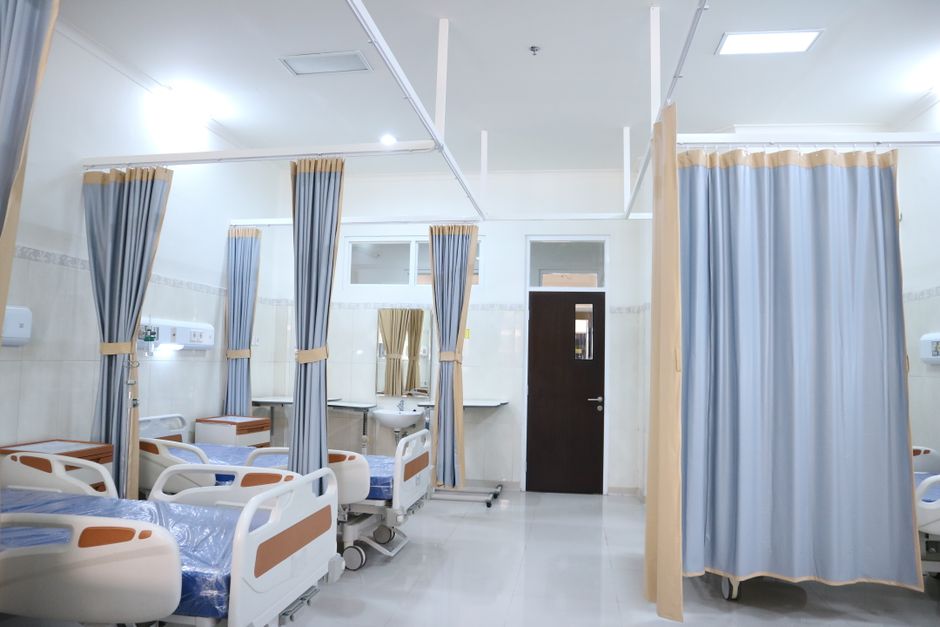
King's College Hospital in central London has become the first healthcare facility in the United Kingdom to establish a specialized intensive care unit on a rooftop, marking a significant innovation in patient care and environmental therapy. The outdoor ward, which opened this month, represents a bold departure from the traditional hospital environment where critically ill patients typically spend weeks in enclosed rooms with artificial lighting and mechanized air circulation systems. Medical staff and hospital administrators hope the natural exposure, combined with views of the London skyline, will measurably improve recovery outcomes for some of the facility's most vulnerable patients. The initiative has already attracted considerable attention from healthcare professionals across the country, with many wondering whether the pioneering approach might soon be replicated in other major hospitals and medical centers. Patients selected for the rooftop facility will continue to receive the same level of intensive monitoring and clinical intervention as those in conventional indoor wards, but they will experience a fundamentally different sensory environment throughout their recovery process. The hospital's commitment to this experiment reflects growing recognition within medicine that psychological and emotional well-being can substantially influence physical healing, even among patients experiencing the most severe health crises. The decision to establish this outdoor intensive care space stems from decades of research demonstrating that natural light exposure, fresh air, and views of outdoor environments can produce measurable benefits for recovering patients. Hospital administrators and clinical leadership at King's College Hospital have increasingly recognized that traditional intensive care units, while medically sophisticated, often create sterile, artificially controlled environments that can psychologically strain both patients and their families during extended stays.
The rooftop location offers patients something many had assumed impossible while critically ill: the opportunity to breathe outdoor air, feel natural sunlight, and maintain psychological connection with the wider world. This development coincides with broader shifts in healthcare design philosophy, where institutions are reconsidering how physical spaces influence healing outcomes and patient dignity. Additionally, the initiative addresses documented phenomena among long-term intensive care patients, including delirium, anxiety, depression, and what some medical professionals term "ICU syndrome," a collection of psychological and cognitive challenges that can persist long after patients leave hospital care. By introducing natural environmental elements into critical care settings, King's College Hospital is contributing to an emerging body of evidence suggesting that holistic approaches to hospital design may complement traditional medical interventions effectively. The rooftop facility includes specialized medical equipment identical to that found in conventional intensive care units, ensuring that patient safety and clinical monitoring remain uncompromised by the outdoor setting. Healthcare professionals overseeing the project have installed protective barriers and weather-resistant infrastructure to maintain appropriate conditions regardless of meteorological circumstances, while patients remain connected to the same ventilation support, cardiac monitors, and medication delivery systems available elsewhere in the hospital. Early accounts from staff members and patients who have experienced the rooftop ward contain notably positive observations about the psychological impact of outdoor exposure. One patient recovering from serious illness reported that the experience represented a profound turning point, describing a visceral sense of reconnection with normal human experience through simple acts like feeling wind or observing clouds.
Hospital officials have committed to collecting comprehensive data throughout the coming months, tracking various metrics including patient recovery speed, psychological assessment scores, family satisfaction ratings, and clinical outcomes. The research protocol has been approved by appropriate ethics committees and follows established guidelines for clinical investigation, ensuring that findings will be scientifically rigorous and suitable for publication in peer-reviewed medical journals. Staff members have also reported unexpected benefits, including improved morale when working in natural light and outdoor conditions, suggesting that advantages may extend beyond patient populations to healthcare workers themselves. The implications of this initiative extend far beyond King's College Hospital, potentially influencing how healthcare systems worldwide approach intensive care facility design and patient management strategies. Medical experts in environmental health and hospital design have responded enthusiastically to the project, viewing it as a necessary evolution in critical care environments that have remained largely unchanged since the late twentieth century. Several prominent physicians and architects have noted that contemporary hospital construction often prioritizes infection control and technical functionality while inadvertently creating psychologically challenging spaces that may hinder recovery. The rooftop intensive care unit challenges this assumption, demonstrating that safety protocols and natural environment exposure need not be mutually exclusive objectives. Healthcare institutions from other countries have already expressed interest in the model, with planning committees in Australia, Scandinavia, and the European Union investigating whether similar facilities could be incorporated into their own hospital networks.
If outcomes align with optimistic expectations, the financial and organizational implications for hospital redesign could prove substantial, requiring institutions to reconsider existing building plans and renovation priorities. The project also resonates with broader healthcare movements emphasizing patient-centered care, dignity, and recognition that recovery involves psychological and social dimensions alongside biomedical intervention. Expert analysis suggests that the rooftop ward addresses long-standing contradictions within modern intensive care philosophy, where saving lives medically sometimes occurs at the expense of patients' broader well-being and psychological stability. Neuroscientists and psychologists have documented how sensory deprivation and environmental monotony characteristic of traditional intensive care units can contribute to cognitive dysfunction, hallucinations, and anxiety disorders that complicate recovery trajectories. The introduction of natural stimuli—including changing light patterns, air movement, ambient sounds, and views of trees and sky—may help restore neurological functioning and psychological equilibrium during critical illness stages. Furthermore, research in environmental psychology demonstrates that views of nature and exposure to natural elements produce measurable reductions in stress hormones, lower blood pressure, and improved emotional regulation, effects that could prove particularly valuable for patients managing trauma and serious illness simultaneously. Hospital administrators have emphasized that this innovation emerged not from abstract theory but from listening directly to patient and family feedback describing the psychological toll of extended intensive care hospitalization. The project reflects a humanistic approach to critical care that acknowledges patients as whole persons rather than collections of failing organ systems requiring technical intervention alone.
This perspective aligns with growing movements within medicine emphasizing compassionate care, patient autonomy, and recognition of suffering's psychological dimensions. Moving forward, King's College Hospital will carefully monitor several crucial indicators to determine whether the rooftop intensive care concept should be expanded or adopted elsewhere. Hospital officials have established rigorous data collection protocols to track patient recovery timelines, comparing outcomes between rooftop ward patients and control populations receiving care in traditional intensive care environments, with results expected to become available within approximately twelve to eighteen months. Additionally, the hospital will assess whether the outdoor facility can be operationalized year-round, documenting how seasonal variations, weather changes, and winter conditions affect functionality and whether technological modifications might improve adaptability across different meteorological circumstances. Family members' experiences and satisfaction ratings represent another critical monitoring point, as emotional support for patients' relatives often determines treatment compliance and recovery outcomes. Healthcare professionals will also track whether the