Scientists just found a faster, cleaner way to extract lithium for EV batteries
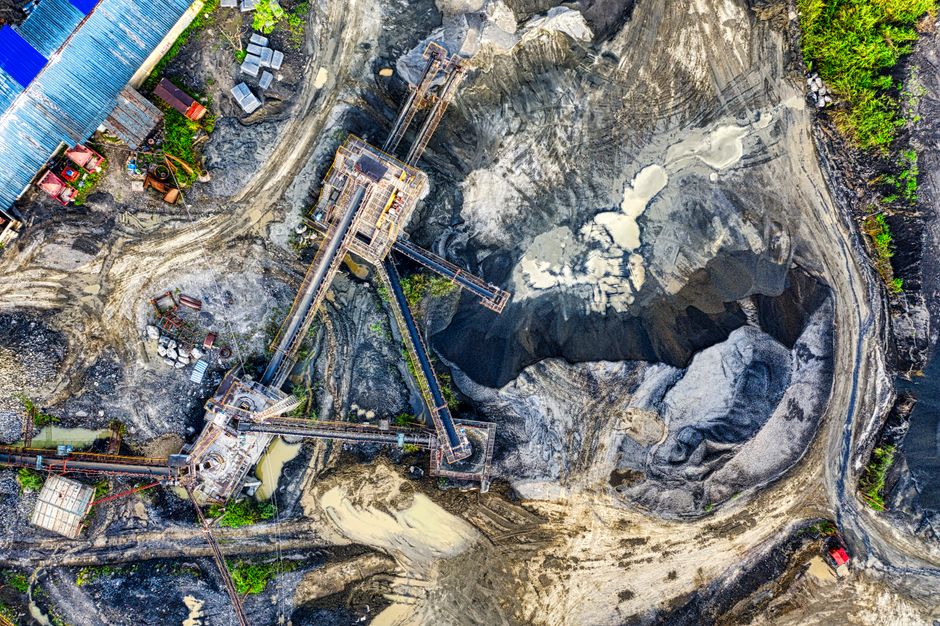
Researchers at Columbia University's engineering department have unveiled a transformative approach to lithium extraction that promises to dramatically reduce the environmental footprint of battery production for electric vehicles. The newly developed technique employs a temperature-sensitive solvent capable of drawing lithium directly from underground salt deposits, fundamentally departing from conventional extraction methods that have plagued the clean energy sector for decades. This breakthrough emerges at a critical juncture, as global demand for lithium continues to surge due to the accelerating transition toward electrified transportation and renewable energy storage systems worldwide. The innovation addresses a fundamental paradox in modern energy policy: the materials essential for achieving environmental sustainability have themselves become sources of significant ecological damage and resource depletion. The extraction of lithium has long represented one of clean energy's most troubling contradictions. Traditional evaporation-based methods dominate current industrial practice, requiring massive surface ponds where mineral-rich brines sit exposed to the sun for extended periods, sometimes spanning several years before lithium can be harvested. These sprawling operations consume enormous quantities of water in regions already facing serious scarcity challenges, particularly across South America's "lithium triangle" encompassing Chile, Argentina, and Bolivia.
The process degrades ecosystems, affects local water supplies for agricultural and domestic use, and generates considerable waste streams. As electric vehicle adoption accelerates globally and battery demand multiplies exponentially, the conventional approach has become increasingly untenable from both environmental and sustainability perspectives. The Columbia Engineering team's solution directly confronts these limitations by introducing a method that operates far more efficiently, requires significantly less time, and minimizes water consumption and environmental degradation. The new extraction technology functions through a sophisticated chemical mechanism involving temperature-responsive solvents that selectively bind to lithium ions within brines. When exposed to specific heat conditions, these solvents efficiently pull lithium from solution, while cooling reverses the process and releases the concentrated lithium for collection. Laboratory demonstrations have shown that the entire extraction cycle can be completed in hours rather than years, representing an acceleration of several orders of magnitude compared to traditional evaporation approaches. Critically, the method proves effective even with lower-grade lithium sources that conventional technologies find economically unviable to process, substantially expanding the geographic range of potentially harvestable deposits.
The Columbia team noted that their solvent-based approach generates minimal byproducts and requires a fraction of the freshwater consumed by evaporation ponds, addressing two of the most significant environmental concerns associated with contemporary lithium production. The scalability of the process remains within reach of industrial implementation, suggesting realistic pathways toward commercial deployment across major lithium-producing regions. The implications of this technological advancement ripple across multiple industries and policy domains. Battery manufacturers, automotive producers, and renewable energy companies have expressed considerable interest in adopting such methods, recognizing that sustainable sourcing increasingly influences consumer preferences, regulatory compliance, and corporate sustainability objectives. Environmental organizations and water rights advocates view the development as potentially transformative for regions dependent on lithium extraction, where local communities have frequently borne disproportionate costs of conventional mining practices. The breakthrough also carries geopolitical dimensions, as lithium supply chains have become strategically important to numerous nations pursuing energy independence and technological leadership in the electric vehicle sector. Industry analysts suggest that faster, cleaner extraction methods could reshape competitive dynamics within the lithium market, potentially reducing prices through improved efficiency while simultaneously enabling new market entrants from previously marginal resource regions.
Government agencies responsible for environmental protection and natural resource management have begun examining how such innovations might integrate with existing regulatory frameworks and licensing procedures for extraction operations. Expert commentary underscores the significance of developing extraction technologies that decouple battery production from severe environmental degradation. Hydrogeologists and environmental scientists emphasize that conventional evaporation methods represent unsustainable practices in water-scarce regions, creating long-term conflicts between energy transition goals and water security imperatives. Materials scientists highlight that the chemical sophistication of temperature-responsive solvents represents genuine scientific advancement rather than incremental improvement, potentially inspiring parallel innovations in extraction processes for other critical minerals essential to clean energy infrastructure. Energy policy specialists note that such technological breakthroughs become essential as global lithium demand projections intensify, with some analyses suggesting requirements could increase tenfold within the coming two decades based on projected electric vehicle adoption rates. However, researchers also caution that laboratory success does not automatically translate to seamless industrial-scale implementation, emphasizing that extensive testing, regulatory approval, and infrastructure development remain necessary prerequisites. The development nonetheless signals that technological solutions exist to address one of clean energy's most persistent environmental challenges, offering genuine hope for more sustainable pathways toward electrification and decarbonization goals.
Moving forward, several critical developments warrant close monitoring as this technology progresses toward potential commercialization. First, attention should focus on whether the Columbia team or commercial partners can successfully scale the extraction method to industrial production levels while maintaining the efficiency and environmental benefits demonstrated in laboratory conditions. Second, observers should track regulatory responses from major lithium-producing nations, particularly in South America and Australia, to determine whether governments will facilitate adoption of superior extraction technologies through revised licensing frameworks or investment incentives. Additional considerations include cost competitiveness compared to incumbent methods, timeline for obtaining necessary patents and intellectual property protections, and potential partnerships with established mining companies possessing existing infrastructure and operational expertise. The journey from laboratory innovation to widespread industrial adoption typically requires three to seven years, suggesting that meaningful commercial implementation could commence within this decade if development proceeds without major obstacles. Success in this instance carries implications extending far beyond lithium extraction itself, potentially establishing templates for applying similar technological principles to sourcing other critical minerals and demonstrating that environmental sustainability and industrial efficiency need not represent irreconcilable objectives.