
3D-printed lymph nodes could widen access to CAR T-cell therapy
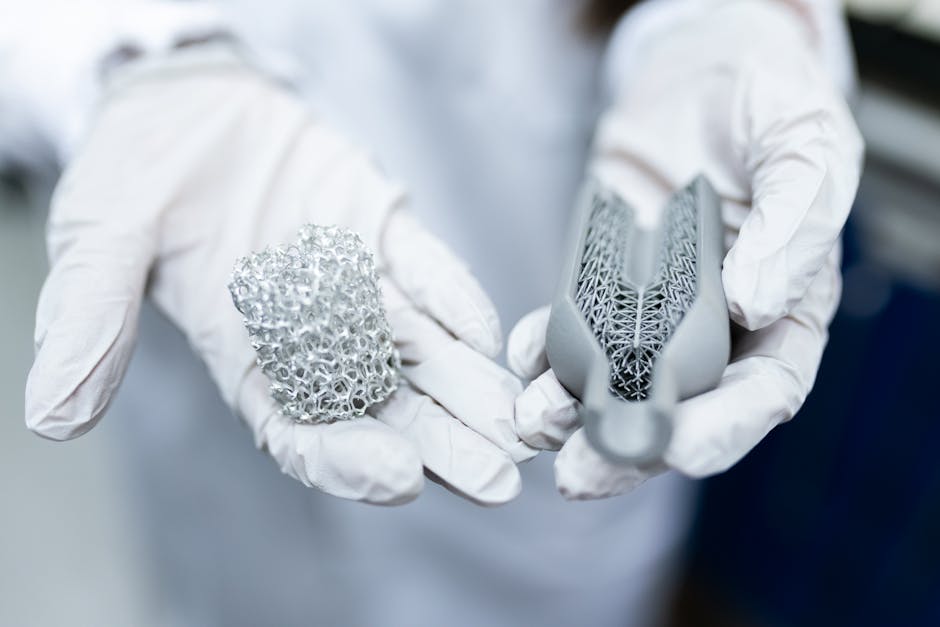
Scientists have developed an innovative approach to manufacturing CAR T-cell therapy using three-dimensional printing technology, a breakthrough that could fundamentally transform access to one of cancer medicine's most powerful weapons. The research, conducted by biomedical engineers and immunologists, demonstrates that artificial lymph nodes created through 3D printing can effectively train immune cells to target and destroy cancerous tumors. This advancement arrives at a critical moment, as conventional CAR T-cell production remains prohibitively expensive and logistically complex, limiting availability primarily to wealthy nations and affluent patients. The development represents a potential solution to one of modern oncology's most pressing challenges: democratizing access to treatments that have demonstrated remarkable efficacy in combating previously untreatable malignancies. The significance of this discovery lies in understanding why CAR T-cell therapy remains largely inaccessible despite its clinical success. Current manufacturing processes require sophisticated laboratory infrastructure, specialized personnel, and months-long production timelines for individual patients, resulting in treatment costs exceeding 300,000 pounds in many cases.
These economic barriers have created a stark divide in global cancer care, with patients in developing nations effectively barred from accessing treatments that have transformed outcomes for their counterparts in wealthy countries. Additionally, the biological complexity of engineering T cells to recognize tumor-associated antigens demands precision manufacturing that only a handful of facilities worldwide can currently provide. The 3D-printed lymph node technology addresses these constraints by offering a method that could potentially be standardized, scaled up, and distributed more widely, thereby establishing pathways to equitable global access. The research revealed that engineered lymph nodes produced through 3D printing can effectively educate immune cells in laboratory conditions, substantially replicating the biological processes that occur naturally within the human body. Scientists utilized biocompatible materials and incorporated specific molecular components that interact with T cells, creating environments where these immune cells become sensitized to tumor antigens. Initial results demonstrated that CAR T cells generated using this approach exhibited comparable efficacy to conventionally manufactured cells in targeting cancer cells in laboratory experiments.
Researchers emphasized that the printed structures can be customized to include various immunological factors, such as antigen-presenting proteins and activation molecules, tailored to specific cancer types. This flexibility suggests that the technology could potentially be adapted for multiple malignancies rather than requiring entirely separate manufacturing approaches for different diseases. The implications of this technological advancement extend far beyond laboratory settings, potentially reshaping cancer treatment delivery across the globe. Oncologists and healthcare policy experts have responded positively to the research, recognizing that manufacturing bottlenecks represent one of the primary obstacles preventing broader CAR T-cell deployment. If the technology can be successfully translated from experimental settings to clinical practice, production costs could potentially decrease by orders of magnitude, making treatment accessible to populations currently excluded from these innovations. Furthermore, the ability to produce lymph nodes at decentralized locations could eliminate the need for patients to travel internationally or remain in wealthy nations for extended periods during treatment manufacturing.
This distributed manufacturing capability addresses not only cost considerations but also significant logistical and psychological burdens that currently accompany CAR T-cell therapy for many patients worldwide. Industry observers and medical professionals underscore that this innovation arrives precisely when global cancer burdens continue escalating, particularly in lower and middle-income countries where treatment options remain severely constrained. The World Health Organization has identified inequitable access to advanced cancer therapies as a critical public health concern, and technological solutions like 3D-printed lymph nodes could prove instrumental in addressing this disparity. Immunotherapy experts note that while other approaches to improving CAR T-cell accessibility have been pursued, including off-the-shelf allogeneic cell products, the 3D-printing methodology offers distinct advantages in terms of customization and potential cost reduction. Investment in this technology could catalyze broader shifts toward precision medicine that benefits diverse populations rather than concentrating benefits among wealthy nations. The approach also aligns with growing momentum toward manufacturing independence in healthcare, reducing reliance on monopolistic suppliers and encouraging development of local therapeutic capacity across different regions.
The path forward requires monitoring two critical developments that will determine whether this laboratory success translates into widespread clinical reality. First, researchers and industry partners must demonstrate that 3D-printed lymph nodes can be successfully manufactured at scale without compromising quality, consistency, or efficacy, moving beyond small proof-of-concept experiments toward industrial-level production. Regulatory agencies in multiple countries will need to establish appropriate frameworks for approving and monitoring such manufactured immune cells, ensuring safety standards while not unnecessarily hindering innovation. Second, clinical trials must now establish whether CAR T cells produced through this method achieve comparable outcomes to conventional therapies in actual patient populations, particularly in diverse geographic and healthcare settings. Additionally, healthcare systems must develop implementation strategies addressing training requirements, infrastructure modifications, and reimbursement models that could support distributed manufacturing of printed lymph nodes. The success of these endeavors over the coming years will largely determine whether this innovation fulfills its promise as a transformative technology capable of fundamentally altering global cancer care equity or remains confined to high-income nations like current approaches.


