MSI's next-gen monitor can switch between three resolutions and refresh rates
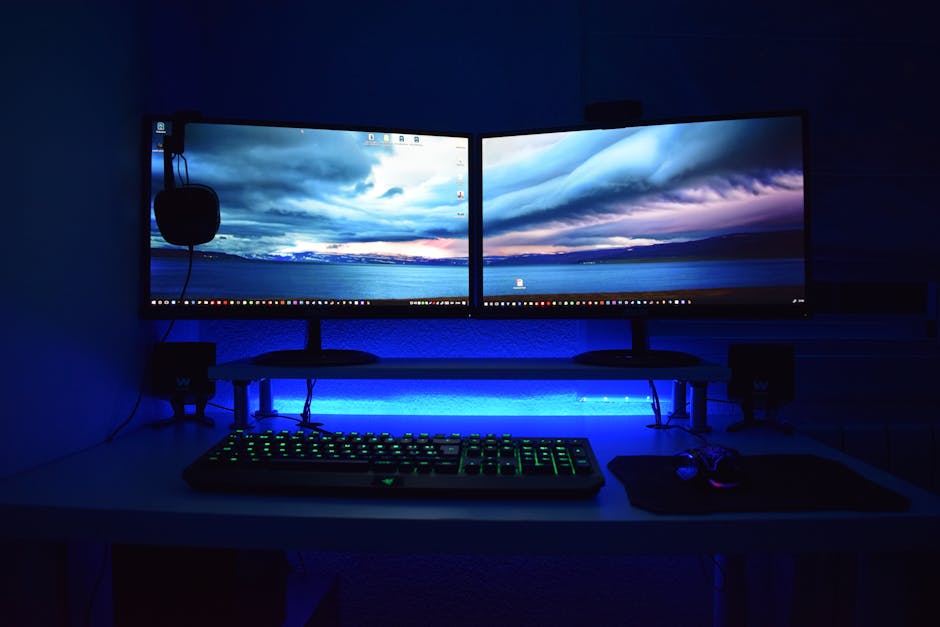
MSI has unveiled a next-generation gaming monitor that fundamentally challenges the conventional trade-off between visual fidelity and performance speed by introducing dynamic resolution and refresh rate switching capabilities. The device, currently in development at the Taiwanese hardware manufacturer, represents a technical evolution in display engineering that allows users to seamlessly transition between three distinct operating modes: a 4K resolution configuration optimized for graphically intensive titles, a mid-range setting balancing clarity with responsiveness, and a high refresh rate mode capable of reaching 680Hz for competitive esports applications. This innovation emerges from MSI's R&D operations during a period when the gaming peripherals market faces mounting pressure from consumers demanding hardware that can address fundamentally incompatible performance requirements without purchasing multiple monitors or accepting permanent compromises in gaming experience.
The development of this technology must be understood against a backdrop of nearly two decades of display engineering focused on singular performance metrics rather than adaptable systems. Since the early 2000s, the gaming monitor market has operated on rigid categorical divisions: high-resolution panels prioritized color accuracy and visual richness at the cost of refresh rates typically capped at 60Hz to 144Hz, while competitive gaming monitors emphasized refresh rates at 240Hz or higher by accepting 1080p limitations. This binary classification created persistent consumer frustration, particularly as modern gaming libraries became increasingly diverse in their technical demands. The timing of MSI's announcement reflects broader industry recognition that AI-assisted upscaling technologies, variable refresh rate protocols, and improved display panel manufacturing now enable manufacturers to engineer displays capable of accommodating multiple performance profiles within a single physical unit. For technology readers, this development signals that the next wave of gaming hardware innovation will prioritize flexibility and adaptive performance rather than pursuing incremental improvements within existing categories.
The monitor's technical specifications demonstrate genuine engineering achievement worthy of scrutiny beyond marketing hyperbole. The device can operate in a native 4K resolution mode, which MSI positions as suitable for visually demanding titles like Crimson Desert, a forthcoming action role-playing game from Smilegate that has become a benchmark example for next-generation console and PC graphics. The same hardware can switch to an extremely high refresh rate configuration reaching 680Hz specifically optimized for competitive esports titles like Counter-Strike 2, where the marginal improvements in frame delivery speed measurably enhance player responsiveness and competitive advantage. The existence of an intermediate configuration mode indicates that MSI has engineered a system architecture capable of managing variable panel technologies or intelligent scaling algorithms that preserve usability across distinctly different operational parameters. These specifications directly address the technical barrier that has historically prevented unified solutions: the fundamental incompatibility between delivering millions of pixels across a 4K frame buffer at sufficient speed while simultaneously achieving ultra-high refresh rates that demand rapid sequential frame production.
The practical implications for contemporary technology consumers extend beyond technical impressiveness into genuine workflow and lifestyle utility. Gaming has evolved from a homogeneous activity dominated by single-genre enthusiasts into an enormously diversified entertainment category where individual users routinely alternate between fundamentally different applications throughout daily sessions. A player might spend evening hours immersed in a visually stunning open-world experience demanding 4K resolution and sophisticated color reproduction, then transition to competitive multiplayer sessions where 680Hz refresh rates provide measurable advantages in millisecond-scale reaction times. Previously, this user faced three unsatisfactory options: purchasing and managing multiple monitors with associated cable management and desk space challenges, accepting permanent compromise by selecting a single monitor that excels in neither category, or enduring the friction of adjusting resolution and refresh rate settings through operating system menus. MSI's solution eliminates this friction by enabling instantaneous switching that can potentially be automated through game detection systems integrated with the monitor's display driver software. For consumers with limited physical space or budget constraints, this technical achievement translates into tangible improvement in accessible computing experiences.
The broader significance of this development extends well beyond MSI's specific product release, as it exemplifies a fundamental shift in how the technology industry conceptualizes hardware design for differentiated use cases. Rather than pursuing the traditional approach of manufacturing specialized devices for distinct market segments, increasingly sophisticated engineering enables single pieces of hardware to maintain multiple optimized configurations for different purposes. This pattern appears across the technology industry: modern flagship smartphones incorporate computational photography systems that fundamentally alter how images are captured and processed; automotive manufacturers employ software-defined vehicle architectures that transform hardware capabilities through firmware updates; data center operators deploy reconfigurable silicon that adapts functionality based on workload characteristics. The gaming monitor market's evolution toward adaptive performance modes suggests that manufacturers now recognize consumers increasingly reject categorical choices in favor of adaptive systems. This philosophical reorientation has substantial commercial implications, as it requires fundamentally different engineering approaches prioritizing flexibility and configurability over single-metric optimization. The success or failure of MSI's implementation will likely influence how competitors across multiple hardware categories design next-generation products.
The near-term technology landscape presents several developments worthy of sustained monitoring to assess whether MSI's vision represents genuine market transformation or a limited flagship feature. Industry observers should watch for competing announcements from established monitor manufacturers including ASUS ROG, Corsair, and BenQ within the next twelve to eighteen months, as these companies typically respond to category-defining innovations with their own interpretations. The technical maturation of this technology will substantially depend on how effectively display driver software from NVIDIA and AMD can implement automated detection and switching systems that eliminate manual configuration friction; demonstrations scheduled for Q2 2024 and beyond will reveal whether the experience matches engineering specifications. Additionally, the ultimate market impact hinges upon pricing architecture, as premium positioning could limit adoption to professional and elite competitive segments, while more accessible pricing could establish this as standard functionality in mainstream gaming monitors within three to four years. The successful implementation of this technology would represent a meaningful inflection point in how the gaming hardware industry engineers products around user diversity rather than categorical segmentation.