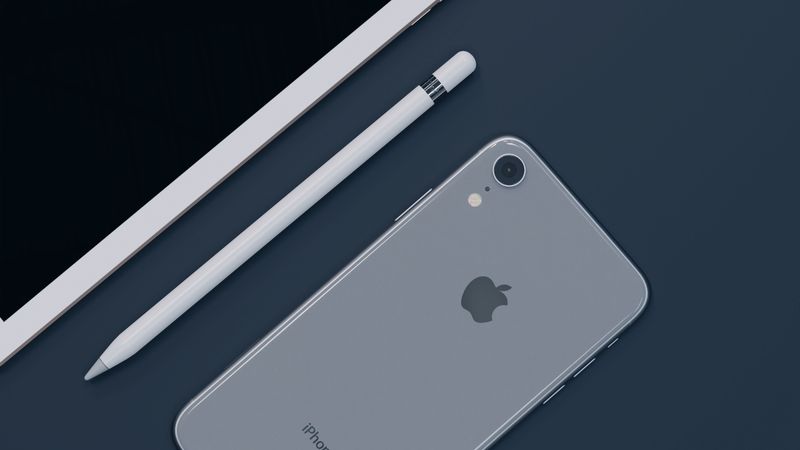
Kuo: Apple’s iPhone camera roadmap includes a costly upgrade

Apple's camera technology strategy has entered a critical inflection point, with supply chain analyst Ming-Chi Kuo identifying substantial hardware modifications and pricing pressures that will shape the company's smartphone competitive positioning through 2025 and beyond. The forthcoming iPhone lineup will incorporate meaningful revisions to its ultra-wide camera module, a component that has remained relatively stable in recent iterations, signalling Apple's determination to differentiate its imaging capabilities at a moment when competitors have aggressively advanced their computational photography offerings. This development arrives at a juncture when smartphone camera performance has become increasingly central to purchasing decisions, particularly in premium market segments where Apple maintains its strongest foothold and commands the highest profit margins. The significance of camera hardware refinement within Apple's product ecosystem cannot be overstated, given the historical trajectory of smartphone imaging evolution. Over the past decade, camera specifications have transformed from peripheral features into primary competitive battlegrounds, with manufacturers like Samsung, Google, and OnePlus investing substantially in optical engineering and sensor technology. Apple's characteristic approach has typically emphasised computational photography and software integration over raw megapixel counts, a philosophy that has served the company well in maintaining premium positioning despite competitors offering technically superior specifications on paper.
The timing of this ultra-wide module upgrade reflects mounting pressure to sustain Apple's claims of imaging leadership, particularly as computational photography techniques reach diminishing returns in their capacity to generate meaningful performance differentiation. The supply chain modifications Kuo has identified suggest that Apple recognises incremental software improvements alone cannot maintain the innovation narrative essential to justifying premium pricing in an increasingly saturated smartphone market. Kuo's analysis reveals two critical specifications regarding Apple's camera evolution strategy. The ultra-wide module will undergo internal architectural changes designed to enhance optical performance, though the analyst's assessment indicates these modifications will introduce substantial cost pressures into Apple's manufacturing operations. These hardware revisions represent a departure from Apple's recent approach of stabilising camera components while pursuing gains through algorithmic improvement, suggesting the company has determined that consumers and critics require visible hardware innovations to validate the premium price positioning that now characterises the flagship iPhone lineup. The cost implications of this hardware-centric strategy carry particular weight given Apple's historical obsession with gross margin protection and supply chain efficiency, indicating management's conviction that camera capabilities have become sufficiently central to brand perception that price absorption becomes necessary.
Shopping Deal Best Deals on Smartphones Ad For technology professionals and industry observers, these developments carry concrete implications for multiple stakeholder constituencies. Enterprise procurement managers evaluating smartphone refresh cycles must account for the probability that Apple will position these imaging enhancements as justifications for pricing that may exceed current flagship levels, potentially intensifying total-cost-of-ownership calculations for large-scale deployments. Developers working within Apple's ecosystem face opportunities to leverage enhanced camera hardware through new computational photography frameworks, but also confront pressure to deliver distinctive applications that justify the hardware investment in eyes of cost-conscious consumers. Photography enthusiasts and content creators utilising iPhones as primary imaging tools will scrutinise whether the hardware modifications deliver measurable improvements in real-world shooting conditions, particularly in challenging lighting environments where smartphone computational photography typically encounters its greatest limitations. The supply chain cost increases Kuo identifies may also signal that consumers should anticipate cascading price adjustments across the entire iPhone portfolio, not merely flagship models, as Apple distributes its hardware investment across production volumes. Kuo's observations illuminate a broader industry pattern wherein the smartphone market's maturation is forcing manufacturers to pursue increasingly granular hardware refinements to sustain innovation narratives that justify premium pricing.
The ultra-wide camera module, historically a secondary component in smartphone imaging hierarchies, becoming a focus of engineering investment reflects how comprehensively competitive differentiation has fragmented across component categories. No single technological breakthrough offers sufficient advantage to generate meaningful market separation, compelling manufacturers to accumulate marginal improvements across dozens of subsystems. Apple's willingness to absorb supply chain cost increases for camera hardware suggests that management perceives imaging capabilities as essential to defending premium positioning against competitors who have achieved technical parity in most other respects. This pattern extends beyond Apple itself, manifesting across the premium smartphone ecosystem where each manufacturer races to claim incremental imaging superiority through specialized sensors, novel optical arrangements, and computational photography techniques that few consumers can meaningfully distinguish in practical usage. Industry observers should monitor Apple's communications strategy surrounding the next-generation iPhone announcement, where management's characterisation of camera improvements and their corresponding pricing justifications will signal whether the company views these modifications as genuinely transformative or rather as necessary investments to maintain competitive parity. The specific technical nature of the ultra-wide module revisions will demand careful technical analysis upon the official product launch, scheduled for expected announcement in September 2024, to determine whether the hardware changes justify the supply chain cost increases Kuo has identified.
Supply chain tracking during subsequent quarters will reveal whether Apple's manufacturing partners successfully absorb production complexities without cascading delays, a critical variable given the company's obsession with launch timing precision. Additionally, competitive responses from Samsung and Google throughout 2024 and 2025 will establish whether Apple's camera hardware investments generate sufficient differentiation to justify premium pricing or whether competitors rapidly replicate the technical advances, returning the market to parity and forcing Apple to pursue yet another round of component refinement to sustain positioning.