Kiwibit’s AI-powered bird feeder is my new backyard buddy
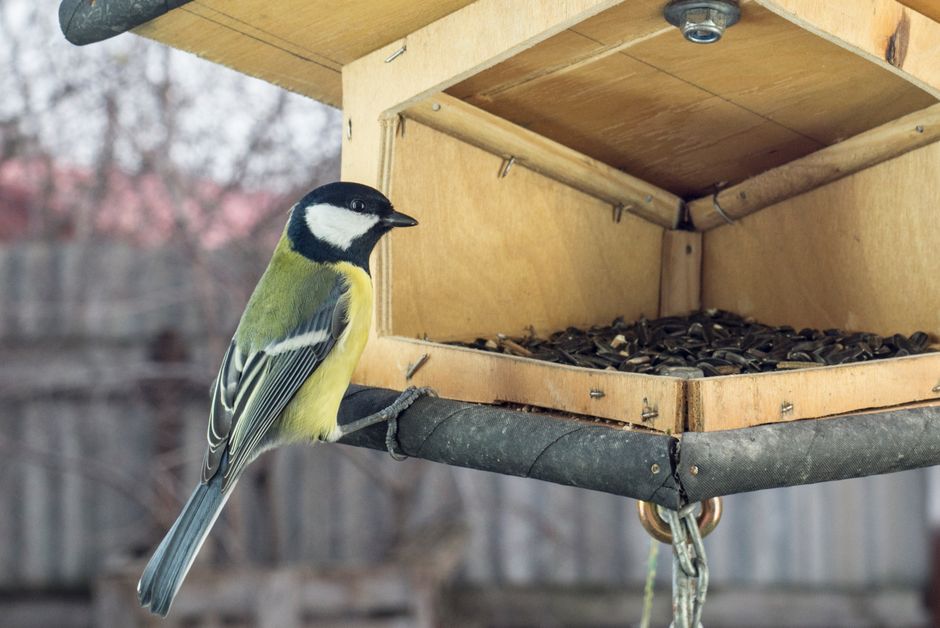
Kiwibit, a startup based in New Zealand, has launched an artificially intelligent bird feeder designed to automatically identify visiting bird species and log them within a gamified mobile application. The device represents a convergence of internet-connected hardware, machine learning capabilities, and consumer engagement mechanics that transforms backyard bird observation from a passive hobby into an interactive digital experience. This intelligent feeder emerged during a period of accelerating consumer technology adoption in home automation and nature-connected applications, positioning itself at the intersection of environmental awareness and recreational gaming interfaces that have gained substantial traction among households seeking novel ways to engage with their surrounding ecosystems. The development of smart bird feeders reflects broader industry trends toward connected home devices and the rising consumer appetite for technology solutions that blend outdoor observation with digital interaction. Over the past five years, the market for smart home devices has expanded dramatically, with consumers increasingly willing to integrate sensors and connectivity into spaces traditionally reserved for purely mechanical or analog tools. Bird watching itself has experienced a documented renaissance, particularly among younger demographics who were previously underrepresented in this hobby.
Kiwibit's approach taps into this demographic shift by removing barriers to bird species identification—a task that historically required specialized knowledge or reference materials—and repackaging it as an achievement-based game. This timing proves critical as companies across multiple sectors recognize that gamification principles can drive sustained user engagement and data collection simultaneously, creating value for both users and developers. The Kiwibit feeder incorporates onboard computer vision capabilities that process real-time imagery of birds visiting the device, with the system trained to recognize and classify species automatically. Rather than requiring users to manually photograph and identify birds, the feeder handles identification without human intervention, transmitting data to a companion application that tracks species encounters and organizes them within a collectible framework analogous to popular augmented reality gaming experiences. The application structure mirrors achievement systems found in mainstream gaming platforms, allowing users to accumulate species records, track local and regional bird populations, and potentially compare observations with other participants within their geographic areas. This technical architecture addresses a longstanding friction point in wildlife observation: the expertise barrier that prevented casual participants from accurately identifying species in real time.
For technology consumers and households invested in connected home ecosystems, Kiwibit's offering delivers concrete functional advantages that extend beyond novelty appeal. Users gain access to reliable species identification without requiring field guide expertise, creating an accessible entry point to ornithological observation that accommodates households with varying levels of prior bird knowledge. The data collection mechanism generates real-world value through crowdsourced biodiversity monitoring, where individual feeder data contributes to broader understanding of regional bird population patterns and seasonal migration trends. Practically speaking, this transforms a static outdoor device into a dynamic information source that rewards observation and generates persistent engagement over extended periods. Homeowners already operating connected device ecosystems benefit from integrating another purpose-built tool that delivers measurable feedback rather than simply consuming battery power and network bandwidth. This development illuminates an emerging category within consumer technology where machine learning capabilities are embedded into specialized hardware serving narrow use cases, yet operating within broader ecosystems designed for sustained engagement.
The pattern reflects industry recognition that artificial intelligence delivers maximum consumer value when applied to specific observation or monitoring tasks where humans previously relied on expertise, reference materials, or manual data entry. Similar implementations have emerged across gardening applications, home security platforms, and wildlife monitoring, each combining sensors with algorithmic analysis to reduce friction while generating behavioral data that feeds into gamified or social features. Kiwibit represents a particularly clear example because it addresses a noncontroversial domain—casual bird observation—where data collection carries minimal privacy concerns and creates measurable outcomes. This approach sidesteps the contentious debates surrounding consumer AI surveillance while establishing technical and engagement frameworks that companies may eventually apply to domains with greater social or regulatory complexity. Technology observers should monitor several developments in this space that will determine whether Kiwibit's model represents a durable product category or a specialized niche offering. The expansion trajectory of Kiwibit's user base and the geographic coverage of its species identification models will indicate whether the company can scale beyond early adopter communities into mainstream household adoption.
Additionally, the eventual accuracy metrics and performance benchmarks that Kiwibit publishes regarding species identification will become critical indicators of whether its machine learning implementation reaches parity with expert-level identification or remains a novelty feature prone to misclassification. Readers should watch for announcements regarding data partnerships with academic institutions or conservation organizations, as such collaborations would signal whether Kiwibit's crowdsourced data generates tangible scientific or environmental value beyond the entertainment function. The regulatory environment surrounding data collection from smart home devices may also shift within the next eighteen to twenty-four months, potentially affecting how companies like Kiwibit handle user information and imagery captured by their feeders. Finally, competitive responses from established smart home manufacturers—whether Amazon, Google, or specialized wildlife technology companies—will demonstrate whether this category attracts serious institutional investment or remains confined to independent developers serving enthusiast markets.