iOS 27 and iPadOS 27 don't drop support for any iPhones—and just a few iPads

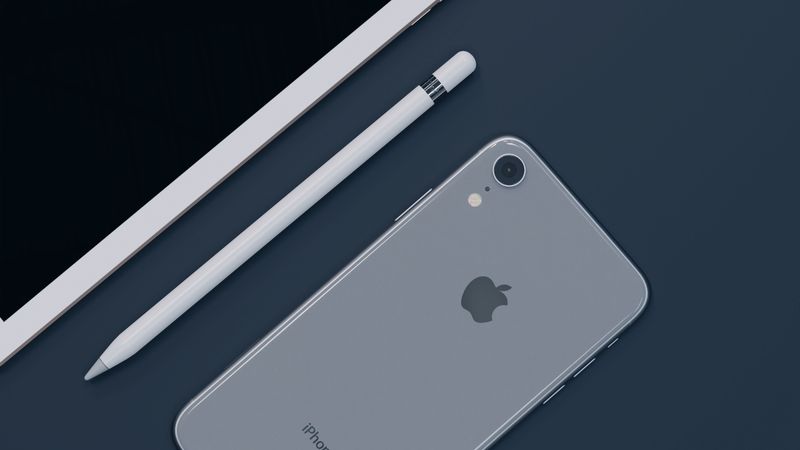
Apple's decision to maintain backward compatibility with iPhone hardware dating back to the iPhone 11 in its forthcoming iOS 27 release represents a significant departure from the company's increasingly aggressive deprecation practices of recent years. The Cupertino technology giant announced in its latest developer documentation that iOS 27 will support every iPhone model capable of running iOS 26, extending compatibility to devices released as far back as 2019. This policy extends to the second-generation iPhone SE, positioning Apple as notably more conservative in its support lifecycle than competitors such as Google and Samsung, which typically limit major OS updates to devices released within the preceding five to six years. Simultaneously, iPadOS 27 demonstrates a more selective approach, discontinuing support for three specific tablet models: the third-generation iPad Air, the eighth-generation iPad, and the fifth-generation iPad mini. The granularity of this decision—supporting some iPad Air and mini generations whilst dropping others—suggests Apple's engineering teams have implemented precise hardware capability thresholds rather than applying uniform cutoff dates across product lines.
The historical context of this announcement proves particularly instructive for understanding Apple's strategic positioning in an increasingly competitive mobile operating system landscape. Previous iOS releases, particularly iOS 13 through iOS 26, established a pattern wherein Apple dropped support for one to three iPhone generations per update cycle, systematically narrowing the installed base of supported devices. This approach contrasted sharply with Apple's messaging around device longevity and environmental sustainability, themes the company has emphasized consistently throughout the past three years of corporate communications and sustainability reports. The 2024 technology market has witnessed intensifying competition from both Google's Android ecosystem and concerns among consumers regarding electronic waste and device lifecycles. Apple's apparent recalibration toward broader compatibility for iPhone users, whilst selectively pruning iPad support, suggests the company recognizes iPhone sales velocity concerns and the competitive necessity of retaining users of two to five year-old devices. The timing of this announcement becomes particularly relevant as Apple Intelligence—the company's proprietary artificial intelligence implementation—remains confined to premium-tier devices, potentially motivating the company to maintain goodwill among users of older, non-AI-capable hardware who might otherwise feel abandoned or pressured toward premature upgrades.
The technical specifications underlying Apple's compatibility decisions reveal precise engineering boundaries rather than arbitrary deprecation cycles. The three iPad models losing iPadOS 27 support—iPad Air 3, iPad 8, and iPad mini 5—all utilize the A12 Bionic processor, whereas supported iPad devices employ A13 Bionic chips or newer generation silicon. This processor-level distinction indicates Apple determined that A12-equipped tablets cannot accommodate the full feature set and performance characteristics required for iPadOS 27, yet the same architectural limitations do not apply to iPhone 11 models, which technically share the same A13 Bionic processor as the oldest supported iPhone hardware. Conversely, Apple's documentation indicates that performance enhancements in iOS 27 derive significantly from an updated CPU scheduler that was previously exclusive to newer iPhone models but has been retrofitted for older devices with the current release. This scheduler modification suggests Apple's engineering organization has successfully abstracted certain performance optimization techniques previously dependent on newer processor architectures, enabling broader device support. The distinction between iPhone and iPad support criteria—processor generation for iPads versus universal support for iPhones—underscores that Apple's decisions reflect pragmatic engineering constraints rather than deliberate market segmentation or artificial obsolescence strategies.
For technology professionals evaluating deployment considerations and enterprise device management strategies, this compatibility landscape carries substantial practical implications. Organizations with mixed-generation iPhone estates spanning the iPhone 11 through iPhone 16 now face considerably simpler update planning timelines, knowing that iOS 27 deployment can encompass virtually their entire iPhone inventory without requiring hardware replacements or selective device exclusions. This contrasts markedly with competitive Android ecosystem management, where device fragmentation and inconsistent manufacturer support timelines create substantially more complex deployment matrices. The absence of compelling new features for non-AI-capable devices—a critical constraint given Apple Intelligence's hardware requirements—means enterprise users with iPhone 11, iPhone 12, or iPhone 13 hardware cannot justify upgrade arguments based on OS-level improvements alone. Consequently, businesses can defer capital expenditures on new iPhone purchasing while maintaining current security patch levels and baseline functionality. For individual consumers, this policy adjustment reduces the psychological pressure to upgrade devices purely for operating system currency, potentially extending replacement cycles by six to eighteen months depending on user computing needs and feature requirements. However, the strategic confinement of Apple Intelligence to iPhone 15 Pro and newer models—combined with iOS 27's lack of transformative features for non-AI hardware—creates a subtle but persistent incentive structure encouraging premium-tier device purchases among users seeking Apple's latest computational capabilities.
This compatibility decision illuminates broader patterns within the technology industry regarding device longevity, planned obsolescence debates, and the role of artificial intelligence as a feature tier separator. Apple's bifurcated approach—maintaining comprehensive iPhone support whilst selectively pruning iPad compatibility—suggests the company weighs iPhone market share preservation as strategically more critical than iPad revenue optimization. The introduction of Apple Intelligence as an explicit capability ceiling, requiring minimum hardware specifications (8GB RAM, specific processor families) across iPhone and iPad lineups, establishes a clear demarcation between full-featured modern computing and legacy device support. This strategy mirrors Microsoft's approach to Windows Copilot and Google's implementation of Gemini features on Android, wherein artificial intelligence functionality becomes the primary justification for premium hardware purchases and device upgrade cycles. The broader technology landscape reveals an industry-wide transition wherein software-defined differentiation increasingly centers on AI capabilities rather than incremental performance improvements or novel interface paradigms. Apple's iOS 27 compatibility decisions thus reflect not merely engineering constraints but calculated positioning within the artificial intelligence-driven device economics now dominating mobile computing. The company simultaneously appears responsive to environmental and consumer advocacy pressures regarding electronic waste whilst strategically concentrating transformative computational features on newest hardware, creating a segmented market wherein older devices remain functional yet increasingly feature-limited.
Enterprise technology planners and individual consumers should monitor several forthcoming developments to understand how this compatibility framework evolves through 2025 and beyond. Apple typically releases detailed developer documentation sixty to ninety days prior to public OS availability, meaning specific feature specifications for iOS 27 will crystallize between late July and August 2024, at which point observers can assess whether any unadvertised functionality leverages the new CPU scheduler to provide meaningful benefits for iPhone 11 and iPhone 12 users. Simultaneously, the December 2024 iPad release cycle will prove instructive regarding whether Apple maintains or expands iPadOS 27 compatibility for existing iPad Air and mini product lines, with particular attention to whether sixth-generation iPad mini models announced in anticipated October 2024 event receive automatic support. Samsung's expected Galaxy S25 announcement in January 2025, coupled with Google's corresponding Android 16 specifications, will provide direct competitive comparison points for device support breadth and the strategic implications of competing manufacturers' AI implementation choices. Organizations evaluating long-term device management strategies should schedule detailed iOS 27 and iPadOS 27 compatibility assessments for August 2024, immediately following Apple's official release candidate availability, to determine whether performance enhancements justify deployment timelines or whether organizations can defer rollouts pending Apple Intelligence feature maturation on supported hardware.