Fletcher chosen to replace Gilmour in Scotland squad
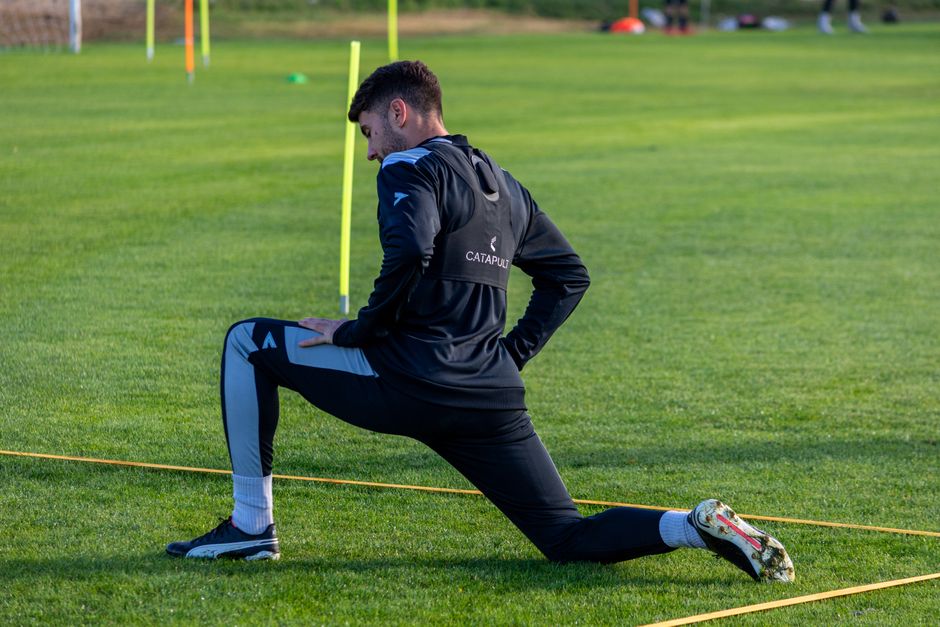
Manchester United's Tyler Fletcher has received an unexpected call into Scotland's World Cup qualification squad as a direct replacement for Billy Gilmour, who has sustained an injury that has forced him from contention for the upcoming international fixtures. The 20-year-old midfielder from the English Premier League club will now join the Scottish national team setup for matches that form part of their pursuit of qualification for the 2026 FIFA World Cup in North America. This development represents a significant opportunity for the young English-born talent, who qualifies to represent Scotland through heritage connections. The timing of Fletcher's inclusion underscores both the unpredictability of international football scheduling and the depth of technical talent available to Scotland's management structure when circumstances demand rapid squad adjustment. Fletcher's elevation from club duties to national team representation marks a pivotal moment in his emerging career, as he transitions from Manchester United's development pathway into competitive international football at the senior level.
Scotland's approach to squad management in World Cup qualification campaigns reflects broader patterns observed across modern international football, where injuries to key personnel necessitate swift strategic responses from national team coaches. Billy Gilmour's absence from the squad creates a tactical gap that must be filled by alternative midfield options, requiring Scotland's coaching staff to identify players capable of meeting the technical and physical demands of competitive international fixtures. The injury to Gilmour, a player with established experience in Scottish national team operations, amplifies the importance of maintaining squad depth across multiple positions. This situation illustrates the ongoing challenge facing smaller footballing nations in maintaining competitive squads while managing the injury burdens inherent in modern professional football schedules. Fletcher's selection demonstrates Scotland's confidence in developing younger talent within its player pool, reflecting a strategic commitment to building sustainable long-term squad options rather than relying solely upon established international performers.
The substitution of Fletcher for Gilmour addresses a specific void within Scotland's midfield composition for the upcoming World Cup qualification matches. Manchester United's academy structure has produced Fletcher as a prospect deemed sufficiently developed to warrant selection at the senior international level, indicating the club's youth development framework continues generating talent suitable for competitive international football. The Scotland national team coaching staff identified Fletcher among available options, suggesting his technical abilities and footballing maturity meet the required standards for World Cup qualification competition. Fletcher's position within Manchester United's squad structure—competing at a club that regularly participates in elite European competition—provides him with exposure to high-calibre opponents and tactical environments that accelerate development for promising midfield talents. The decision to integrate him into Scotland's World Cup qualification planning represents a deliberate choice to invest in continuity across the squad's midfield operations while adapting to the unavoidable disruption caused by Gilmour's injury absence.
For Scottish football enthusiasts monitoring national team development, Fletcher's inclusion carries immediate significance regarding the practical quality of performance during World Cup qualification matches that carry direct bearing upon Scotland's ultimate tournament prospects. The midfielder's absence from regular first-team appearances at Manchester United introduces variables concerning his match readiness and integration timelines within the Scottish tactical framework, factors that could influence performance outcomes in matches where qualification points remain at stake. Fletcher's relative inexperience at international senior level contrasts with Gilmour's established presence, creating adjustment periods for both the player and coaching staff as they work toward synchronisation during competitive fixtures. The practical impact extends to tactical flexibility, as Fletcher may require different deployment strategies compared to Gilmour, necessitating either adjusted formation approaches or modified tactical instructions from Scotland's management structure. These concrete considerations around player integration and match preparation directly influence Scotland's capacity to accumulate qualification points during this fixture window, making Fletcher's performance metrics and adaptation rate matters of genuine consequence for supporters evaluating their national team's World Cup qualification trajectory.
Fletcher's selection into Scotland's squad represents part of a wider international football trend wherein younger players from English-based clubs receive opportunities within competitive senior national team environments, despite the technical and historical complexities surrounding eligibility and player development pathways. This pattern reflects evolving approaches across football governing bodies regarding player development, whereby clubs invest substantially in youth structures while national associations increasingly rely upon club-developed talent for competitive international representation. The decision signals Scotland's broader strategic positioning within player development frameworks, demonstrating willingness to integrate emerging talents into senior competition when circumstances create opportunity. Fletcher's case illustrates how injuries, though disruptive, occasionally accelerate the competitive introduction of younger players who might otherwise require extended developmental periods before gaining senior international exposure. This dynamic reflects fundamental realities of modern football management, where depth across player pools, strategic flexibility, and openness to emerging talent determine competitive success across qualification campaigns and tournament preparation cycles.
The upcoming World Cup qualification fixtures featuring Fletcher will provide measurable data regarding his adaptation capacity and suitability for sustained senior international involvement, with specific matches scheduled across the international fixture calendar offering assessment opportunities for Scotland's coaching staff. Observers should monitor Fletcher's minutes allocation during these qualification matches, as playing time patterns will indicate coaching staff confidence levels and strategic positioning of the midfielder within squad hierarchy. Manchester United's response to Fletcher's international commitment will merit attention, particularly regarding his continued development pathway at club level following international duties that may impact training availability and fixture scheduling at Old Trafford. Scotland's World Cup qualification outcome across the fixture window containing Fletcher's involvement will provide ultimate performance context, as match results and tactical execution under pressure reveal whether the midfielder's integration proceeded smoothly despite relative inexperience at this competitive level. The broader narrative arc extending from Fletcher's selection through Scotland's subsequent qualification matches will demonstrate whether this substitution represents merely short-term squad adjustment or signals the emergence of a player destined for extended senior international representation across multiple qualification campaigns and potential future tournament participation.