As ACs run nonstop in 45°C heat, are Delhi homes facing a growing fire hazard?
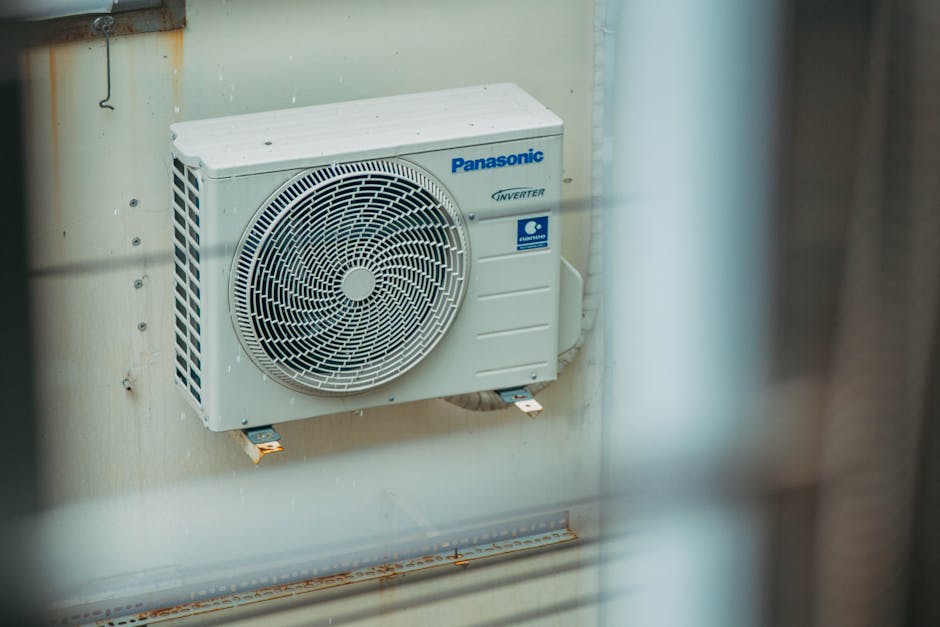
Delhi-National Capital Region households currently face an escalating fire hazard as temperatures soar beyond 45 degrees Celsius, compelling air conditioning systems to operate continuously throughout extended heat waves. The phenomenon reflects not merely a seasonal discomfort but rather a genuine infrastructure crisis, where the relentless demand for cooling has transformed ordinary household appliances into potential sources of domestic disaster. Recent fatal incidents stemming from air conditioning unit malfunctions have emerged as a pressing safety concern across residential neighbourhoods, drawing urgent attention from fire safety officials and urban planners who recognize the compounding risks that accompany India's intensifying climate patterns.
The underlying vulnerability of Delhi's housing infrastructure has deep historical roots, stemming from rapid urbanization that frequently prioritized speed of construction over electrical safety standards. The National Capital Territory has experienced explosive residential growth over the past two decades, with millions of informal settlements and hastily constructed residential complexes expanding without adequate electrical infrastructure planning. This expansion occurred during periods when cooling demands were less severe, meaning that the electrical systems designed into these buildings never anticipated the strain of simultaneous, continuous air conditioning operation across entire households and apartment complexes. Contemporary climate patterns, however, have fundamentally altered the usage patterns of these aging systems, pushing them far beyond their original capacity parameters and exposing critical weaknesses in wiring, circuit breakers, and distribution panels that were never engineered for such sustained load demands.
Fire officials across Delhi-NCR have documented a demonstrable uptick in AC-related fire incidents directly correlating with the extended heat waves of recent years. The primary culprits identified by fire safety experts include faulty wiring that deteriorates under constant stress, overloaded circuits where multiple high-amperage appliances draw power simultaneously, and deferred maintenance practices where households neglect regular inspection and servicing of their cooling systems. Early warning indicators frequently precede catastrophic failures—burning smells emanating from AC units, visible sparks during startup cycles, and lights that flicker rhythmically when the compressor engages represent critical signals that the electrical infrastructure has begun to fail under sustained operational stress. These manifestations, rather than being treated as urgent warnings demanding immediate professional intervention, are often dismissed by residents as temporary inconveniences, allowing dangerous deterioration to progress unchecked until an electrical arc or component failure ignites surrounding materials.
For Delhi residents, the practical implications of this hazard extend far beyond abstract safety statistics. Families living in apartment complexes with shared electrical infrastructure face particular vulnerability, as an overloaded circuit serving one unit can compromise the safety of neighbouring properties. The economic dimension compounds the problem substantially—engaging qualified electricians for preventative system audits and maintenance represents an expense that middle and lower-income households frequently defer, particularly during periods of economic strain. Renters occupy an especially precarious position, lacking direct control over electrical infrastructure maintenance while remaining exposed to whatever hazardous conditions their landlords have permitted to accumulate. The consequence transforms the fundamental shelter function of housing from protective to potentially perilous, where residents must maintain constant vigilance against system failures that their circumstances may prevent them from addressing proactively.
This escalating fire hazard emblematizes a broader infrastructure-climate mismatch that increasingly characterizes major Indian cities. Delhi's electrical distribution system, designed and constructed to serve a city under very different climatic conditions, now confronts demands that strain it beyond safe operating parameters. The phenomenon extends beyond individual household systems to municipal infrastructure as well, where power distribution networks experience record demand spikes as cooling loads concentrate during peak heat hours. This pattern signals a fundamental misalignment between India's urban infrastructure inheritance and the new climate reality that contemporary Indian cities must navigate. The problem manifests not as a singular technical failure but rather as a systemic inadequacy, where incremental infrastructure capacity designed for historical usage patterns proves catastrophically insufficient when climatic conditions shift toward sustained extremes that demand continuous operation of energy-intensive systems.
Urban authorities and fire safety organisations must establish concrete monitoring and intervention mechanisms in the coming months. The Delhi Fire Service requires substantial resources to conduct systematic electrical safety audits across residential neighbourhoods, particularly in older housing stock, before the next extended heat wave emerges. Simultaneously, the Electrical Regulatory Commission of Delhi should mandate that apartment complexes and residential societies implement annual electrical safety certifications, requiring professional documentation that systems remain capable of safely handling sustained loads. Residents themselves require accessible information campaigns explaining that burning smells or flickering lights warrant immediate professional electrical assessment rather than normalisation. The window for preventing catastrophic failures this year remains open but narrowing rapidly, making the next sixty days critical for establishing safety protocols that could prevent devastating fires during peak summer temperatures anticipated through early June.