
Arsenal Thobe for Eid? Zohran Mamdani goes viral in bold football-themed outfit at Eid al-Adha celebration
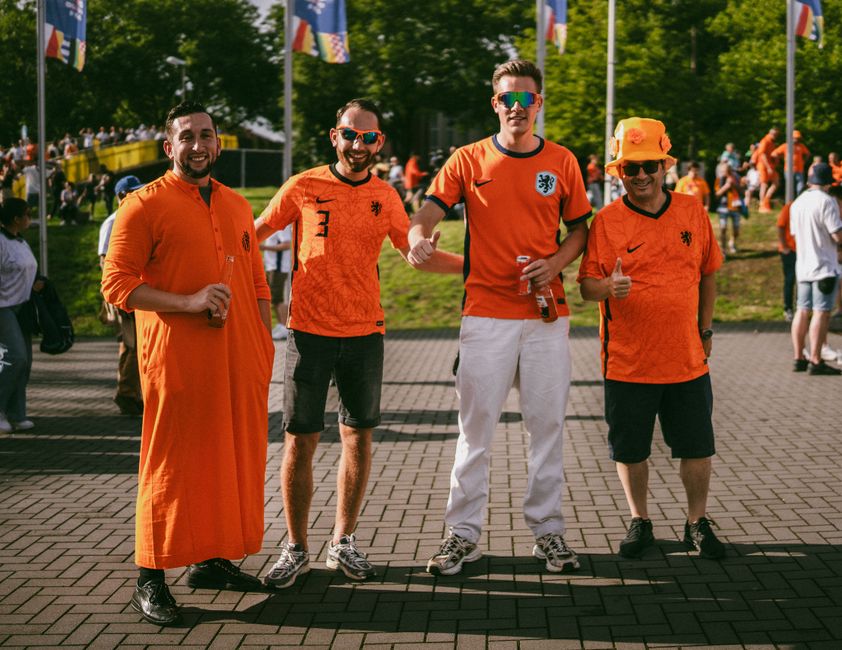
A politician's unconventional fashion choice at a major religious celebration has sparked widespread online discussion, with one elected official wearing a football-themed traditional garment at an Eid al-Adha gathering. Zohran Mamdani, a member of parliament representing a diverse urban constituency, attended the festive occasion in a custom thobe that incorporated Arsenal Football Club imagery, creating a striking blend of religious observance and sporting culture. The appearance took place during celebrations of Eid al-Adha, one of the most significant festivals in the Islamic calendar, which commemorates the willingness of Ibrahim to sacrifice his son in obedience to God. The outfit quickly became the subject of considerable conversation across social media platforms, with thousands of individuals sharing images and commentary about the bold sartorial statement. The emergence of this story reflects broader societal conversations about identity, cultural expression, and the ways in which modern individuals navigate multiple aspects of their heritage and interests. Eid al-Adha holds profound religious significance for Muslims worldwide, typically observed with prayers, family gatherings, and the tradition of animal sacrifice followed by communal feasting. In contemporary multicultural societies, particularly in urban centers with substantial Muslim populations, the festival represents not only a moment of spiritual reflection but also a celebration of cultural identity within increasingly diverse communities.
The festival provides an opportunity for religious communities to display their traditions prominently while also serving as a moment for interfaith understanding and broader social cohesion. Mamdani's decision to incorporate football imagery into his traditional attire speaks to the complex reality of modern identity formation, where individuals often exist at the intersection of multiple cultural, religious, and personal interests simultaneously. The specific choice to feature Arsenal imagery in the thobe design demonstrates how contemporary fashion has become a vehicle for expressing layered identities and personal passions. Arsenal Football Club maintains a substantial following across multiple continents, and the choice carries particular resonance in regions with significant South Asian and Middle Eastern populations. The custom garment itself represents professional tailoring that respectfully maintains the traditional form of a thobe while introducing the recognizable red and white colors associated with the football club. Images circulating online show Mamdani wearing the outfit with apparent confidence at the celebration, surrounded by community members in various traditional and contemporary attire. The reaction across digital platforms has been decidedly mixed, with some observers praising the creative fusion of cultural elements and others expressing skepticism about the appropriateness of incorporating sporting branding into religious ceremonial dress.
This division of opinion highlights fundamental questions about cultural authenticity, personal expression, and the boundaries between different domains of social life. Fashion scholars and cultural commentators have offered diverse perspectives on what this moment reveals about contemporary identity expression in multicultural societies. Some analysts suggest that such fusion represents an authentic expression of modern identity, particularly among individuals from immigrant or minority backgrounds who naturally integrate multiple aspects of their heritage, religion, and personal interests. The proliferation of customized and personalized religious attire has become increasingly common in recent years, with tailors creating garments that reflect both traditional Islamic dress codes and individual personality traits. Others have raised questions about whether incorporating commercial branding into religious ceremonial clothing risks trivializing sacred traditions or shifting the focus inappropriately toward consumerism during moments of spiritual significance. Cultural experts have pointed out that the response to Mamdani's outfit reflects broader societal debates about belonging, particularly for individuals from Muslim communities who must constantly negotiate their position within majority-culture societies while maintaining their religious and cultural identities. The viral nature of the story indicates that questions of cultural representation and authenticity continue to resonate powerfully in contemporary public discourse.
The incident also underscores the significant role that public figures play in shaping conversations about cultural expression and identity representation. Mamdani, as an elected representative, carries particular visibility and influence within his constituency and beyond, meaning that his fashion choices attract scrutiny that might not apply to private citizens. The decision to wear such a distinctive outfit at a high-profile religious gathering suggests either intentional messaging about the compatibility of multiple identity elements or a personal aesthetic choice made without primary consideration of its broader cultural implications. Regardless of intent, the response demonstrates how quickly fashion choices by public figures become vectors for broader discussions about culture, belonging, and the nature of modern identity. The story has prompted many observers to reflect on their own multiple identities and how they navigate expressing different aspects of themselves in various social contexts. For younger community members, particularly those from mixed cultural backgrounds, such visible expressions of layered identity may carry particular resonance, either inspiring similar choices or prompting reflection on authenticity and cultural representation. Moving forward, several developments warrant close monitoring as this conversation continues to evolve.
First, observers should track whether this moment inspires broader trends in customized religious attire that blend traditional dress with personal interests and branded elements, or whether it remains an isolated incident that generates discussion without catalyzing significant fashion shifts. Second, the political and cultural reactions from Mamdani's constituency and from broader Muslim community organizations will indicate whether this is perceived as an important statement about modern identity or as a temporary viral moment lacking lasting significance. Additional attention should focus on how traditional tailors and designers respond to demand for similar fusion pieces, and whether established fashion houses begin incorporating similar concepts into their collections. The longer-term impact of this moment will depend largely on whether it opens meaningful conversations about authenticity and cultural expression or whether it becomes simply another fleeting social media phenomenon. Understanding this distinction will reveal important insights about how contemporary societies engage with questions of identity, tradition, and the performance of cultural belonging in the digital age.


