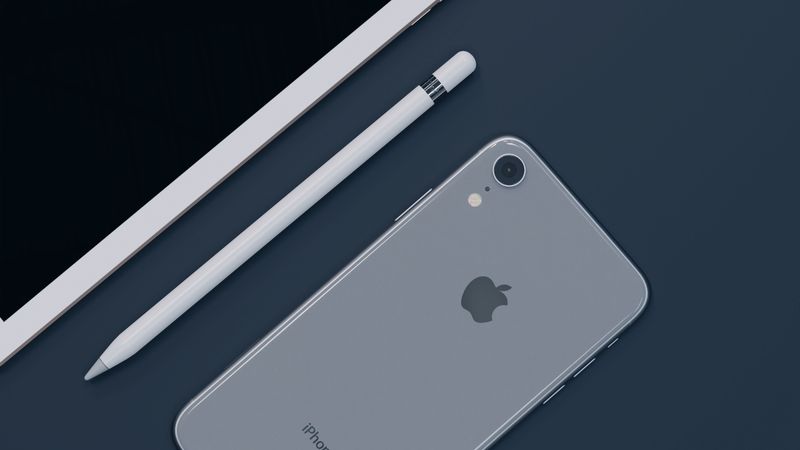
Apple says latest conflict minerals review found no basis to link suppliers to armed groups
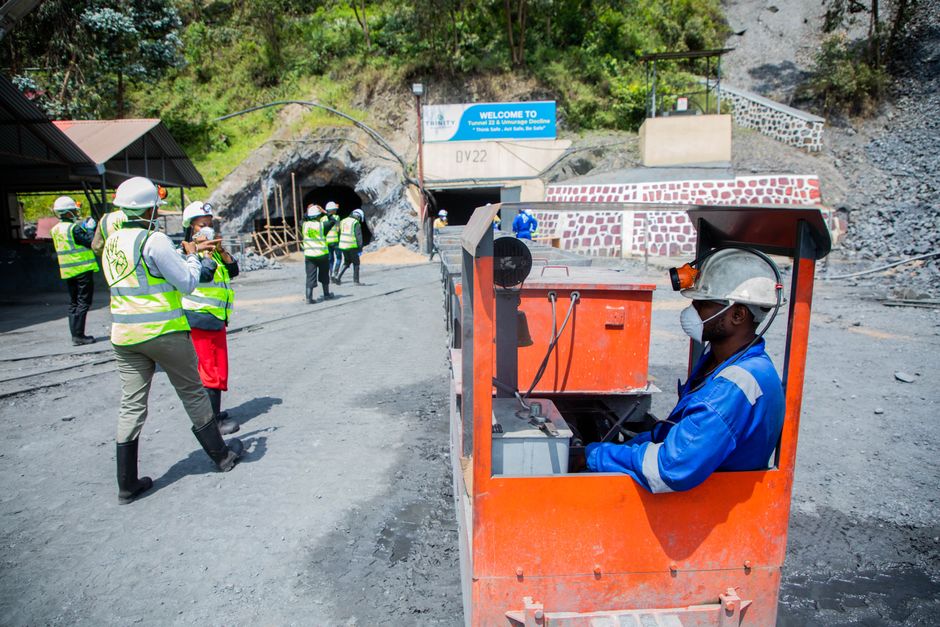
Apple has concluded its most recent examination of conflict minerals across its global supply chain, determining that its extensive monitoring processes have identified no credible connections between the company's suppliers and armed groups involved in the extraction or trade of these materials. The technology giant submitted its mandatory annual conflict minerals report to the Securities and Exchange Commission, presenting findings that cover the sourcing practices for components used in iPhones, Mac computers, and other product lines. The disclosure, filed as required under securities regulations, reflects Apple's ongoing commitment to tracing the origin of raw materials used throughout its manufacturing ecosystem, particularly focusing on tungsten, tantalum, tin, and gold—minerals frequently associated with conflict financing in certain regions of Africa and beyond. The regulatory requirement for conflict minerals reporting emerged from legislation enacted in the aftermath of international concerns about how the extraction and sale of certain minerals fuels armed conflicts and human rights abuses in vulnerable regions. Companies operating in the technology and manufacturing sectors face particular scrutiny because their products contain numerous components that require these materials. The conflict minerals framework was designed to create transparency and accountability throughout supply chains, forcing corporations to investigate whether their sourcing practices inadvertently support violence, exploitation, or illicit financial networks.
For Apple specifically, this annual reporting process represents a critical element of its broader corporate responsibility initiatives and demonstrates the company's stated dedication to ethical sourcing practices that extend beyond simple cost considerations to encompass human rights and geopolitical stability concerns. Apple's report indicates that the company engaged in comprehensive due diligence activities throughout the reporting period, conducting detailed assessments of smelters and refiners within its supply network to verify their sourcing methodologies. The examination involved reviewing documentation, conducting facility audits, and maintaining direct communication with suppliers about their procurement decisions. Apple's investigations found no evidence suggesting that any of its mineral suppliers had obtained these materials from regions characterized by armed conflict or from entities known to finance such conflicts. The company emphasized that its supply chain verification mechanisms operate on multiple levels, incorporating both direct supplier relationships and third-party auditing firms that specialize in conflict minerals assessment. This multi-layered approach reflects the complexity of global supply chains, where materials often pass through numerous intermediaries before reaching manufacturers, making transparency a significant operational challenge.
Industry observers and human rights organizations have responded to Apple's findings with acknowledgment of the company's established reputation for rigorous supply chain management, though some continue to advocate for even greater transparency measures across the technology sector. Compliance experts note that companies achieving clean conflict minerals certifications represent a growing trend in corporate responsibility, yet they caution that absence of identified connections does not guarantee perfect supply chain integrity across all operations. Statements from sourcing accountability groups indicate that while Apple's findings are noteworthy, the broader technology industry continues to face challenges in ensuring complete supply chain transparency, particularly in regions where documentation systems remain underdeveloped or where informal mining operations persist outside formal regulatory frameworks. The company's commitment to regular reporting and ongoing verification demonstrates awareness that maintaining ethical sourcing requires sustained effort rather than one-time compliance gestures. Apple's conflict minerals compliance reflects broader transformations occurring within technology manufacturing sectors regarding corporate accountability and consumer expectations around ethical consumption. The company's ability to identify no problematic supplier relationships illustrates either the genuine effectiveness of its due diligence practices or potentially the limitations of detection mechanisms when informal supply networks operate in certain regions.
The technology industry has experienced mounting pressure from investors, advocacy organizations, and consumers who increasingly scrutinize corporate responsibility records beyond financial performance metrics. Apple's continued investment in supply chain monitoring infrastructure suggests recognition that reputation risks and ethical concerns represent material business considerations in contemporary markets. The company's conflict minerals approach connects to wider initiatives spanning labor practices, environmental impact assessment, and compliance with international human rights standards, positioning ethical sourcing as integral to corporate strategy rather than peripheral compliance obligation. Moving forward, several critical developments merit close monitoring to assess the genuine effectiveness and sustainability of Apple's conflict minerals protocols. First, observers should track whether the company expands its due diligence mechanisms to encompass additional minerals and materials currently outside conflict minerals frameworks, particularly as technology products incorporate increasingly diverse material compositions including rare earth elements and cobalt used in batteries and other components. Second, the evolution of Apple's reporting transparency—specifically whether the company discloses increasing levels of granular detail about specific suppliers, sourcing locations, and verification methodologies in subsequent annual reports—will indicate whether current practices represent established standards or minimum baseline compliance.
Additionally, the company's capacity to maintain clean supply chain certifications amid expanding global operations, changing geopolitical circumstances, and the emergence of new extraction regions will test whether current systems possess sufficient robustness for sustained ethical sourcing commitment, particularly if minerals sourcing patterns shift toward regions with less established governance infrastructure or oversight capabilities. These metrics will provide meaningful indicators of whether Apple's current compliance framework adequately addresses both present-day supply chain realities and emerging challenges within global mineral extraction and manufacturing ecosystems.