Allegedly trashing Airbnbs to test robots puts startup in legal trouble
A San Francisco robotics startup faces legal action following allegations that employees used a residential Airbnb property as an impromptu testing ground for robotic prototypes, resulting in substantial property damage. The lawsuit, filed on May 26, 2026, names Sean Donovan as plaintiff and The Bot Company as defendant, with Donovan seeking damages exceeding $12,000 for harm allegedly inflicted upon his former childhood home during what the startup characterized as robotic prototype testing. The case marks a notable intersection of the sharing economy and emerging robotics development, highlighting the tension between rapid innovation cycles and residential property rights in an increasingly automated technological landscape.
The episode underscores a growing friction point in Silicon Valley's experimental culture, where the pressure to iterate quickly on hardware prototypes sometimes collides with conventional legal and ethical frameworks governing property use. The robotics sector has experienced explosive growth over the past five years, with companies increasingly deploying robots in real-world environments to gather data and refine autonomous systems. This accelerated development timeline, while crucial for advancing artificial intelligence and mechanical engineering, has created informal testing protocols that exist in regulatory gray zones. The Donovan case arrives at a moment when robotics ventures face mounting scrutiny regarding how they balance innovation speed with responsibility to third parties, particularly as autonomous systems move beyond controlled laboratory environments into residential spaces where public safety and property protection become paramount considerations.
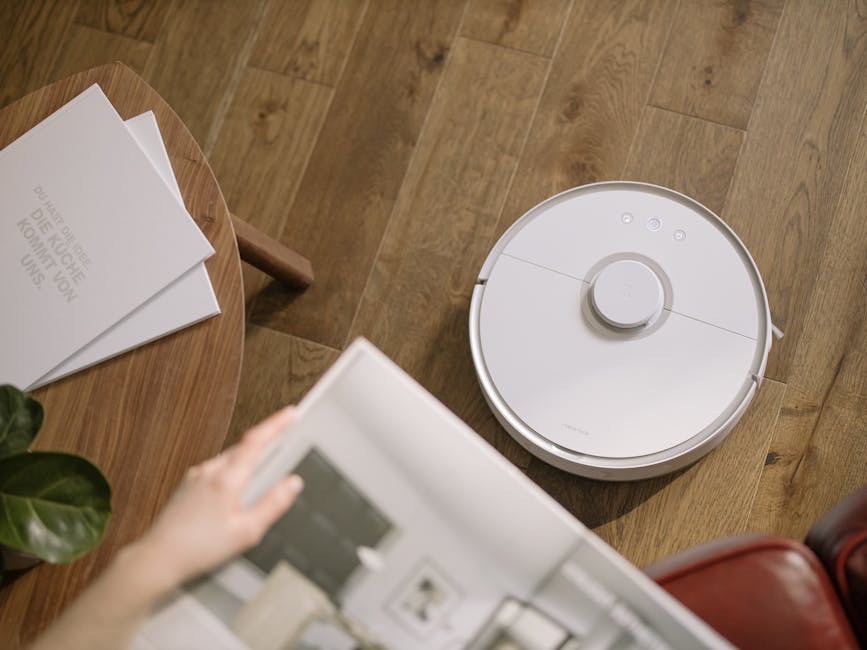
The incident reveals specific details of the alleged testing operation that underscore the scope of the damage claim. Donovan discovered evidence of the robotic experimentation during the guests' stay when he observed "bundles of wires" distributed throughout the residence and encountered a substantial six-foot-tall robotic device that he characterized as resembling a motorized "Roomba with treads" featuring mechanical design elements reminiscent of the science fiction antagonists from Star Trek. The size and configuration of this prototype, combined with the apparent wiring infrastructure required for its operation, suggests the startup was conducting field tests involving significant mechanical systems rather than simple software validation or small-scale component testing.
For technology sector stakeholders, this litigation carries immediate practical implications regarding the viability of using shared residential spaces for hardware testing without explicit disclosure and consent from property owners. Companies developing autonomous systems face mounting pressure to validate their products in real-world conditions beyond controlled facilities, as laboratory environments frequently fail to capture the complexity of unstructured residential or commercial settings. However, Airbnb's terms of service explicitly prohibit using listed properties for commercial purposes, including equipment testing and prototype development. The Bot Company's apparent circumvention of these restrictions by deploying testing operations through standard guest bookings creates legal exposure not only under property damage statutes but potentially under contract law regarding Airbnb terms violations and fraud claims if the startup misrepresented its intentions when booking the property. This case signals that regulators and courts increasingly will scrutinize whether startups can legitimately conduct hardware testing in residential environments through third-party platforms designed exclusively for personal accommodation.
The broader significance of this lawsuit extends beyond one company's testing practices to illuminate fundamental questions about how the robotics industry should structure its validation and development processes. As autonomous systems become increasingly sophisticated and capable of operating independently in human spaces, establishing clear protocols for prototype testing becomes essential both for legal compliance and for building public trust. The incident suggests that venture-backed robotics startups may be defaulting to informal, cost-cutting testing methods rather than pursuing transparent partnerships with property owners or utilizing appropriate commercial spaces and controlled environments. This pattern, if widespread, threatens to invite regulatory intervention specifically targeting how robotics companies can access real-world testing environments. The case also reflects emerging tensions between the sharing economy's flexibility and innovation's infrastructure requirements, questioning whether platforms like Airbnb can remain viable testing grounds or whether robotics development will require dedicated facilities designed specifically for prototype validation and refinement.
Observers tracking this sector should monitor both the litigation outcome and The Bot Company's subsequent operational decisions, as the resolution will likely influence how other robotics startups approach hardware testing protocols and environmental validation. The May 26, 2026 filing date establishes a legal timeline that may extend through 2027, potentially producing case law that clarifies liability standards for property damage claims arising from undisclosed commercial activities on residential premises. Additionally, attention should focus on whether Airbnb implements enhanced screening mechanisms or explicit prohibitions targeting robotics testing, as well as whether other property owners come forward with similar damage claims against robotics companies. The development of industry standards for responsible prototype testing, potentially through organizations like the Robotics Industry Association or through venture capital firms establishing contractual testing requirements for portfolio companies, represents another measurable development that will indicate whether the sector opts for self-regulation or faces externally imposed compliance frameworks.