Why 2 Massive Summer Events Could Lead to a Boost in Sales for This Beloved American Candy Brand
The Hershey Company stands at an inflection point driven by two converging events in 2026 that could fundamentally reshape its commercial trajectory. The American candy manufacturer, headquartered in Pennsylvania and operating as a publicly traded entity, is positioned to capitalize on the FIFA World Cup scheduled for North America and the nation's 250th anniversary celebration, both occurring during the same year. These dual cultural moments represent a rare convergence of consumer attention and discretionary spending patterns that could deliver meaningful revenue acceleration for a company that has faced persistent headwinds in recent quarters. The specificity of this timing—the intersection of international sporting spectacle and domestic patriotic commemoration—creates a unique market environment that extends beyond typical seasonal promotional cycles and into the realm of structural competitive advantage for established consumer brands with deep distribution networks and marketing resources.
The Hershey Company's recent performance underscores why these 2026 events carry particular strategic weight. The candy sector has contended with shifting consumer preferences toward healthier snacking alternatives, inflationary pressures impacting commodity costs, and evolving retail dynamics that have compressed margins across the confectionery industry. Hershey's historical dominance in the American chocolate market, built on iconic brands including Hershey's bars, Kisses, Reese's, and Kit Kat, has faced gradual erosion as health-conscious consumers increasingly scrutinize sugar content and processed ingredients. The convergence of the World Cup and America 250 celebrations occurs precisely when Hershey requires catalyst events to energize consumer engagement and justify premium pricing. These are not merely marketing opportunities but potential demand inflection points that could reverse quarterly trajectory challenges and provide management with a platform to communicate brand relevance to both existing loyal consumers and emerging demographics seeking affordable indulgence during major celebratory moments.
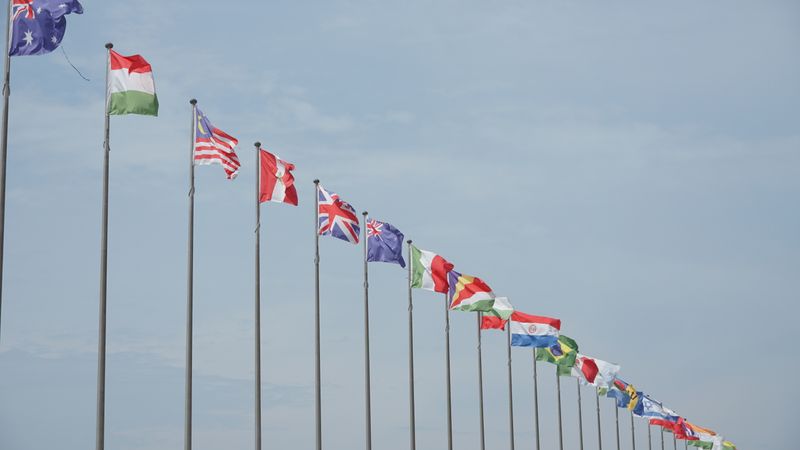
The FIFA World Cup's arrival in North America brings quantifiable commercial implications for major consumer packaged goods manufacturers. Tournament-related events historically drive elevated consumption of snack foods, with sports viewership occasions creating defined consumption moments across bars, restaurants, and home entertainment settings. The 2026 World Cup represents the first time the tournament will be held across multiple nations including the United States, Canada, and Mexico, thereby expanding the addressable market for participating brands considerably beyond traditional European or South American tournament patterns. Simultaneously, America 250 represents a once-per-generation commemorative opportunity, with the nation's quarter-millennial anniversary generating anticipated licensing opportunities, retail promotions, patriotic packaging variants, and consumer goodwill tied to nostalgia and national pride. The combination means Hershey can deploy marketing resources against two distinct consumer motivations—entertainment engagement during World Cup coverage and emotional connection during patriotic commemoration—rather than competing for attention within a single promotional window.
For business readers and investors evaluating Hershey's near-term growth catalysts, these events carry material implications for quarterly earnings and market positioning. The company can introduce limited-edition packaging variants, World Cup-themed collaborations, and America 250-branded special releases across its portfolio, capturing pricing premiums and incremental shelf space that competitors cannot easily replicate. Retail partners including supermarket chains, convenience stores, and mass merchants will be incentivized to feature Hershey products prominently given anticipated consumer demand during these celebratory periods, translating to improved in-store visibility and potentially expanded distribution for products that might otherwise face category compression. The operational benefit extends beyond immediate sales; these major events provide platforms for Hershey to execute strategic brand building that reinforces emotional connection with American consumers while simultaneously strengthening relationships with retail distribution partners who benefit from increased foot traffic and basket sizes during high-profile sporting events and patriotic occasions.
The broader significance of this convergence reveals fundamental truths about consumer behavior and brand strategy in an increasingly fractured media landscape. As traditional television viewership fragments and consumer attention becomes increasingly difficult to capture, major events remain among the most reliable mechanisms for generating concentrated consumer focus and elevated purchasing intent. Hershey's ability to leverage these moments reflects the enduring power of established brands with deep cultural roots; newer direct-to-consumer confectionery companies may offer innovative products or sustainability narratives, but they lack the distribution infrastructure and brand recognition to capitalize on major national moments the way legacy manufacturers can. This dynamic suggests that contrary to predictions of inevitable decline for traditional consumer packaged goods companies, strategically positioned incumbents can continue driving shareholder returns through disciplined execution against identifiable demand inflection points. The 2026 opportunity also demonstrates how macro-level events—international sports competitions and national commemorations—continue to shape microeconomic behavior, particularly in discretionary spending categories where purchase decisions are influenced by occasion and emotional resonance rather than pure functional necessity.
The quantifiable developments that business observers should monitor include Hershey Company's quarterly earnings releases throughout 2025 and 2026, particularly management commentary regarding inventory positioning, promotional calendars, and retail partner feedback related to World Cup and America 250 planning. The company's investor communications should reveal whether management views these events as sufficient catalysts to adjust guidance or communicate revised growth expectations, with specific attention to margins and volume growth across core brands. Additionally, competitive responses from Mars Incorporated, Mondelez, and other major confectionery competitors will indicate whether the broader industry recognizes 2026 as a pivotal year, with market share gains potentially shifting based on execution effectiveness. Investors should also track Hershey's retail partnership announcements with major chains and licensing arrangements related to America 250, as these concrete business developments will provide forward indicators of whether the theoretical demand opportunity translates into measurable commercial success when these events finally arrive in 2026.