White House Correspondents Dinner Rescheduled for July
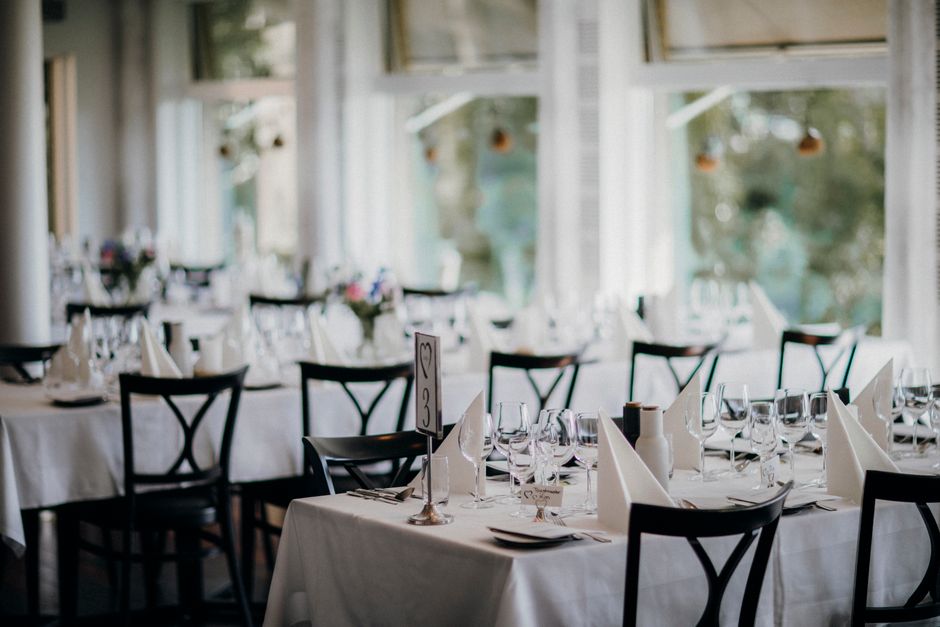
The White House Correspondents Association has announced the rescheduling of its annual dinner to July following a security incident that forced the cancellation of the April event. The prestigious gathering, traditionally held in spring at a major Washington hotel, was disrupted when an armed individual breached the venue during proceedings, prompting immediate security lockdown and evacuation of attendees including President Trump, senior government officials, and prominent members of the media establishment. The decision to relocate the event reflects both the operational challenges posed by the security breach and the association's determination to preserve an institution that has served as a cornerstone of media-government relations for decades. Trump's public commitment to attend the rescheduled July dinner signals a notable shift in presidential engagement with the press corps, an institution he has historically viewed with considerable skepticism.
The White House Correspondents Dinner represents far more than a social occasion. Since its inception in 1921, the event has functioned as a critical barometer of the relationship between governmental power and journalistic scrutiny in American democracy. The dinner traditionally features remarks from the sitting president, addresses from press organization leaders, and entertainment provided by established comedians tasked with delivering satirical commentary on current events and political figures. The April security incident that forced cancellation touches on vulnerabilities within high-profile Washington events while occurring against a backdrop of broader concerns about security threats targeting public figures and institutions. The timing of this disruption carries particular significance in a business and media landscape increasingly focused on operational resilience, crisis management, and the costs associated with maintaining security protocols at major corporate and governmental functions. The decision to reschedule rather than abandon the event entirely underscores confidence within both media organizations and the Trump administration that the dinner remains valuable enough to warrant the logistical complications required to restore it.
The April dinner was forced to conclude prematurely following the security breach, a development that represented the first significant disruption to the event in recent memory. The specific circumstances surrounding the incident prompted security agencies to reassess protocols for protecting attendees at large-scale Washington events where prominent governmental and media figures congregate. Trump's explicit statement confirming his intention to attend the rescheduled July event carries substantial weight given his previous pattern of boycotting the dinner, a position maintained throughout his first term in office. The shift to July represents a meaningful departure from the established spring calendar that has governed the dinner for generations, requiring significant logistical adjustments for participating media organizations, the White House, and supporting institutions that coordinate the event's execution.
For business readers, this development carries implications that extend well beyond ceremonial considerations. The rescheduling illuminates the operational costs and security expenditures that high-profile Washington events now require, a reality that affects corporate event planning, media organization budgeting, and government resource allocation. Companies and organizations that participate in or sponsor major Washington gatherings must now account for enhanced security measures, revised contingency protocols, and the potential for calendar disruptions when planning their annual events and relationship-building activities. The incident and subsequent rescheduling demonstrate how security concerns have fundamentally altered the landscape of elite Washington gatherings, creating new expenses and logistical challenges that organizations must absorb. Furthermore, Trump's willingness to attend signals potential shifts in executive-press dynamics that could influence media coverage patterns, investor sentiment regarding government-business relationships, and the broader tone of political discourse affecting business operations and regulatory environments. For media organizations and corporate communicators, the event's rescheduling necessitates reconsidering how government-press relations function when traditional institutional rhythms are disrupted.
The broader significance of this rescheduling reflects deeper patterns within contemporary American governance and institutional management. The security incident that prompted the cancellation occurs within a wider context of heightened threat assessments affecting high-profile gatherings nationwide, raising questions about how institutions balance accessibility with protection in an environment perceived as increasingly unstable. Trump's decision to attend the rescheduled dinner represents a notable departure from his adversarial stance toward the press corps, potentially indicating a calculated strategic shift toward more traditional modes of executive-press engagement. This development also illustrates how even deeply established institutional practices remain vulnerable to disruption, with cascading effects across dependent organizations and stakeholders. The event's transformation from spring to summer reflects the reality that no institutional calendar remains sacrosanct in an environment where security considerations can suddenly reshape administrative procedures. For business observers, this pattern suggests that organizations must develop greater flexibility in their planning processes and build contingency mechanisms into their operational calendars to accommodate unpredictable disruptions to established schedules.
Business observers should monitor specific developments emerging from the rescheduled July dinner and its implications for executive-press relations moving forward. The White House Correspondents Association will release detailed protocols and timing information for the rescheduled event, providing insight into how security agencies have restructured protections for similar gatherings. Trump's actual participation and conduct at the July dinner will signal whether his attendance reflects a genuine recalibration of press engagement or represents a tactical gesture with limited substantive implications for ongoing government-media relations. Media organizations covering the event should track how Trump characterizes the press during his remarks, as this messaging will establish parameters for his administration's broader approach to media scrutiny and regulatory policy affecting news organizations. Additionally, observers should monitor whether other major Washington institutions adopt similar security protocols or calendar adjustments in response to the April incident, potentially creating a ripple effect across the broader landscape of elite Washington events scheduled throughout the remainder of the fiscal year and into subsequent planning cycles.