What’s happening on Iran war day 90 as US launches new strikes
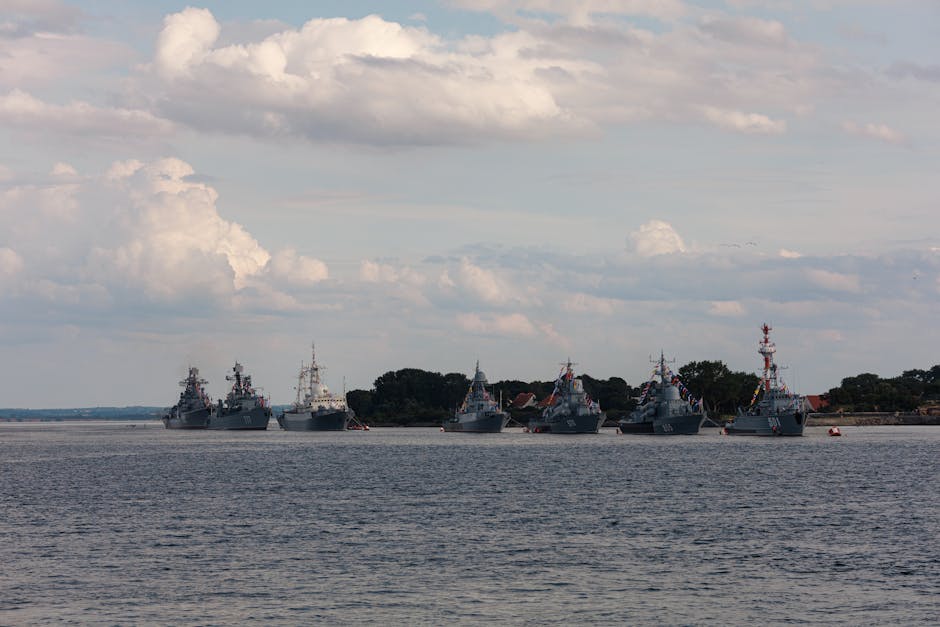
Military tensions in the Persian Gulf have escalated markedly as the United States launched a series of strikes targeting positions near Bandar Abbas on the ninety-day mark of an ongoing conflict involving Iran. The operations, conducted by American forces, focused on strategic locations in proximity to Iran's crucial port city, marking a significant intensification of hostilities in one of the world's most vital shipping corridors. Iranian officials subsequently announced that their nation sustained no casualties or material damage from the assault, though independent verification of these claims remains difficult given the region's volatile security situation and limited international access to affected areas. The strikes represent the latest in a pattern of military exchanges that has steadily elevated tensions throughout the Strait of Hormuz, a waterway through which approximately one-third of global maritime petroleum trade passes annually. The underlying crisis stems from a complex web of geopolitical tensions that have been simmering for decades, rooted in longstanding animosity between the United States and Iran over nuclear capabilities, regional influence, and broader Middle Eastern power dynamics. The conflict's escalation to military action reflects a fundamental breakdown in diplomatic channels and represents a dangerous moment for global energy security and international stability.
Previous attempts at negotiation and mutual agreement, including the Joint Comprehensive Plan of Action signed in 2015, have deteriorated considerably as political administrations changed and trust eroded between the parties. The current phase of military confrontation has drawn in numerous regional actors and has captured the attention of international observers who fear that further escalation could trigger wider regional conflict with catastrophic economic and humanitarian consequences. Understanding this ninety-day milestone requires acknowledging that months of rising tensions preceded actual combat operations, with incidents at sea, attacks on shipping infrastructure, and military posturing gradually narrowing the space for peaceful resolution. The strikes near Bandar Abbas targeted military installations and infrastructure facilities in the region, according to statements issued by United States Central Command, which oversees American military operations across the Middle East and Central Asia. American officials characterized the operations as defensive measures designed to protect vital shipping interests and counter what they described as Iranian aggression and destabilization efforts throughout the strategically critical waterway. Iran's military leadership countered these characterizations through official channels, asserting that the nation's armed forces maintained defensive readiness and that any American military action violated international law and infringed upon Iranian sovereignty.
The Iranian government emphasized that it remained committed to maintaining regional stability and protecting its territorial interests, while simultaneously warning that continued American military pressure would face appropriate responses. These contradictory narratives underscore the profound communication breakdown between the two nations and highlight how each side interprets identical events through dramatically different lenses shaped by decades of mistrust and competing strategic objectives. Military analysts and regional security experts have emphasized that the current situation carries genuine risks of spiral escalation, where reactive measures by one side trigger counter-responses from the other, progressively narrowing opportunities for de-escalation and conflict resolution. The Strait of Hormuz, through which tankers transport crude oil and liquefied natural gas to global markets, faces genuine threats to its security, with potential disruptions carrying implications far beyond the immediate region. International shipping companies have begun implementing costly security measures and rerouting vessels to avoid the affected areas, practices that increase transportation expenses and ultimately contribute to rising energy costs for consumers worldwide. Energy markets have responded to the heightened tensions with increased price volatility, as traders price in the risk that further military action could disrupt supplies or damage crucial infrastructure supporting the global petroleum trade.
Governments and international organizations have urged restraint from all parties involved, recognizing that military escalation in this region could generate economic shockwaves that reverberate through the global economy and destabilize fragile international markets. Broader strategic implications extend beyond immediate military considerations to encompass questions about the future trajectory of American foreign policy in the Middle East, the durability of international agreements regarding nuclear nonproliferation, and the capacity of diplomatic institutions to manage great power competition. The situation also raises concerns among allied nations, particularly those in Europe and Asia that depend heavily on Middle Eastern energy supplies and have substantial commercial interests in maintaining regional stability. Israel, Saudi Arabia, and other regional actors with interests in containing Iranian influence have watched developments closely, calculating how the conflict's trajectory might affect their own security concerns and strategic positioning within the broader regional competition for power and influence. The absence of effective mediation mechanisms or trusted intermediaries capable of facilitating meaningful dialogue between Washington and Tehran represents a critical gap in the international architecture for crisis management, leaving little room for third-party intervention that might defuse tensions. China and Russia, both with stakes in regional stability and commercial relationships with Iran, have adopted cautious postures that reflect their own complex calculations regarding American power projection and their long-term strategic interests across Asia and beyond.
Observers and analysts must closely monitor several critical developments in the coming days and weeks to assess whether the current military phase represents a new equilibrium or a stepping stone toward wider confrontation. First, attention should focus on whether the United States intends to conduct additional military operations or whether the current strikes conclude this particular phase of action, as statements from American commanders and political leadership will provide crucial signals regarding operational intentions and diplomatic openness. Second, the international community must track Iran's response calculus, specifically whether Iranian officials view the strikes as justifying counter-operations or whether they choose to exercise restraint pending diplomatic developments, a decision that will fundamentally shape whether the ninety-day conflict enters a new phase of intensified military exchanges. Beyond these immediate tactical questions, stakeholders should observe whether international diplomatic efforts gain traction, including potential involvement by regional powers like the United Arab Emirates or Oman that have historically played mediating roles in Persian Gulf disputes, as successful mediation represents perhaps the most viable pathway toward de-escalation and eventual resolution of underlying disagreements.