What Afghanistan’s rotten apples tell us about its non-profit sector
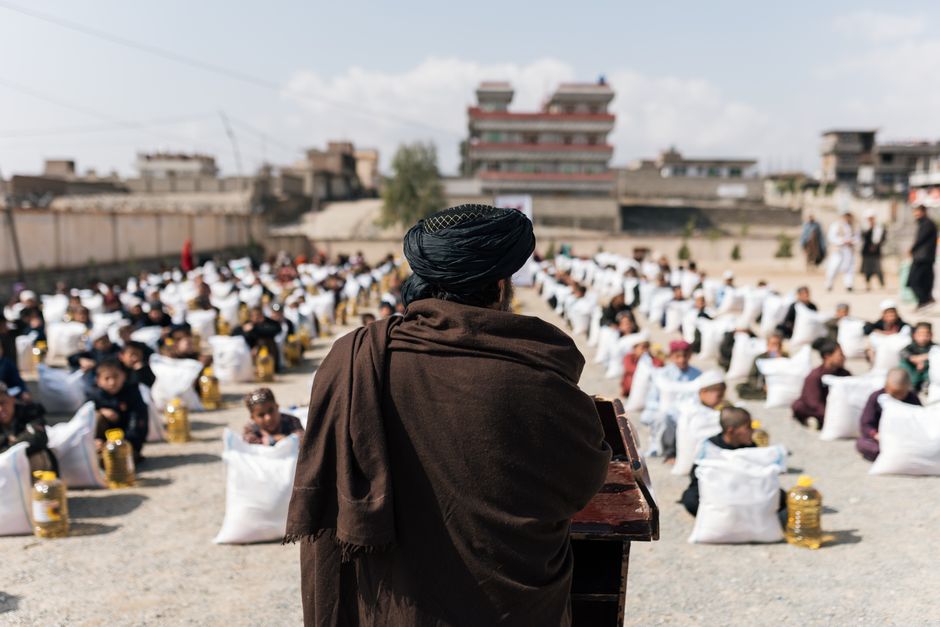
Afghanistan's non-profit sector faces a deepening crisis as international funding streams have contracted sharply while humanitarian needs across the country remain at historically elevated levels. The tension between diminishing resources and mounting demand has exposed structural vulnerabilities within the NGO ecosystem, where operational inefficiency persists despite mounting scrutiny from donors and oversight bodies. This paradox—fewer resources flowing to organizations tasked with delivering critical services to a population facing acute food insecurity, healthcare shortages, and educational collapse—has become the defining characteristic of Afghanistan's development landscape in the aftermath of the 2021 Taliban takeover. The gap between financial inputs and measurable outputs has widened considerably, raising fundamental questions about the sustainability and effectiveness of the international humanitarian response architecture that still operates within Afghan borders.
The contraction of Afghanistan's non-profit sector cannot be separated from the geopolitical rupture that followed the Taliban's return to power in August 2021. Prior to this watershed moment, international donors had channeled substantial resources into Afghan civil society organizations, viewing them as critical partners in development, governance, and service delivery across health, education, and livelihoods sectors. The collapse of the Western-backed Afghan government, combined with international sanctions and diplomatic isolation, triggered an immediate reassessment of funding priorities among bilateral donors and multilateral institutions. Many Western governments froze or severely restricted aid mechanisms, citing concerns about Taliban governance and the diversion of resources to authorities deemed hostile to their strategic interests. Simultaneously, the humanitarian imperative became impossible to ignore as Afghanistan descended into one of the world's worst humanitarian crises, with the UN estimating that more than 97 percent of the population faced poverty-related hardship by late 2022. This creates the backdrop against which NGO inefficiency must be examined—organizations are being asked to accomplish more with substantially less, yet structural problems persist that no amount of reframing can resolve.
The funding contraction has been quantifiable and severe. International NGOs operating in Afghanistan witnessed the withdrawal or dramatic reduction of support from major donor governments including the United States, United Kingdom, and European nations that had historically anchored their operational budgets. Local and national NGOs, which depend far more heavily on international grant mechanisms than their international counterparts, experienced even sharper reductions in available resources. The Afghan NGO sector has simultaneously confronted rising operational costs amid currency depreciation and inflation, creating a scissors effect where purchasing power for program delivery has declined even as nominal budgets remain theoretically stable. Simultaneously, the humanitarian situation has deteriorated markedly, with food insecurity spreading, healthcare infrastructure deteriorating, and educational institutions struggling to function. The World Food Programme and other UN agencies documented record-breaking humanitarian assistance requirements, yet the funding response from the international community has fallen dramatically short of these needs, creating a fundamental mismatch between assessed requirements and available resources.
For readers concerned with global development and humanitarian effectiveness, this Afghan paradox carries immediate implications. The inability of the NGO sector to operate efficiently while operating under severe resource constraints means that every dollar donated to Afghanistan-focused organizations reaches beneficiaries through a less effective delivery mechanism than the sector's historical baseline. This inefficiency translates directly into tangible human outcomes: delayed medical treatment, interrupted educational programming, food assistance reaching smaller populations than need warrants, and livelihood programs reaching fewer vulnerable households. Afghan households relying on NGO-delivered healthcare, education, and emergency assistance face service disruptions and quality degradation that compound the underlying crisis they face. For international donors who continue allocating resources to Afghanistan despite competing crises elsewhere, this efficiency gap represents not merely a management problem but a moral accountability issue. The continuation of inefficient service delivery, even amid resource scarcity, suggests organizational capacity constraints, governance weaknesses, or structural impediments that demand resolution if the humanitarian investment is to justify itself.
The Afghan NGO sector's persistence of inefficiency despite fiscal pressure reveals deeper truths about international humanitarian architecture and the organizational challenges of operating in conflict-affected states. Many organizations established their Afghan operations during decades of relative international engagement when resources permitted redundancy, specialized expertise could be sustained, and coordination mechanisms existed across the sector. The sudden resource contraction has exposed how many organizations lack the institutional flexibility or lean operational models necessary to function under extreme scarcity. Coordination between international and local NGOs has fragmented as funding competition has intensified, undermining the collaborative efficiency gains that once characterized the sector. The Taliban government's restrictions on certain types of programming—particularly those involving women's education and employment—have forced NGOs to redesign initiatives mid-stream, consuming resources and creating operational inefficiencies that compound the underlying funding shortfall. This situation also reflects broader questions about the appropriateness of the humanitarian NGO model for protracted crises in states with limited state capacity and fragile governance. The Afghan case suggests that the traditional NGO sector, while capable of delivering acute emergency relief, may struggle fundamentally when asked to provide sustained development services in contexts where government capacity is minimal and political legitimacy is contested.
Stakeholders monitoring humanitarian effectiveness in Afghanistan should focus particular attention on the next eighteen to twenty-four months, which will prove decisive for the sector's trajectory. The UN's funding appeal for Afghanistan and efforts by major donor coordination mechanisms to rationalize support will determine whether the resource situation stabilizes or deteriorates further. The Taliban government's own stated intentions regarding NGO operations, including stated policies on which sectors merit international support and which remain restricted, will shape the feasible operating environment for all organizations. International NGO networks and local Afghan organizations must demonstrate concrete progress in operational efficiency and cost-effectiveness by mid-2024 if they are to sustain donor confidence and funding levels. The performance of emergency health and nutrition programs, food security interventions, and educational initiatives will provide measurable indicators of whether the sector is managing its efficiency crisis or whether deterioration is continuing. Donors including the World Bank, UNHCR, and bilateral institutions from nations like Germany and Canada have signaled that future funding decisions will hinge on demonstrated effectiveness and transparency, meaning that the NGO sector faces a genuine accountability test that will reshape organizations unable to demonstrate value creation amid constraint.