War crosses the border as Russian drone hits NATO member Romania
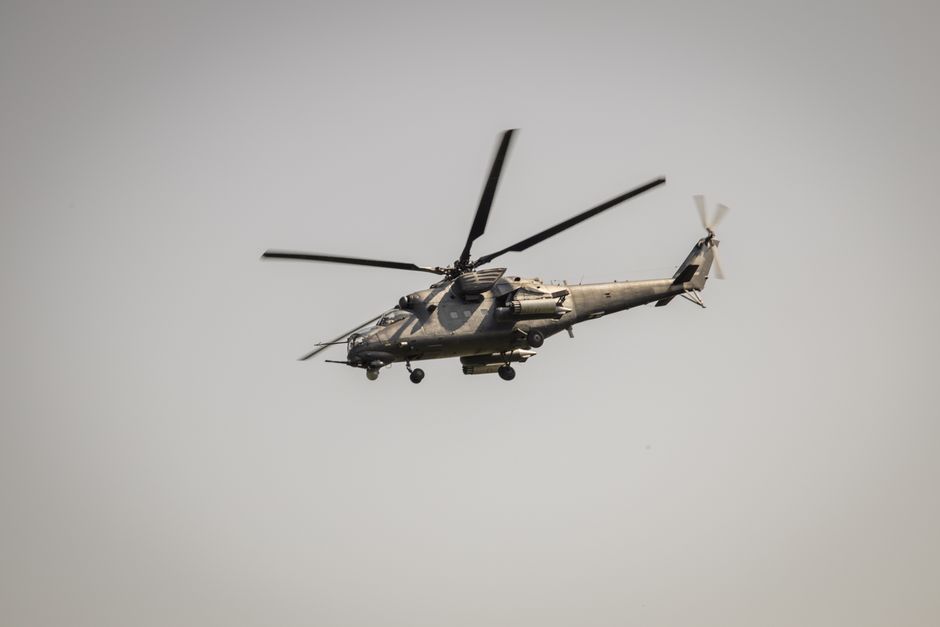
A Russian military drone crossed into Romanian airspace and struck a residential area near the border on Monday evening, marking an escalation in the ongoing conflict in neighboring Ukraine. The unmanned aerial vehicle penetrated approximately three kilometers into Romanian territory before detonating in a village in Tulcea County, located in the southeastern part of the country along the Danube River. Romanian officials confirmed the incident through military statements released to the public, though preliminary assessments indicated no casualties resulted from the strike. The drone strike represents the latest in a series of cross-border incidents involving NATO member Romania, a country that has maintained robust support for Ukraine's defense while carefully managing its own security concerns regarding Russian military operations in the wider region. The incident occurs against a backdrop of mounting tensions between Russia and the Western alliance, with Ukraine's war now in its third year and showing no signs of imminent resolution through diplomatic channels.
Romania, despite its geographical proximity to the conflict zone and its substantial Ukrainian refugee population exceeding 100,000 people, has remained a steadfast NATO member providing humanitarian assistance, weapons transfers, and military coordination with Ukrainian forces. The country's border region has experienced multiple previous incidents involving stray munitions and equipment from the war zone, yet a direct strike from a Russian drone represents a qualitative shift in the nature of cross-border violations. Romanian leadership has struggled to balance its commitment to the NATO alliance while avoiding direct military confrontation with Russia, a delicate position that becomes increasingly complicated with each new incident that pushes the conflict literally across international boundaries. Romanian military officials stated that their air defense systems initially tracked the unmanned aircraft, but the drone's rapid trajectory and low-altitude flight path limited response options available to defending forces. The weapon struck an open area in the village, with structural damage visible in photographs released by local authorities showing impact craters and debris scattered across agricultural land.
Romanian President Klaus Iohannis subsequently issued a statement condemning the violation of national airspace, characterizing the incident as a serious breach of international law and describing it as consistent with Russia's pattern of disregard for established norms of conduct. NATO's leadership acknowledged the incident and reaffirmed its commitment to defending all member states, though military planners notably avoided framing the event as grounds for direct military escalation or triggering collective defense mechanisms under Article 5 of the alliance's founding treaty. International security analysts point to the drone strike as illustrative of the broader strategic challenge facing NATO members along Russia's periphery, where the alliance must simultaneously demonstrate resolve in supporting Ukraine while maintaining sufficient restraint to prevent direct military confrontation with Russia. Experts from various defense policy institutes emphasized that such cross-border incidents, while concerning, have not yet crossed the threshold that would necessitate a NATO-wide military response. Ukrainian officials expressed solidarity with Romania, noting that Russian forces have deliberately targeted Ukrainian civilians throughout the war and that cross-border strikes represent an extension of this pattern of indiscriminate violence.
Former NATO military commanders quoted in international media outlets warned that the cumulative effect of repeated violations could eventually force escalatory responses from the alliance, particularly if civilian casualties resulted from future incidents or if strikes targeted critical infrastructure rather than empty fields. The geopolitical implications extend beyond Romania's borders, affecting calculations across Central and Eastern Europe regarding NATO's credibility and the alliance's ability to protect member states during a period of heightened Russian assertiveness. Poland, Baltic states, and other nations bordering Russia have intensified military buildups and requested additional NATO deployments following similar incidents. Strategic analysts note that Russia's apparent willingness to violate Romanian airspace suggests either escalating confidence in the face of Western support for Ukraine or a deliberate strategy to test NATO's resolve through incremental boundary violations. The incident complicates already fraught diplomatic discussions about potential peace settlements in Ukraine, as it demonstrates that Russia continues aggressive military operations even as some international actors propose negotiated settlements.
Defense planners across the alliance face mounting pressure to develop coherent strategies for managing this gray zone of conflict where Russia operates below thresholds that would trigger traditional security responses. The immediate question facing NATO leadership centers on whether the organization will formally upgrade its posture in response to the drone strike, and observers should monitor two specific developments in coming weeks. First, attention will focus on whether NATO calls for an emergency meeting of its governing council and whether it announces enhanced air defense deployments to Romanian territory, including advanced systems that could more effectively counter Russian drone threats before they cross international borders. Second, watch for Romanian government actions regarding its own military readiness and whether it requests additional NATO assets or coordinates enhanced joint air defense arrangements with neighboring Bulgaria and Ukraine, as such cooperation would signal a shift toward more integrated regional security responses. The incident underscores fundamental questions about NATO's strategic approach to gray-zone conflicts and whether the alliance can sustain current support for Ukraine while managing escalating risks to its own member states.