U.S. military launches new strikes on Iranian drones
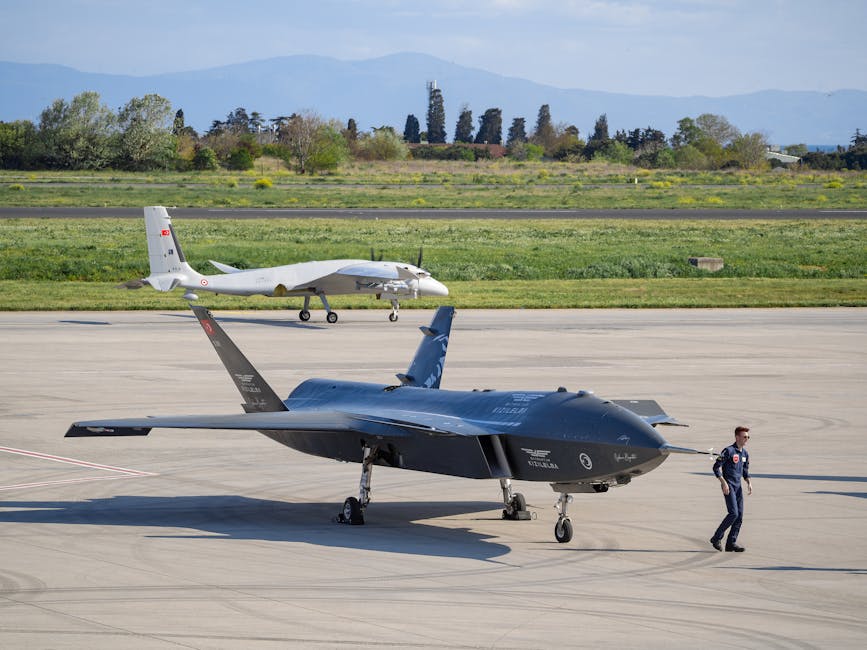
The United States military has launched a significant military operation targeting Iranian drone infrastructure, destroying multiple airborne unmanned vehicles and conducting strikes against ground control stations operating within Iranian territory. The action marks an escalation in tensions between Washington and Tehran, coming amid heightened regional instability and ongoing concerns about Iranian military capabilities in the Middle East. Military officials confirmed that American forces successfully intercepted several drones that were either in flight or positioned for deployment, while also targeting at least one ground control facility responsible for coordinating drone operations from Iranian soil. The precise timing and circumstances surrounding the operation underscore the volatile security situation affecting the broader region and raise questions about the broader strategic implications of direct military action against Iranian assets. Understanding the significance of this military action requires examining the historical trajectory of U.S.-Iran relations and the escalating pattern of military confrontations in recent years. The relationship between the two nations has been characterized by deep mutual distrust since the 1979 Iranian Revolution, but recent years have witnessed a marked increase in direct military posturing and strikes. When the Trump administration withdrew from the Joint Comprehensive Plan of Action, the international nuclear agreement negotiated during the Obama presidency, it set the stage for renewed tensions and Iranian retaliation.
The Biden administration inherited this fraught situation, and despite initial diplomatic overtures toward renewed negotiations, military incidents have continued to punctuate the landscape. Iranian drone capabilities have become an increasingly visible element of regional power dynamics, with these unmanned systems serving as tools for projecting influence throughout Iraq, Syria, and Yemen. The proliferation of these technologies and their demonstrated effectiveness in previous conflicts has made them a focal point for American military concerns and responses. Military officials provided specific details regarding the operational scope and effectiveness of the recent strikes. The United States military successfully neutralized multiple incoming drones, preventing them from reaching their intended targets, though the exact number of aircraft destroyed was not immediately disclosed to the public. Beyond the aerial interception operations, American forces demonstrated their capacity to conduct deep strikes into Iranian airspace and territory to strike ground infrastructure, specifically targeting command and control facilities that direct drone operations. The choice to strike ground stations represents a significant tactical decision, as such facilities represent the nervous system of Iranian drone operations, controlling communications and coordinating multiple unmanned systems simultaneously.
Military strategists emphasized that degrading these control capabilities reduces Iran's ability to conduct coordinated drone attacks against American personnel, allies, or strategic installations throughout the region. The precision nature of modern military operations allowed forces to target specific facilities while limiting collateral damage, a consideration that factors heavily into operational planning for strikes within foreign territory. Regional security analysts and military experts offered varied interpretations of the operation and its probable consequences for regional stability. Some defense analysts characterized the strikes as a necessary defensive measure, essential for protecting American military personnel and allied forces stationed throughout the Middle East from escalating Iranian aggression. These analysts point to documented evidence of Iranian drone attacks against American installations and the ongoing threat posed by increasingly sophisticated unmanned systems as justification for preemptive action. However, other foreign policy experts expressed concern that direct military strikes against Iranian territory could trigger an escalatory spiral that ultimately proves more destabilizing than the threats they were designed to counter. Regional diplomats and international observers noted that the operation occurs within a complex geopolitical environment where multiple conflicts overlap, including the ongoing situation in Syria, the humanitarian catastrophe in Yemen, and the broader strategic competition between American and Iranian spheres of influence.
The operation also carries symbolic weight in demonstrating American military resolve to regional allies and partners who may harbor concerns about American commitment levels in the face of Iranian regional activities. This military operation reveals deeper patterns within the contemporary Middle Eastern security environment and reflects fundamental strategic dilemmas facing American military planners. The proliferation of drone technology has fundamentally altered regional power dynamics, enabling non-state actors and smaller military forces to project power far beyond their immediate geographic borders at relatively low cost. Iran has invested heavily in developing and expanding its drone capabilities, viewing these systems as force multipliers that allow it to extend influence and project power without deploying expensive conventional military assets that could be easily neutralized. The American response demonstrates how technological advancement has created new military challenges requiring constant adaptation and vigilance. Furthermore, the reliance on drone strikes for both sides suggests that future conflicts in the region will increasingly involve unmanned systems operated from protected locations, removing traditional physical constraints on military engagement. The incident also highlights the reality that despite decades of military presence in the Middle East, the United States continues to face determined adversaries capable of mounting sustained challenges to American interests and allies, requiring continuous military adaptation and commitment.
The coming weeks will require careful monitoring of Iranian response mechanisms and the broader trajectory of U.S.-Iran military confrontation. First, observers should closely track whether Iran responds with retaliatory drone or missile attacks against American installations or allied positions in the region, which would likely trigger additional American military responses and potentially expand the scope of the conflict beyond the current parameters. Second, the international diplomatic community will need to observe whether this military escalation affects ongoing negotiations or discussions regarding broader security arrangements in the region, including any potential revival of nuclear negotiations or new frameworks for limiting arms proliferation. Additionally, the extent to which regional allies either support or distance themselves from American military actions will provide valuable insight into evolving regional alignments and confidence in American strategic leadership. The situation demands continued monitoring of Iranian statements and military activities, as officials in Tehran may use this incident as justification for accelerated weapons development or expanded support for proxy forces throughout the region. Finally, global observers should assess whether this pattern of escalation contributes to a broader deterioration in international stability or whether diplomatic channels remain viable for de-escalation and renewed negotiation.