
US military disables ship attempting to breach blockade of Iranian ports: Centcom
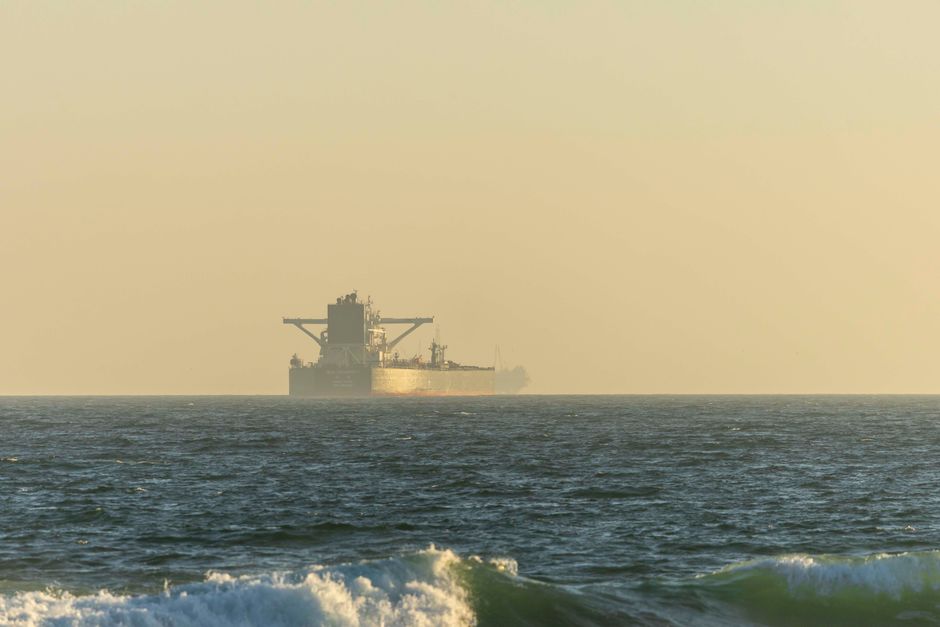
The United States military, operating under Central Command's authority, disabled a Gambian-flagged vessel on Friday as it attempted to breach an American naval blockade of Iranian ports in the Strait of Hormuz. The incident represents an escalation in military enforcement operations designed to restrict Iran's maritime commerce and represents a direct assertion of American naval supremacy in one of the world's most strategically vital waterways. The action came after the ship failed to respond to repeated warnings issued by U.S. naval forces, prompting military personnel to take decisive action to prevent the vessel from reaching its intended Iranian destination. This confrontation underscores the intensifying tensions surrounding maritime access to Iranian ports and reflects the hardening American posture toward Tehran's economic and shipping infrastructure in a region already characterized by significant geopolitical friction.
The blockade operations themselves emerge from a broader context of escalating U.S. military pressure on Iran following the collapse of the Joint Comprehensive Plan of Action, commonly known as the Iran nuclear deal, in 2018 under the previous presidential administration. Successive American governments have pursued progressively stricter maximum pressure campaigns against the Iranian economy, with naval interdiction now representing a kinetic enforcement mechanism rather than merely financial sanctions. The Strait of Hormuz, through which approximately thirty percent of the world's seaborne petroleum passes annually, has become a focal point for this strategic competition, with the United States asserting its intention to restrict Iranian shipping and revenue generation. The timing of these interdiction operations reveals deeper concerns within American strategic circles about Iran's expanding regional influence, its support for non-state actors, and its accelerating nuclear enrichment activities, all of which have prompted Washington to adopt increasingly aggressive postures beyond traditional diplomatic pressure.
The disabled vessel, identified as operating under a Gambian flag, represents exactly the type of circumvention mechanism that Iranian entities and their intermediaries have developed to evade international scrutiny and American enforcement actions. Centcom's statement made clear that the ship received numerous warnings prior to the disabling operation, establishing that military personnel attempted de-escalation measures before resorting to direct action against the vessel. The Gambian registry itself exemplifies the flag-of-convenience arrangements frequently utilized by shipping entities seeking to obscure their actual operational origins and commercial connections, a practice that has proliferated as sanctions enforcement has intensified. These specifically configured evasion tactics demonstrate the cat-and-mouse dynamics that characterize maritime sanctions enforcement, where shipping companies continuously adapt their methodologies—changing flag registries, altering vessel identities, employing indirect routing—to circumvent American interdiction efforts while maintaining Iranian commercial operations.
For political observers and policymakers tracking Middle East strategy, this incident carries immediate consequences for the sustainability of American sanctions regimes and the broader question of whether military enforcement can effectively supplement economic pressure. The disabling of a single vessel may appear operationally routine, yet each such action carries political weight by demonstrating American willingness to employ force to restrict Iranian commerce, a message directed toward both Tehran's leadership and international shipping companies considering whether to engage in Iranian trade. More critically, the incident raises questions about the scalability and sustainability of such enforcement operations; naval blockades require sustained resource commitments and generate cumulative political friction with shipping industry stakeholders and neutral nations whose commercial interests intersect with Iranian maritime activity. The practical effect of these operations directly impacts global oil markets, maritime insurance costs, and international navigation norms, creating economic ripple effects that extend far beyond the bilateral U.S.-Iran relationship into broader patterns of global commerce.
This action reveals a significant pattern in contemporary American foreign policy toward Iran characterized by what might be termed kinetic sanctions enforcement, where military power becomes increasingly integrated into economic coercion strategies. Rather than relying exclusively on financial sanctions, investment restrictions, or diplomatic isolation, the United States demonstrates its intention to physically intercept Iranian-bound commerce through direct naval intervention. This approach reflects deepening strategic frustration within American foreign policy circles regarding the limited effectiveness of purely financial sanctions in constraining Iranian behavior and represents a deliberate choice to escalate enforcement mechanisms despite their higher political costs and greater potential for unintended escalation. The pattern extends beyond Iran itself, illustrating broader American strategy of maintaining military dominance in critical waterways and demonstrating resolve to enforce its strategic preferences through naval presence and intervention, a doctrine with significant implications for international shipping norms and the principle of freedom of navigation in contested maritime spaces.
Moving forward, multiple developments merit close monitoring by observers tracking this maritime enforcement campaign and its implications for broader regional stability. First, the operational tempo of Centcom's interdiction operations deserves sustained attention, as increased frequency of such incidents could indicate either intensifying enforcement campaigns or escalating attempts at sanctions evasion, each carrying different strategic implications. Second, international maritime organizations and neutral shipping registries will face mounting pressure regarding their participation in flag-of-convenience arrangements, particularly as the economic costs of Iranian maritime activity rise for companies accepting these commercial relationships. Third, the United Nations Security Council's responses and the International Maritime Organization's positioning on these enforcement operations will reveal whether international institutions legitimize or challenge American unilateral enforcement actions in contested waterways. Observers should specifically watch for statements from major maritime trading nations through the third quarter of this year and monitor whether additional nations establish explicit guidance for their shipping industries regarding Iranian commerce. The trajectory of these enforcement operations will ultimately signal whether American military pressure succeeds in restricting Iranian maritime commerce or whether Tehran and its commercial partners develop sufficiently sophisticated circumvention mechanisms to sustain shipping operations despite blockade enforcement efforts.


