Tony Awards 2026: 'Death of a Salesman' Leads With Six Wins, as 'Ragtime,' 'Schmigadoon!' and 'Liberation' Also Take Top Honors
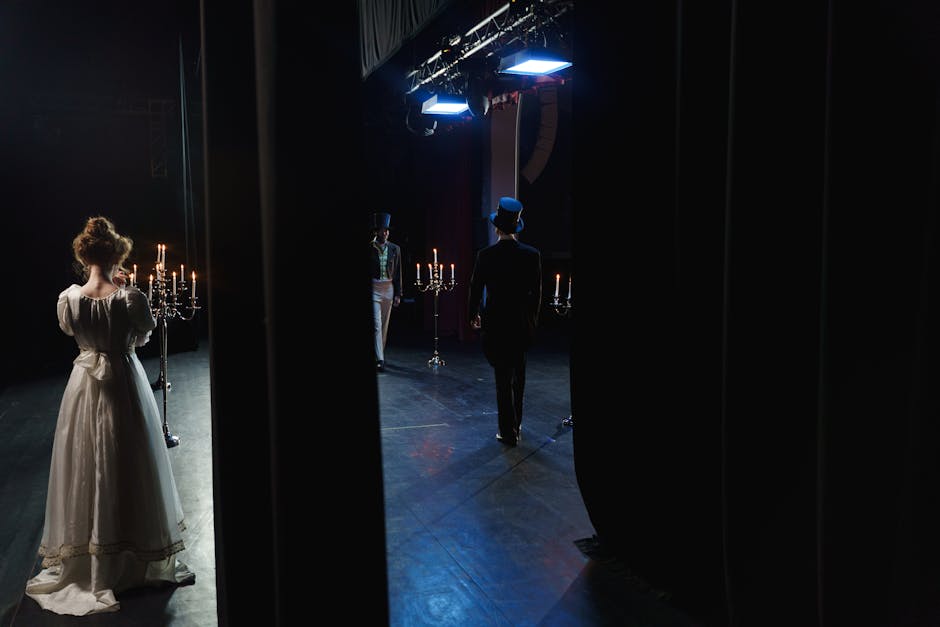
Arthur Miller's "Death of a Salesman" claimed the spotlight at the 79th annual Tony Awards ceremony, securing six accolades and establishing itself as the evening's dominant force across Broadway's most prestigious categories. The production, featuring Nathan Lane and Laurie Metcalf in the central roles, captured the award for best revival of a play alongside victories in lead actress for Metcalf and direction, among other technical and performance honours. This remarkable showing underscores a significant moment in contemporary theatre, where a mid-century American classic continues to resonate powerfully with contemporary audiences and critical establishments. The sweep represents not merely a collection of technical achievements but a validation of this particular artistic vision's interpretation of Miller's enduring meditation on ambition, failure, and the hollow promises embedded within postwar American capitalism. The 79th iteration of the Tony Awards thus marks a watershed moment for revival theatre, demonstrating that established canonical works retain the capacity to dominate the industry's most celebrated evening when mounted with sufficient artistic conviction and star power.
The resurgence of "Death of a Salesman" within the Broadway ecosystem reflects broader currents within contemporary theatre programming and audience appetites. Miller's 1949 work has functioned as a cultural cornerstone for over seven decades, yet its periodic returns to the stage take on distinctive meaning according to the historical moment of their emergence. Previous major revivals, including the 2012 production featuring Philip Seymour Hoffman, have themselves become canonical theatrical events, establishing a tradition of reinterpretation. The timing of this particular version coincides with sustained public discourse regarding economic instability, employment precarity, and the psychological toll exacted by competitive capitalist structures. Contemporary audiences approaching the play encounter it through a distinctly twenty-first-century lens shaped by pandemic-era economic disruption, precarious labour arrangements, and widespread reassessment of inherited assumptions about career trajectories and professional fulfilment. The convergence of Miller's text with present conditions generates particular potency, suggesting that theatrical revivals function not as nostalgic exercises but as dynamic re-engagements with works whose essential questions acquire fresh urgency across generational transitions. The Tony Awards recognition of this specific production acknowledges this contemporary resonance while simultaneously affirming the play's continued architectural importance to American theatrical culture.
Metcalf's win for lead actress in a revival represents a particularly significant component of the evening's overall narrative arc, positioning her performance as the emotional and interpretive centre of the production. The actress brings formidable credentials to the role, having established herself across multiple theatrical contexts over a career spanning decades. Her victory materializes within a competitive field of revival performances, indicating that the Tony electorate perceived her portrayal as exemplary within the specific demands of Miller's domestic tragedy. The production's accumulation of technical honours alongside performance accolades suggests coherent artistic execution across multiple production dimensions rather than isolated achievements. Direction honours similarly validate the conceptual framework within which this "Death of a Salesman" operates, confirming that dramaturgical choices regarding staging, pacing, and interpretive emphasis achieved sufficient artistic and critical consensus to warrant recognition. These multiple victories across categories ranging from performance to direction to technical production designations demonstrate integrated artistic vision rather than fragmented success. The comprehensiveness of this recognition pattern establishes "Death of a Salesman" as a complete theatrical statement rather than a vehicle for individual performances or technical showmanship.
For Broadway audiences and theatre professionals, the implications of this victory sequence carry substantial consequence regarding the current health and direction of revival programming on the Great White Way. The success of "Death of a Salesman" validates significant financial investment in classic American drama, a genre that competes against new musicals, limited-run spectacles, and entertainment properties adapted from film and television. Production companies, theatrical investors, and venue operators monitoring audience response and critical reception gain concrete evidence that sophisticated stagings of canonical American plays generate both cultural validation and, presumably, sufficient box office performance to justify the considerable expenses associated with Broadway mounting. Lane and Metcalf's combined star power undoubtedly contributed to the production's commercial viability, yet the Tony Awards recognition suggests that artistic quality and thematic relevance extend beyond celebrity casting. For emerging playwrights and theatrical innovators, this outcome creates a somewhat complex environment: while it affirms the continued marketability of established classics, it simultaneously raises questions regarding the theatrical resources available for new dramatic works and experimental ventures. The economics of Broadway production increasingly require the commercial anchoring that established intellectual properties and star performers provide, potentially constraining opportunities for untested voices.
The broader landscape of contemporary Broadway reveals a theatre industry navigating fundamental tensions between commercial necessity and artistic innovation, between canonical preservation and emergent creativity. "Death of a Salesman's" dominance at the Tonys occurs within an ecosystem where revivals, adaptations, and properties derived from other media have become increasingly prevalent components of the Broadway calendar. This pattern reflects both audience preferences and economic realities: established narratives carry reduced market risk compared to untested original works, while institutional validation through awards serves marketing functions that benefit all stakeholders. Yet the specific nature of what circulates within revival programming matters considerably. When canonical American plays receive major production investments and extensive technical resources, they embody certain cultural assumptions about theatrical value and national identity. Miller's examination of American capitalism and individual aspiration maintains particular resonance in contexts of economic uncertainty, suggesting that audiences deliberately seek out dramatic works addressing fundamental questions about national character and personal destiny. The Tony Awards recognition of "Death of a Salesman," alongside other honoured productions including "Ragtime," "Schmigadoon!", and "Liberation," indicates a theatre industry simultaneously engaging with American musical traditions, contemporary comedic sensibilities, and liberation narratives, revealing multivalent approaches to what theatre communicates about contemporary social consciousness.
The immediate future trajectory of Broadway programming warrants careful attention from industry observers and theatre advocates, particularly regarding how this evening's results influence programming decisions across the coming theatrical seasons. The major theatrical organizations and Broadway theatres will necessarily assess whether "Death of a Salesman's" success provides replicable models for similar classical revival mounting, potentially affecting what theatrical works receive substantial resource allocation in 2026 and beyond. Secondary metrics including box office performance, tourism revenue, and long-term audience engagement across the 79th Tony Awards' winning productions will likely circulate through industry decision-making channels during programming deliberations. The sustained commercial viability of Broadway itself depends partly upon balancing revivals and new work, a calculation that remains perpetually contested. Observers should monitor announcements from major Broadway producing organizations regarding upcoming seasons, attending particularly to the ratio of original works versus revivals versus adaptations in publicly announced schedules. Additionally, the performance of "Ragtime" and other major award winners at the 79th Tonys in subsequent performance data and audience retention metrics will provide empirical evidence regarding whether theatrical award recognition translates reliably into sustained audience engagement and commercial success. The coming years will reveal whether this awards cycle represents a singular moment of classical American drama's validation or the beginning of a sustained period in which revivals dominate Broadway's artistic and commercial attention.