
This Discovery Could Change How Often You Need Ozempic Shots
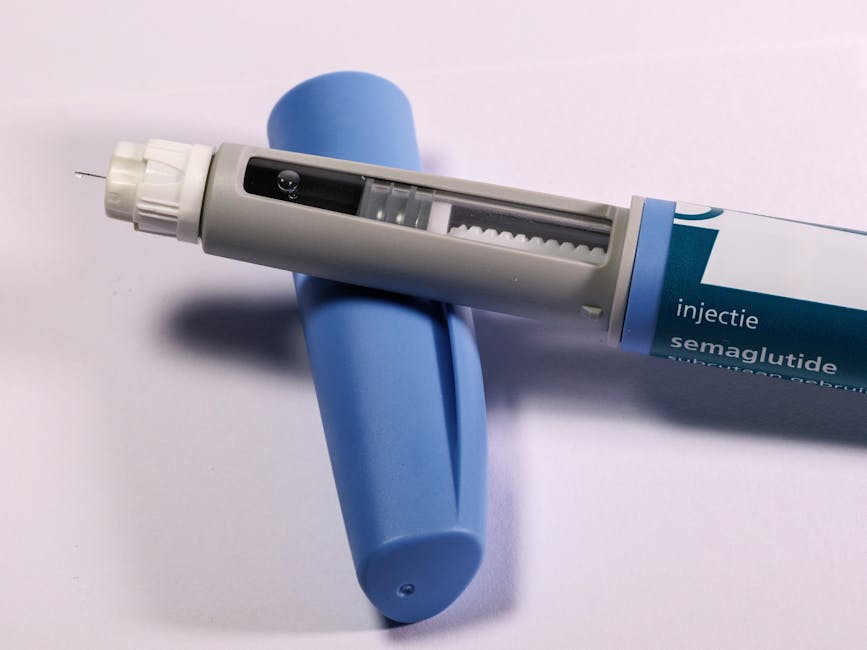
The pharmaceutical industry faces a critical inflection point as researchers have identified the precise biological mechanism responsible for the declining efficacy of semaglutide—the active ingredient in widely-prescribed GLP-1 receptor agonists such as Ozempic and Wegovy. This discovery, emerging from contemporary medical research, directly addresses one of the most pressing limitations in the current treatment paradigm for type 2 diabetes and obesity management. The finding establishes why the therapeutic effects of these medications diminish over time with repeated administration, a phenomenon clinically recognized as tachyphylaxis. Understanding this mechanism opens a pathway toward reformulating treatment protocols that could fundamentally alter dosing schedules, reduce injection frequency, and potentially reshape the commercial landscape of a market segment currently valued in the tens of billions of dollars globally.
The commercial ascendancy of GLP-1 receptor agonists represents one of the most significant pharmaceutical breakthroughs of the past decade, yet their widespread adoption has simultaneously revealed structural limitations that manufacturers and clinicians have struggled to address. Ozempic and competing products captured unprecedented market share in diabetes management following their clinical validation, with demand extending well beyond the diabetic population into the weight-loss and metabolic health sectors. However, persistent questions about treatment durability and the necessity for escalating doses or more frequent injections have constrained their market expansion and created uncertainty among healthcare systems managing costs. The timing of this mechanistic discovery proves particularly consequential, arriving as healthcare providers, pharmaceutical manufacturers, and policymakers grapple with questions of accessibility, affordability, and long-term treatment sustainability. Understanding precisely why effectiveness wanes directly addresses a gap in clinical knowledge that has limited optimization of these therapeutically valuable drugs.
The research establishes that desensitization of GLP-1 receptors—the cellular targets through which semaglutide exerts its metabolic effects—occurs through a specific biological process involving receptor internalization and reduced surface expression. Current treatment protocols typically require weekly injections, with many patients necessitating dose escalation to maintain therapeutic efficacy over extended treatment periods. The mechanism identified in the research suggests that the body's adaptive response to repeated drug exposure drives this diminishing response rather than drug metabolism or clearance rates alone. This distinction carries profound implications, as it indicates that the problem lies not with how quickly the body eliminates the medication but with how target cells respond after prolonged exposure. The identification of this specific biological pathway provides pharmaceutical researchers with concrete targets for intervention—potential approaches could involve modulating the rate of receptor internalization, altering dosing intervals to prevent desensitization, or developing adjunctive therapies that restore receptor sensitivity.
For business readers and investors, this discovery translates into near-term competitive opportunities and medium-term market transformation potential. Manufacturers possessing the capability to develop formulations or protocols that mitigate tachyphylaxis would capture significant market share from competitors relying on conventional dosing strategies. Patients currently experiencing diminished response could maintain therapeutic benefit at lower doses or extended injection intervals, reducing both medication costs and treatment burden—factors that directly influence adherence rates and long-term market penetration. Insurance companies and healthcare systems would gain negotiating leverage if extended dosing intervals became viable, potentially reducing per-patient annual treatment costs substantially. The current treatment paradigm often requires dosing adjustments every several weeks, creating ongoing clinical monitoring requirements and associated healthcare utilization costs. A formulation or protocol enabling, for example, bi-weekly or monthly dosing intervals while maintaining steady-state efficacy would represent a meaningful cost reduction throughout the healthcare supply chain and could substantially expand the addressable patient population by improving accessibility.
This advancement exemplifies a broader pattern visible across pharmaceutical development: the shift from simply identifying effective therapies toward engineering optimal delivery and dosing mechanisms that maximize both clinical benefit and economic efficiency. The challenge of receptor desensitization extends beyond semaglutide to numerous receptor-targeted therapies, suggesting that solutions developed here could establish templates applicable across multiple therapeutic classes. Manufacturers increasingly recognize that market leadership in the coming decade will belong not merely to those with effective active ingredients but to those who solve the practical, economic, and patient-experience dimensions of treatment delivery. The GLP-1 market has already demonstrated demand elasticity—lower barriers to treatment initiation and maintenance drive significantly higher patient volumes. Therefore, any manufacturer achieving meaningful improvements in dosing convenience or treatment sustainability would likely capture outsized market share. Additionally, this discovery highlights the commercial value of mechanistic understanding in mature therapeutic categories; companies that treat approved medications as static products risk losing market position to innovators who continuously refine treatment protocols.
Healthcare stakeholders should closely monitor ongoing clinical development programs from major manufacturers including Novo Nordisk and Eli Lilly as they likely pursue formulation modifications or protocol adjustments based on this mechanistic understanding. The next critical juncture arrives within the next 18 to 24 months, when manufacturers may announce either novel delivery approaches or revised dosing recommendations supported by clinical data addressing receptor desensitization. Additionally, the regulatory pathways through which modified dosing protocols achieve approval merit close attention—accelerated approval programs could bring optimized treatment approaches to market significantly faster than traditional routes. Investors should examine whether competitors develop meaningful differentiation in dosing convenience, as the resulting market share gains could drive substantial valuation differences even among manufacturers offering chemically identical active ingredients. Finally, healthcare economists should monitor real-world effectiveness data comparing outcomes between patients maintained on conventional weekly dosing versus any emerging extended-interval protocols, as these studies will ultimately determine whether this mechanistic discovery translates into measurable improvements in clinical practice and economic outcomes throughout the healthcare ecosystem.


