The institutional edge: moomoo targets Wall Street-grade trading tools for retail crypto investors
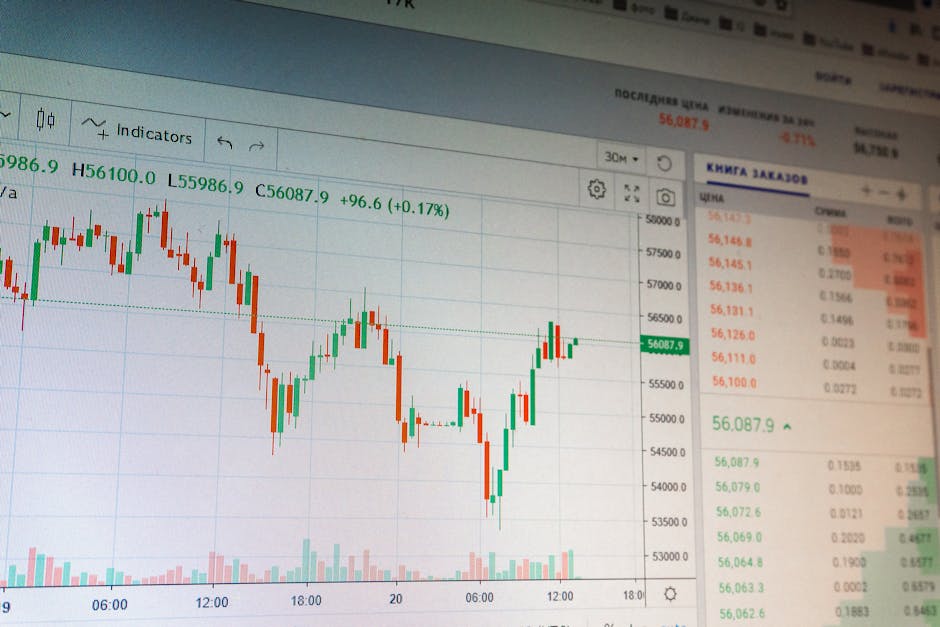
Moomoo, the retail investment platform backed by Futu Holdings, has launched a comprehensive suite of institutional-grade trading tools designed specifically for cryptocurrency investors operating within its ecosystem. This strategic initiative represents a fundamental shift in how retail participants access research, analytics, and execution capabilities traditionally reserved for institutional traders and wealth managers. The move signals a broader recognition within the fintech sector that democratization of financial markets increasingly hinges not merely on price discovery and asset availability, but on the caliber of analytical infrastructure available to individual market participants. By positioning itself at the intersection of retail accessibility and professional-grade functionality, moomoo aims to reshape competitive dynamics in the cryptocurrency trading space during a period when regulatory clarity and infrastructure maturation are attracting substantial new capital flows into digital assets.
The cryptocurrency market has witnessed extraordinary structural evolution since retail adoption accelerated in 2020 and 2021. During those years, barriers to entry collapsed dramatically, with platforms like Coinbase, Kraken, and Binance making digital asset trading accessible to millions globally. However, retail investors consistently faced a critical disadvantage: they operated with fragmented information flows, basic charting capabilities, and limited analytical depth compared to institutional counterparts. This technological disparity became increasingly glaring as cryptocurrency markets matured and professional capital inflows intensified. Simultaneously, regulatory frameworks developed incrementally across jurisdictions, with institutions gradually gaining confidence in infrastructure security and legal certainty. The timing of moomoo's cryptocurrency tools launch arrives at a juncture where institutional adoption has normalized within traditional finance, yet retail investors remain disadvantaged in execution sophistication. This gap represents both a competitive vulnerability and an untapped commercial opportunity for platforms willing to invest meaningfully in technological infrastructure rather than relying on transaction volume alone.
Moomoo's institutional toolkit incorporates multiple components targeting distinct investor needs and operational requirements. The platform provides advanced charting functionality paired with technical analysis capabilities extending beyond the basic candlestick representations familiar to mass-market retail traders. Additionally, the offering includes integrated research streams designed to synthesize market developments and fundamental information relevant to cryptocurrency valuations and trading dynamics. The platform's architecture enables retail participants to construct complex market analysis frameworks, implement sophisticated order types, and execute trades with institutional-level precision. These capabilities represent substantial improvements over baseline offerings that characterized retail crypto trading platforms during earlier adoption phases. The integration of these tools within a single interface reduces fragmentation and improves workflow efficiency, allowing traders to execute strategies without toggling between multiple third-party services or purchasing expensive institutional subscriptions individually. This consolidation represents meaningful operational value beyond raw feature enumeration.
For cryptocurrency traders and investors, these developments carry immediate practical consequences extending beyond abstract platform improvements. Retail participants previously dependent on simplified interfaces and limited analytical resources now gain access to equivalent tools that institutional traders employ, substantially narrowing information asymmetries that previously favored professional players. Enhanced technical analysis capabilities enable more sophisticated entry and exit point identification, directly impacting portfolio performance and risk management outcomes. The availability of integrated research and market commentary reduces time spent aggregating information from disparate sources and decreases susceptibility to information-gathering errors that plague time-constrained individual investors. More substantially, institutional-grade tools reduce the learning curve for retail participants seeking to transition from passive investing to active trading strategies, potentially expanding addressable markets for platforms investing in educational infrastructure alongside analytical resources. For established moomoo users already comfortable with equities and traditional asset trading, these cryptocurrency offerings represent natural portfolio expansion with substantially reduced switching costs, creating powerful network effects that entrench platform loyalty.
This strategic positioning by moomoo reflects broader industry recognition that retail market segments increasingly demand professional-grade infrastructure rather than accepting simplified interfaces as inevitable trade-offs for accessibility. The historical separation between retail and institutional trading tools rested on assumptions about transaction volume economics and customer sophistication distributions that digital markets have fundamentally undermined. Cryptocurrency markets, operating globally on digital infrastructure without geographical constraints that traditionally insulated domestic brokers, display flattened complexity dynamics where retail and institutional participants access identical liquidity pools and face identical execution requirements. Under these conditions, tool sophistication becomes a primary competitive differentiator beyond price competition and brand recognition. The investment by major fintech platforms in professional-grade retail offerings signals confidence that mass-market investors will increasingly demand sophisticated functionality and willingly migrate toward providers delivering equivalent experiences to institutional platforms. This competitive dynamic ultimately benefits market participants by accelerating infrastructure development and pushing the entire industry toward higher standards while reducing rent-capture behavior that previously justified functionality gatekeeping.
Regulatory and competitive developments warrant sustained monitoring to assess whether this trend toward democratized institutional tools accelerates or stabilizes. The Securities and Exchange Commission's ongoing deliberations regarding cryptocurrency exchange-traded funds and spot market regulation will substantially influence institutional capital flows into digital assets, which in turn determines whether retail tools tracking institutional capabilities deliver genuine utility or merely mirror professional features without underlying market liquidity justifying sophisticated analytics. Moomoo's continued product development roadmap merits observation, particularly regarding integration depth with cryptocurrency trading venues and whether the platform develops proprietary analytical capabilities or primarily aggregates third-party tools. Additionally, competitive responses from established cryptocurrency platforms including Coinbase and Kraken will determine whether tool sophistication becomes table stakes across the industry or remains concentrated among fintech generalists expanding into cryptocurrency verticals. Market participants should monitor capital allocation announcements from platforms, as sustained investment in institutional-grade infrastructure requires meaningful resource commitments beyond basic platform maintenance and regulatory compliance obligations.