Supreme Court Justice Amy Coney Barrett’s home targeted in apparent swatting incident
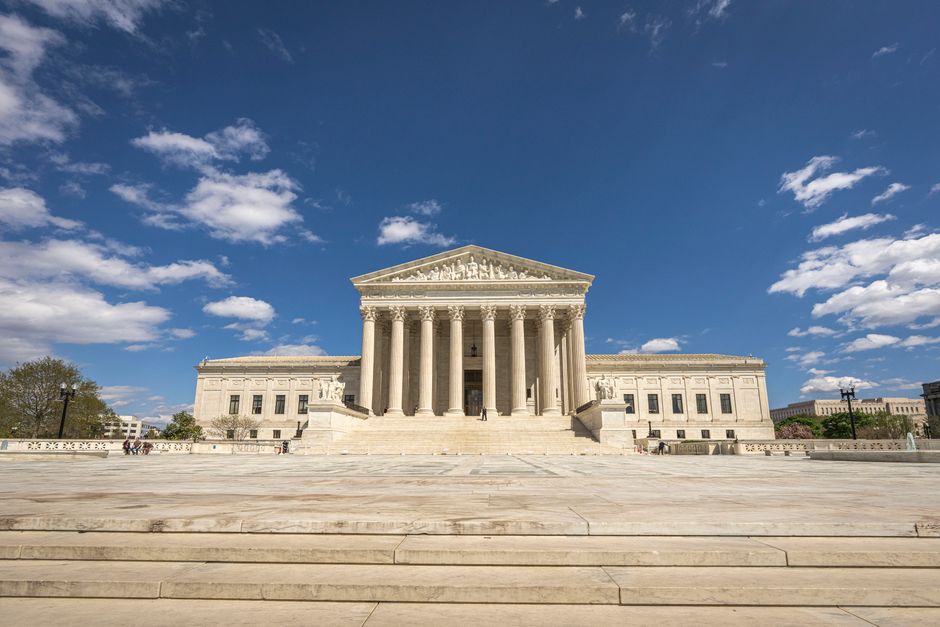
The residence of Supreme Court Justice Amy Coney Barrett in Falls Church, Virginia became the target of what law enforcement officials characterise as a swatting incident on Wednesday evening, marking an escalation in security threats directed at federal judiciary members. The incident unfolded late Wednesday night when emergency dispatchers received a call reporting a hostage situation at the justice's home address. Falls Church Police Department confirmed the incident on Thursday, initiating an investigation into the false report that triggered an emergency response to the residence. This latest episode extends a troubling pattern of intimidation attempts targeting the nation's highest court and its members during an increasingly polarised political moment. The targeting of Supreme Court justices through swatting represents a dangerous convergence of harassment tactics gaining prominence across the political landscape and the intensifying scrutiny faced by the judiciary following landmark decisions in recent years. Swatting, the malicious practice of making false emergency calls to dispatch armed police to a target's address, has evolved from a fringe internet culture phenomenon into a serious criminal threat with potentially lethal consequences.
The incident targeting Justice Barrett's residence arrives within a broader context of heightened tensions surrounding the Supreme Court, particularly following the June 2022 decision overturning Roe v. Wade, a ruling that catalysed unprecedented demonstrations and protest activity outside justices' homes. Prior to the Dobbs decision, security concerns had intensified markedly, with at least one justice confirming that security protocols had been strengthened at residences and workplaces. The targeting of federal judges and justices has become a recognised national security concern, prompting elevated protective measures and legislative responses addressing judicial safety. The Falls Church Police Department's official confirmation of the incident establishes that emergency responders dispatched to the location discovered no legitimate emergency upon arrival, a characteristic element of successful swatting operations. Authorities did not disclose specific details regarding the content of the call or the precise time the incident occurred beyond the Wednesday evening window, though such operations typically involve callers fabricating scenarios designed to trigger maximum police response.
The investigation into the incident remains ongoing, with law enforcement examining call logs and electronic evidence that might identify the perpetrator or network of individuals responsible for the false report. The incident represents one of numerous security threats that have targeted judiciary members in recent years, though specific statistics regarding the frequency of swatting incidents targeting federal judges remain classified or not routinely disclosed in aggregate form by federal agencies. For political observers and institutional accountability analysts, this incident carries immediate significance regarding the physical safety of Supreme Court members and the broader question of whether legitimate political expression has crossed into criminality and intimidation. The timing and targeting of Justice Barrett specifically warrants analytical attention given her prominent role in recent controversial decisions and her status as a more recent appointee whose confirmation itself generated substantial political controversy. The practical consequence of swatting extends beyond the immediate threat posed to residents; such incidents consume law enforcement resources, create genuine danger to both residents and responding officers during high-stress dispatches, and contribute to an environment of fear that may inhibit normal life activities for targeted individuals and their families. From a political stability perspective, the targeting of Supreme Court justices raises fundamental questions about the rule of law and whether institutional actors can function effectively under conditions of sustained security threats.
The incident also complicates the judiciary's insulation from ordinary political pressures, a foundational principle of American constitutional governance. The broader landscape suggests that security threats targeting federal judicial officials have become systematised rather than sporadic, reflecting deeper polarisation surrounding judicial decisions and a willingness among some actors to employ illegal intimidation tactics. The incident targeting Justice Barrett's residence follows prior documented security breaches involving other justices, including the arrest of an individual who travelled to Justice Brett Kavanaugh's residence with indicated intent to cause harm. This pattern indicates that swatting operations targeting judiciary members represent a troubling trend rather than isolated incidents, potentially signalling that digital harassment tactics have migrated into the realm of coordinated intimidation campaigns against official actors. The evolution of swatting from entertainment-oriented internet harassment into a tool for political intimidation reflects a broader erosion of norms surrounding acceptable forms of political expression and dissent. When viewed alongside threats directed at elected representatives, election workers, and other government employees, the targeting of Justice Barrett's residence represents one data point within a larger pattern of escalating physical threats targeting government officials across institutional boundaries.
The immediate investigative path forward focuses on federal and local law enforcement coordination through agencies including the FBI, which typically assumes jurisdiction over threats targeting federal officials, and the Capitol Police force, which maintains protective responsibilities for Supreme Court members. Readers should monitor developments from the Department of Justice's Civil Rights Division, which oversees federal prosecutions of violent threats and intimidation targeting government officials, for any public announcements regarding charges or conclusions in this specific case. Additionally, Congress may revisit the Judicial Safety and Security Improvement Act and related legislative proposals designed to strengthen protections for federal judges and their families, with such deliberations likely to occur during the next legislative session beginning in January. The underlying question of whether current security measures prove adequate, both for Justice Barrett and the broader judiciary, will likely inform policy discussions among Democratic and Republican leadership in coming months, particularly if additional incidents emerge. Finally, civil liberties advocates and institutional watchdogs should examine whether legitimate First Amendment-protected protest activity becomes conflated with or overshadowed by criminal intimidation campaigns, a distinction that will require careful analysis as the political conversation surrounding judicial security continues to develop.