'Stranger Things,' 'Monster' Directors and More Unpack Storytelling Techniques and Embracing 'Weird Ideas'

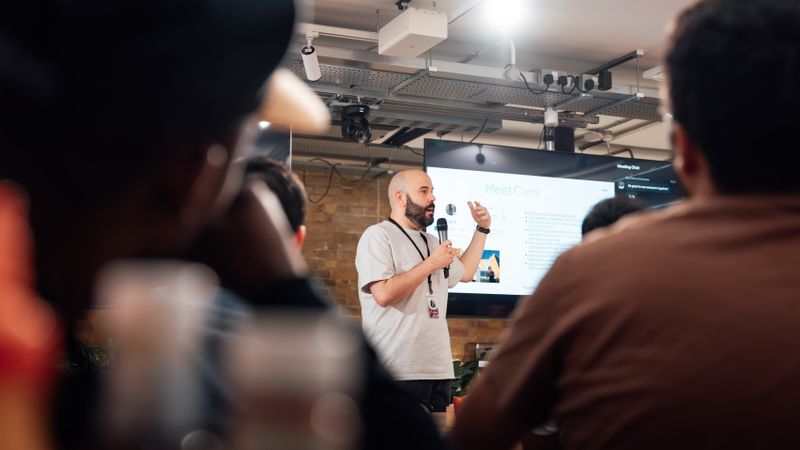
Leading creative voices from Netflix's roster of acclaimed productions assembled recently to engage in a comprehensive discussion regarding their artistic methodologies and narrative approaches, with conversations facilitated by Variety in partnership with the streaming platform itself. Antonio Campos, helmer of "The Beast In Me"; Max Winkler, who directed "Monster: The Ed Gein Story"; and Alexandria Stapleton, whose documentary work includes projects examining contemporary cultural figures, convened to dissect the mechanics of storytelling across documentary and narrative formats. This gathering of directorial talent underscores Netflix's sustained investment in cultivating relationships with established and emerging filmmakers whilst simultaneously documenting the creative thinking that distinguishes its most celebrated content from competitors. The forum provided rare insight into how Netflix's most successful directors conceptualize, develop, and execute projects that have achieved both critical recognition and audience engagement during a period when the streaming landscape faces intensified competition and audience fragmentation.
The convergence of these directors' perspectives arrives at a moment of significant transformation within the entertainment industry, where streaming platforms have evolved from content distribution mechanisms into primary incubators for cinematic and televisual storytelling. Netflix's prominence across multiple genre categories—from prestige documentaries to genre-bending narrative series—reflects a deliberate strategy to position the platform as a comprehensive creative destination rather than a repository for licensed content. The recent years have witnessed sustained critical acclaim for Netflix originals, yet the streaming sector simultaneously confronts challenges regarding subscriber retention, password-sharing enforcement, and the need to justify premium pricing against traditional broadcasting and theatrical alternatives. These directorial conversations assume particular relevance because they demonstrate Netflix's commitment to foregrounding creative philosophy as a differentiator; the platform recognizes that sustained competitive advantage requires more than algorithmic recommendation systems or production budgets, necessitating instead a cultivation of distinctive directorial voices and artistic coherence that audiences can identify and pursue.
The specific involvement of these three directors reveals Netflix's deliberate curation of storytelling approaches that embrace unconventional subjects and perspectives. Winkler's "Monster: The Ed Gein Story" represents a sustained genre exploration, adding to the expanding catalog of true-crime narratives that have become integral to Netflix's content strategy, whilst simultaneously promising distinctive visual and narrative treatment of potentially familiar subject matter. Stapleton's documentary work demonstrates the platform's investment in non-fiction projects that extend beyond straightforward biographical examination, incorporating investigative rigor and contemporary cultural analysis. Campos' contributions span multiple narrative registers, indicating Netflix's interest in directors capable of navigating tonal complexity and thematic ambiguity. The deliberate selection of these particular filmmakers for a moderated discussion signals Netflix's recognition that audience loyalty increasingly attaches to directorial sensibility and creative vision rather than franchise affiliation alone, distinguishing its approach from traditional studio models that historically prioritized intellectual property control above auteur recognition.
The implications of this directorial engagement for entertainment audiences extend beyond abstract considerations of artistic merit or creative autonomy. For viewers navigating an overwhelming array of streaming content options, these conversations illuminate the specific creative choices and conceptual frameworks that distinguish acclaimed productions from formulaic alternatives. Understanding how Winkler approaches the challenges of revitalizing established true-crime narratives, or how Stapleton constructs documentary narratives examining complex contemporary figures, provides audiences with contextual frameworks for evaluating content choices and identifying productions aligned with their aesthetic preferences. The emphasis on "embracing weird ideas," as referenced in the forum's framing, signals that Netflix's most celebrated projects frequently occupy unconventional narrative territory rather than retreating into demographic-tested formula. For industry professionals—screenwriters, producers, cinematographers—these conversations establish permission structures for creative risk-taking and stylistic experimentation, effectively broadcasting that Netflix's development and greenlight processes reward distinctive vision over derivative safety. The platform's public amplification of these creative processes through partnership with Variety represents a marketing strategy that positions Netflix as intellectually serious and artistically ambitious, directly counteracting perceptions of streaming content as primarily entertainment-driven rather than artistically consequential.
These directorial conversations illuminate broader patterns within contemporary entertainment production, particularly the increasing significance of documentary and true-crime narratives as prestige content categories. The assembly of Campos, Winkler, and Stapleton demonstrates that Netflix has determined non-fiction and genre-inflected narrative approaches warrant equivalent resources, promotion, and critical attention as traditional dramatic series. This represents a notable departure from historical hierarchies that positioned documentary production as secondary to narrative filmmaking in terms of budgetary allocation and prestige recognition. The emphasis on creative process and conceptual innovation suggests that contemporary audiences increasingly distinguish between documentary and narrative categories based on directorial approach rather than form alone; a "Monster" project directed by an established filmmaker like Winkler carries different expectations and appeal than similar content produced under standard procedural formats. Furthermore, the public emphasis on welcoming unconventional creative proposals indicates Netflix's strategic positioning as a haven for directorial voices potentially constrained within traditional studio structures, where committee-driven development processes frequently privilege market-tested concepts. This approach effectively positions Netflix as an alternative patronage system, replacing theatrical studio infrastructure with algorithmic distribution and global subscription audiences.
Entertainment stakeholders should monitor several specific developments and junctures that will reveal whether these stated commitments to creative autonomy and unconventional storytelling translate into sustained production patterns and resource allocation. Observing Netflix's greenlight decisions for documentaries and narrative projects from this directorial cohort throughout 2024 and into 2025 will provide concrete evidence regarding whether the platform's rhetorical embrace of "weird ideas" reflects genuine strategic priority or functions primarily as promotional messaging. The performance metrics of projects directed by these creators—measured through completion rates, subscriber retention correlation, and critical reception—will indicate whether audiences reward the creative risk-taking that these conversations emphasize. Additionally, tracking whether Netflix's development processes formally incorporate these stated creative philosophies, or whether greenlight decisions continue prioritizing demographic targeting and algorithmic optimization, will reveal the genuine influence of these directorial voices on institutional decision-making. Competitors including Amazon Prime Video, Apple TV Plus, and traditional studios' streaming initiatives will likely respond to Netflix's positioning of creative autonomy as competitive advantage, potentially altering industry-wide expectations regarding directorial involvement in development and post-production processes. The sustained visibility and resource allocation afforded to documentary and true-crime narratives within Netflix's 2024 and 2025 slates will provide measurable evidence regarding whether this conversation represents strategic commitment or temporary promotional positioning within competitive streaming markets.