
'Star Wars' comes for Trump: A dark evil rises again in Hollywood
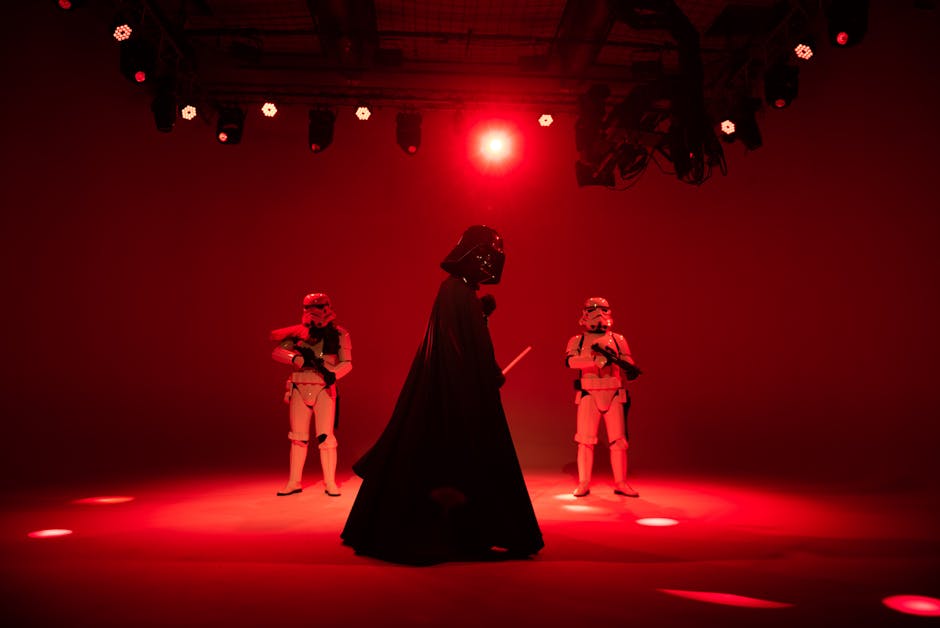
Tony Gilroy, the acclaimed screenwriter and director behind the Bourne franchise's most critically sophisticated installments, has emerged as an unexpected voice in the intersection of entertainment and contemporary American politics. The creative force behind films such as "Michael Clayton" has channeled his substantial platform and narrative expertise into commentary that directly engages with the political landscape of the Trump era. His recent statements linking the rhetoric and imagery of authoritarian governance to Hollywood storytelling conventions represent a notable instance of a major entertainment figure deploying the language of cinema to frame broader political concerns. This convergence of artistic interpretation and political messaging illuminates how established cultural institutions continue to grapple with the challenges posed by populist movements and institutional critique in American public discourse.
The relationship between Hollywood content and political messaging has long been contentious terrain, but the specific context of the Trump presidency and its aftermath has intensified scrutiny over how the entertainment industry engages with such narratives. Gilroy's intervention occurs within a broader cultural moment where filmmakers and writers have felt compelled to respond, either directly or obliquely, to what many in the industry perceive as threats to democratic norms and institutional stability. The accumulation of such commentary from established figures within major studios and production houses reflects genuine anxiety among creative professionals about the trajectory of American politics, even as it raises legitimate questions about the relationship between artistic expression and advocacy. This pattern has intensified particularly since 2021, as the industry has grappled with the January 6 Capitol riot and its implications for American democracy, creating an environment where political allegory in entertainment has become more explicit rather than merely subtextual.
Gilroy's specific articulation of concern centers on the recognition that language and narrative framing represent tools of considerable political significance. His body of work demonstrates sophisticated understanding of how institutional power functions and how individuals navigate ethical complexities within systems designed to obscure accountability. The Bourne films, which generated substantial cultural impact during the 2000s wars in Iraq and Afghanistan, established Gilroy's reputation for deploying genre conventions to examine questions of state power and individual conscience. His statement that "words matter" signals an awareness that the deliberate deployment of particular linguistic and narrative frameworks carries real-world consequences for how citizens understand political reality. This insight from a director whose films have consistently interrogated institutional mechanisms suggests that his political commentary emerges not from abstract ideological commitment but from professional experience with how storytelling shapes perception.
For readers focused on contemporary American politics, Gilroy's intervention warrants attention because it demonstrates how figures embedded within major cultural production systems assess political risks in real time. The choice by an established Hollywood figure with access to substantial resources and audience reach to engage in explicit political commentary, rather than remaining silent or deflecting through claims of artistic neutrality, indicates assessments within the entertainment industry about the stakes involved in the current political moment. When creators of Gilroy's stature elect to connect their professional expertise in narrative construction to political analysis, they are functioning as interpreters of contemporary reality whose judgments may influence how millions of citizens process information about governance and institutional legitimacy. The specific focus on the rhetorical and symbolic dimensions of political movements, rather than policy disagreements, suggests concern about foundational mechanisms of democratic discourse rather than conventional partisan competition. This reflects a calculation that certain political developments represent qualitatively different threats requiring explicit response rather than artistic distance.
The broader significance of established entertainment figures adopting more overtly political stances points to a wider realignment in how cultural institutions perceive their relationship to political systems. Historically, entertainment industry figures have maintained varying levels of political engagement, from complete detachment to selective activism around specific causes. The contemporary moment appears to feature increased willingness among major creative figures to foreground political concern within their professional roles and public statements. This pattern extends beyond individual actors or directors to institutional positions within studios and production companies that have incorporated statements about democratic values and institutional integrity into corporate messaging. The convergence of entertainment criticism and political analysis in the work and commentary of figures like Gilroy reflects a judgment among significant portions of the creative class that the political stakes have reached a threshold requiring more direct engagement. Whether this represents a durable shift in entertainment industry culture or a temporary response to perceived crisis conditions remains an open question with important implications for media literacy and the relationship between cultural production and political discourse.
Observers of this landscape should monitor several specific developments to understand how these dynamics continue to evolve. The 2024 election cycle and its immediate aftermath will provide concrete evidence regarding whether entertainment industry figures maintain current levels of political engagement or whether such involvement recedes to previous patterns. Industry organizations including the Writers Guild of America and the Directors Guild of America have increasingly incorporated political and institutional concerns into their policy positions, and their formal statements in coming months will indicate whether this trajectory continues. Additionally, the content emerging from major studios and streaming platforms through 2024 and 2025 will reveal whether political anxiety among creative professionals translates into substantive shifts in storytelling choices and the narratives prioritized for production investment. Tracking both explicit statements from figures like Gilroy and implicit messaging within major entertainment properties will provide nuanced understanding of how the entertainment industry's relationship to political discourse continues to shift, and whether entertainment remains a space where political questions receive serious artistic treatment or retreats to more conventional entertainment functions.


