Philip Ettinger & William Catlett Star In 'A Land Remembered' $25M Series Based On Book Independently Produced With Florida Backing
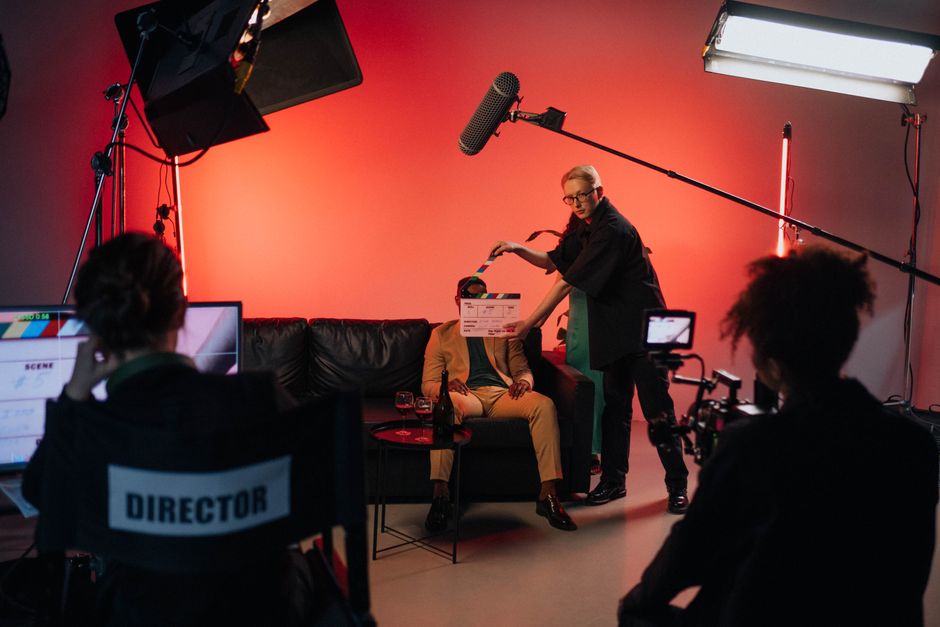
The adaptation of Patrick D. Smith's historical novel "A Land Remembered" has officially commenced principal photography in Florida, marking a significant investment in regionally-produced scripted television content. The production brings together accomplished ensemble cast members including Philip Ettinger, known for his critically-lauded performances in "First Reformed" and "Bupkis"; Lily McInerny, recognized from Hulu's "Tell Me Lies" and the film "Palm Trees and Power Lines"; and William Catlett, whose recent credits include "A Thousand and One" and "Abigail." Operating with a production budget of twenty-five million dollars and benefiting from financial backing rooted directly in Florida's media development ecosystem, the series represents a notably ambitious undertaking designed to translate Smith's acclaimed literary work into prestige television format. The project's origins in independent production rather than a conventional studio framework underscore a shifting approach to funding and developing content outside traditional Hollywood structures.
The decision to develop "A Land Remembered" as a television series reflects broader industry recognition of the commercial and cultural value embedded within regional literary properties. Patrick D. Smith's original novel, published decades ago, achieved substantial commercial success and established itself within Florida's cultural consciousness as a defining work exploring the state's frontier heritage and colonial development. The contemporary adaptation arrives during a period when television networks and streaming platforms actively seek source material with established reader bases and geographic specificity that can anchor productions within particular regions. This strategic approach serves multiple functions: it capitalizes on existing fan communities, creates marketing advantages through established brand recognition, and allows production entities to develop distinctive programming that differentiates their offerings within an increasingly saturated streaming landscape. The choice to film primarily in Florida rather than relocating production to established entertainment hubs demonstrates a deliberate economic and creative strategy that emphasizes authenticity of setting while simultaneously capturing regional production incentives and infrastructure.
The twenty-five million dollar budget allocation represents a substantial capital commitment that places "A Land Remembered" within the upper tier of contemporary prestige television production values. This financial scale enables sophisticated cinematography, extensive location-based filming across Florida's varied topography, and the recruitment of established television and film actors capable of anchoring an ensemble-driven narrative. The involvement of Ettinger, whose work with filmmaker Paul Schrader in "First Reformed" demonstrated his capacity for nuanced, character-driven performance work, alongside McInerny's recent prominence in successful streaming series, and Catlett's demonstrated range across independent and studio productions, reflects deliberate casting decisions designed to ensure both critical credibility and audience appeal. The independent production framework, supplemented through Florida-based financial backing rather than conventional studio financing, suggests that regional development agencies and private investors identified sufficient commercial and cultural potential in the source material to justify substantial capital deployment. This funding structure indicates confidence that the finished product can achieve competitive positioning within the crowded prestige television marketplace.
For entertainment industry observers, this production's development holds specific significance regarding the viability of regionally-anchored productions operating outside traditional studio systems. The decision to fund and produce "A Land Remembered" through independent mechanisms with Florida state support demonstrates that established actors of Ettinger and Catlett's caliber will engage with projects structured outside conventional Hollywood deal frameworks, provided the creative vision and material quality warrant participation. This pattern reflects evolving career calculations among mid-tier professional actors who increasingly balance traditional studio and streaming platform commitments with selective independent projects that offer creative autonomy and thematic substantiveness. For production companies and regional development entities, the undertaking validates investor appetite for prestige television content grounded in specific geographic locations and derived from literary sources with demonstrable regional significance. The project's greenlight also signals to other authors and literary estates with regionally-important works that contemporary television economics can accommodate substantial adaptations of backlist novels that might previously have languished in development limbo.
The emergence of "A Land Remembered" as a major production initiative illuminates broader industry trends regarding the disaggregation of content financing and the increasing role of regional economies in supporting prestige television development. Rather than requiring central studio backing, the production illustrates how combinations of independent producers, regional investment sources, and strategic actor participation can generate sufficient resources and credibility to mount sophisticated television productions. This financing model offers alternatives to the consolidated studio system that has historically gatekept access to major production resources and distribution pathways. The adaptation also participates in a discernible contemporary pattern wherein literary properties with strong geographic specificity and historical resonance receive television adaptation, particularly when those properties possess established commercial viability within their source regions. Beyond mere financial considerations, the project's production represents cultural recognition that American regional narratives merit prestige television treatment and can generate programming with national and international appeal without requiring location-neutral, universally-generic storytelling approaches.
Industry participants should monitor the production's development trajectory, with particular attention to the series' completion timeline and anticipated distribution arrangements, which will substantially determine whether the investment model demonstrates replicable success for future regionally-backed productions. The achievement of completion within budget and schedule parameters would validate the independent financing structure to prospective investors considering similar ventures, while any significant overruns or production complications could dampen regional investor enthusiasm for future prestige television projects. Observers should also track the eventual distribution platform selected for the series' release, as the nature of that distribution arrangement will clarify whether the production targets traditional linear broadcast networks, subscription streaming services, or emerging hybrid distribution models. The critical and audience reception of "A Land Remembered" upon its eventual release will fundamentally influence whether other literary estates with regionally-important properties pursue adaptation agreements under similar financing structures, potentially catalyzing a broader shift in how prestige television content achieves funding and development outside traditional studio mechanisms.