Over 160K sign petition opposing data center next to Nashville Zoo; mayor weighs in
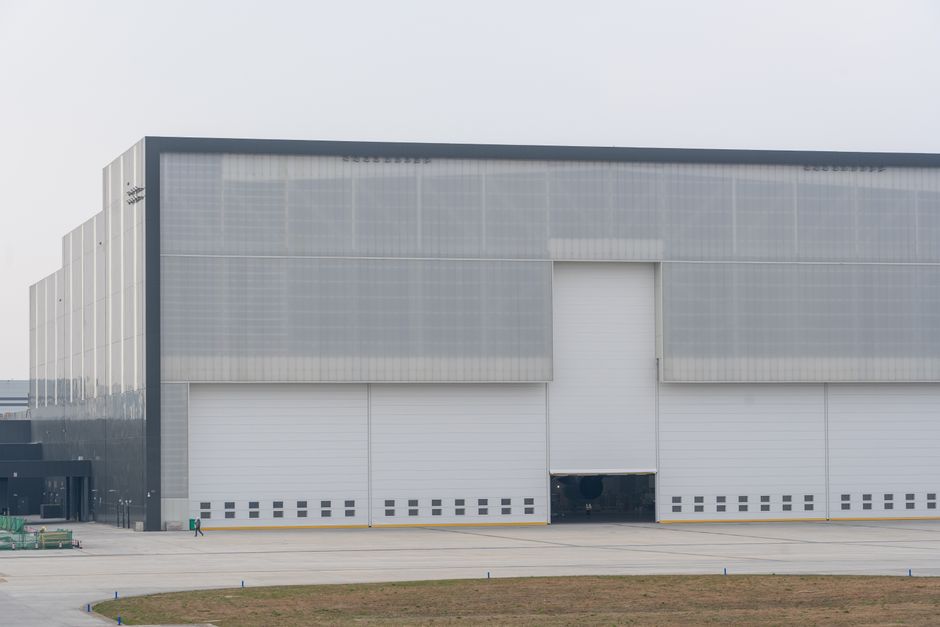
More than 160,000 Nashville residents have signed a petition expressing opposition to a proposed data center development adjacent to the Nashville Zoo, triggering significant political and civic engagement around land use decisions in Tennessee's capital city. The facility, which would occupy a footprint larger than a football field, has emerged as a focal point for community debate regarding infrastructure development, environmental stewardship, and the competing demands of technological progress versus quality of life preservation. The mayor's involvement in the matter signals that this dispute has transcended typical zoning disputes to become a prominent political issue requiring executive attention. This confluence of grassroots opposition, institutional concern from the zoo, and mayoral engagement demonstrates how large-scale commercial development can catalyze political mobilization in urban centers, even when those developments promise economic returns through job creation and tax revenue generation.
The data center proposal arrives at a moment when Nashville is experiencing significant transformation as a growing technology hub and major tourist destination. The city's economy has diversified substantially over the past decade, with technology sector investments accelerating alongside traditional tourism revenue streams generated by the country music industry and entertainment venues. Concurrently, Nashville has become a focal point for national conversations about urban growth, preservation of established neighborhoods, and the tension between development ambitions and resident quality of life. The Zoo's location in a well-established residential and recreational area of the city makes it a symbolic anchor for community identity, which explains why proximity to such a major development proposal has generated political friction. Understanding this context illuminates why this particular data center proposal has become newsworthy: it represents a larger struggle occurring in many American cities regarding how municipalities balance private sector expansion with public amenity protection.
The scale of opposition articulated through the petition mechanism reveals the depth of public concern about this specific project. The more than 160,000 signatures collected represent a substantial mobilization of Nashville's civic population around a single land use issue, indicating that residents view this matter with considerable seriousness. Zoo officials themselves have emerged as institutional voices within this debate, raising operational concerns about how a major data center development adjacent to their facilities might affect animal welfare, visitor experience, and the organization's long-term viability as a community institution. The mayor's public weighing in on the matter further underscores that this development proposal has become a political question requiring executive consideration rather than remaining purely within technical zoning and planning channels. These elements collectively establish that the opposition to this project extends beyond isolated neighborhood objections to encompass broader public concern and official institutional skepticism.
For Nashville's political leadership and development stakeholders, this situation presents an immediate practical challenge with significant political dimensions. Approving the data center despite overwhelming public opposition could damage mayoral credibility and generate political vulnerability in future elections, particularly among engaged voters who have demonstrated their capacity for organized action. Conversely, blocking or substantially limiting the project might discourage future technology sector investments and create uncertainty around the city's commitment to accommodating commercial development that could generate employment and tax revenue. City planners and the mayor must navigate between constituent preferences and economic development goals, a tension that will likely define municipal policy discussions across multiple American cities as technology infrastructure becomes increasingly central to economic activity. The specific geographic proximity to the Zoo creates additional complications, as it raises legitimate questions about compatibility between industrial-scale data infrastructure and a major recreational and educational institution that serves hundreds of thousands of annual visitors.
This Nashville development proposal reflects a broader pattern observable in rapidly growing American cities where technology infrastructure needs collide with established community preferences and institutional operations. Data centers represent a critical component of digital economy infrastructure, requiring substantial physical footprints and specific utility access that often locate them near population centers where data usage concentrates. However, these facilities can generate environmental impacts including significant energy consumption, cooling water requirements, and electromagnetic considerations that legitimate institutional actors and resident populations reasonably scrutinize. The intersection of this case with public institutions like zoos, schools, or hospitals amplifies political salience because elected officials face clearer accountability for decisions affecting widely valued community assets. Nashville's experience thus exemplifies a governance challenge that will intensify as technology sector growth continues and municipalities compete for economic development while simultaneously managing resident expectations about environmental quality and community character preservation.
Observers should monitor the Nashville mayor's formal decision on this proposal, anticipated through the city's planning and zoning approval processes, as it will signal how local leadership balances growth imperatives against organized public opposition. The Zoo's own advocacy position regarding the development will prove instructive, particularly if institutional leadership formally opposes the project through official submissions to planning authorities or through public statements detailing specific operational concerns. Beyond Nashville specifically, this case warrants attention as a potential template for how civic participation mechanisms and grassroots organization can influence major development decisions in American cities. The broader trajectory of Nashville's technology sector recruitment efforts and whether this controversy affects the city's attractiveness to future corporate investments will provide important data regarding whether community opposition meaningfully shapes business location decisions. Technology sector organizations and development advocacy groups are likely monitoring this outcome closely, recognizing that municipal receptiveness to data center development affects their operational planning and future facility investments across the Southeast region.