'Office Romance' Star Betty Gilpin on Using a Prosthetic Vagina for Her Birthing Scene: 'I Was Pretty Freaked Out'
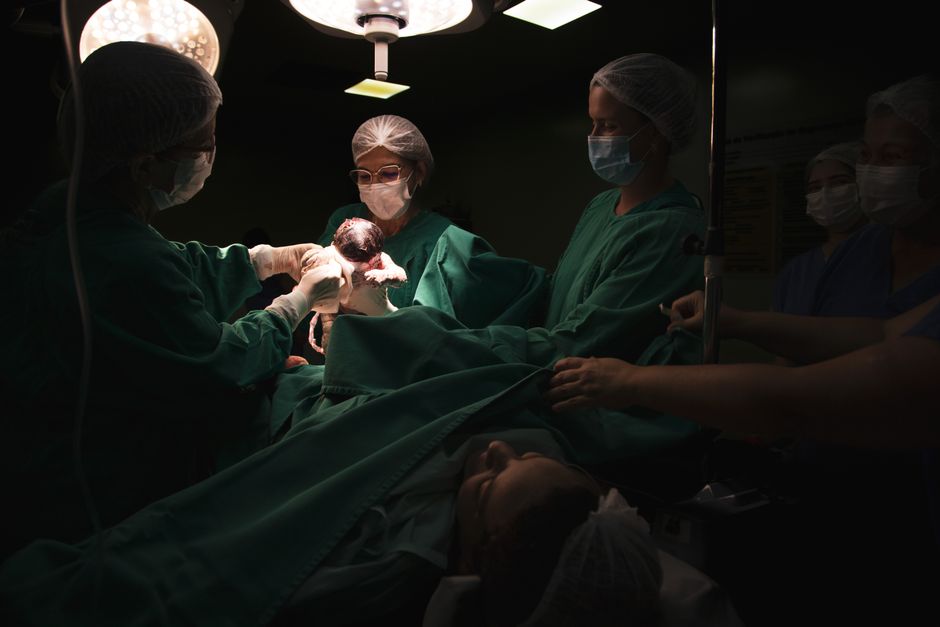
Actress Betty Gilpin has disclosed the unconventional production demands she encountered while filming a labour sequence for the forthcoming romantic comedy "Office Romance," which pairs Jennifer Lopez and Brett Goldstein in leading roles. Speaking candidly at the film's Los Angeles premiere, Gilpin revealed that her participation in the birthing scene required the use of a prosthetic vagina, a creative choice that initially provoked significant apprehension on set. The candid nature of her remarks underscores a broader shift in how contemporary cinema approaches intimate bodily functions and the frank depiction of female reproductive experiences. Gilpin's willingness to discuss the technical realities of filmmaking with such transparency reflects evolving industry standards regarding the destigmatization of naturally occurring bodily processes in mainstream entertainment. Her comments arrive at a pivotal moment when major studio productions increasingly incorporate authentic representations of pregnancy, labour, and postpartum experiences previously relegated to marginal artistic spaces or avoided entirely by commercial filmmakers seeking broader appeal.
The decision to incorporate a realistic birthing sequence into a mainstream romantic comedy represents a notable departure from established genre conventions, which have historically sidestepped or minimised depictions of labour entirely. Traditional romantic comedies typically employ narrative shortcuts, fade-to-black techniques, or narrative ellipsis to avoid engaging substantively with childbirth as a central plot element. The inclusion of such material in "Office Romance," a film distributed by a major studio and featuring A-list talent like Lopez and Goldstein, signals meaningful changes in what audiences expect from contemporary storytelling and what filmmakers perceive as commercially viable content. The context matters significantly: Lopez, a prominent figure who has been vocal about motherhood throughout her career, lending her presence to a project willing to foreground female bodily experience carries symbolic weight beyond the immediate narrative framework. This development emerges within a cultural moment characterised by increased discussion around reproductive autonomy, maternal representation in media, and the aesthetic legitimisation of processes long considered unsuitable for polite entertainment discourse.
Gilpin's description of her emotional reaction to encountering the prosthetic device provides crucial insight into the psychological dimensions of creating such scenes. She characterised her initial response as constituting a nervous breakdown before achieving a mental shift that allowed her to proceed with the work. The actress's candid acknowledgment that the prosthetic appearance proved genuinely unsettling demonstrates the distinction between intellectual acceptance of a creative concept and embodied response to encountering such materials in practical production circumstances. The decision to employ prosthetics rather than relying on digital effects or narrative avoidance reflects specific production choices regarding authenticity and tactile realism. Such technical specifications matter because they reveal the production's commitment to creating visually convincing sequences that communicate genuine labour experiences rather than sanitised or abstracted alternatives.
For entertainment industry professionals and enthusiasts, Gilpin's testimony illuminates the invisible labour undergirding mainstream cinema—the countless decisions, manufactured components, and personal discomfort that audiences never witness but which fundamentally shape what appears on screen. The normalisation of discussions around prosthetics, bodily authenticity, and professional vulnerability in service of storytelling contributes to demystifying film production while simultaneously validating the experiences of performers who navigate uncomfortable territory in pursuit of artistic goals. Beyond the specific mechanics of this particular scene, Gilpin's openness about her initial distress and subsequent adjustment models a form of professional candour increasingly valued in contemporary entertainment discourse. For viewers and industry observers, understanding that major studio productions now feature scenes requiring actresses to interact directly with anatomically explicit prosthetics represents tangible evidence that content boundaries continue expanding in measurable ways. This shift carries practical implications for casting directors, producers, and performers themselves, who must now engage forthrightly with the physical and emotional demands of contemporary scripts featuring reproductive content without euphemism or evasion.
The broader pattern suggested by this narrative points toward a recalibration of commercial cinema's relationship with female embodiment and the quotidian realities of reproduction. Historically, Hollywood maintained an implicit understanding that certain bodily experiences remained inappropriate for mainstream narrative treatment, effectively rendering female reproductive capacity invisible within entertainment media despite its obvious centrality to human experience. The integration of birthing sequences, pregnancy depiction, and frank discussion of labour into comedic narratives—ostensibly the least likely genre to engage such material—indicates that gatekeepers perceive market demand for more comprehensive female representation. This trend extends beyond isolated instances; multiple recent productions have moved toward depicting pregnancy and parenthood with greater specificity and less sentimentality. Gilpin's willingness to discuss the physical apparatus enabling such depictions contributes to a larger conversation about stripping away artistic pretense and acknowledging the constructed nature of cinematic realism. These developments suggest that audiences increasingly expect entertainment properties to reflect the full spectrum of human experience rather than maintaining carefully curated sanitisation around reproductive processes.
Observers should monitor several forthcoming developments that will indicate whether this trajectory represents sustained industry change or passing commercial opportunism. The reception of "Office Romance" upon its theatrical release will provide crucial data regarding audience appetite for romantic comedies featuring authentic labour depiction; box office performance and critical reception will signal whether mainstream viewers embrace such content or resist it. Additionally, tracking how major studios greenlight reproductive-focused narratives in subsequent development cycles will reveal whether contemporary interest reflects genuine creative commitment or demographic targeting of specific audience segments. Industry bodies including the Producers Guild of America and the Directors Guild of America may begin establishing formal guidance regarding accommodations and support systems for performers engaging with explicitly bodily material, representing institutional recognition of evolving production standards. The convergence of these factors—performer visibility, audience response, critical evaluation, and institutional policy development—will determine whether 2024 represents a genuine inflection point in mainstream entertainment's relationship with female embodiment or merely a momentary departure from established conventions.