Missing Syrian chess champion’s children likely dead, authorities say
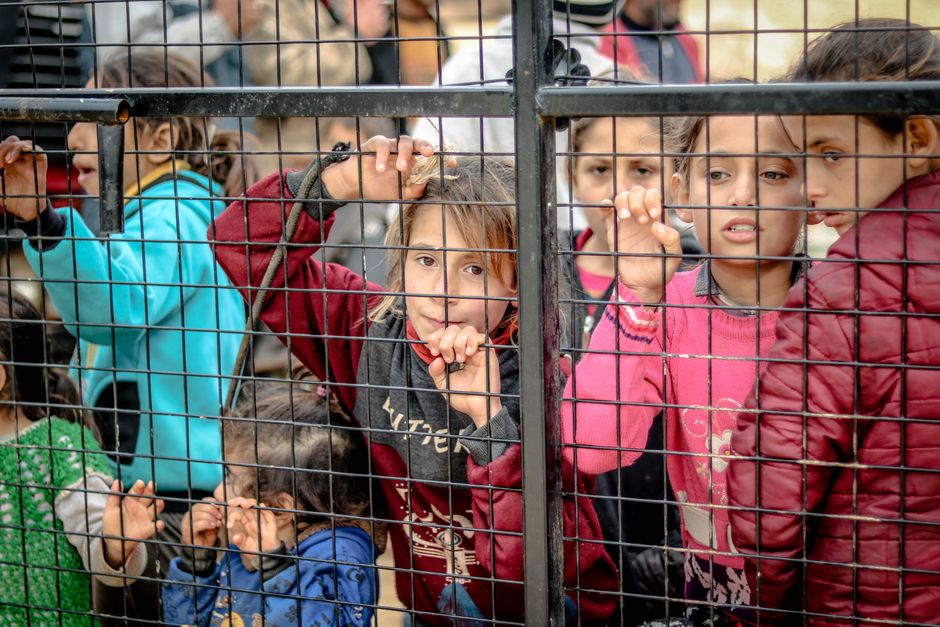
The Syrian authorities have formally confirmed that six children of Rania al-Abbasi, the internationally recognized chess champion whose disappearance in 2013 marked one of the regime's most prominent missing persons cases, are now believed to be dead. The confirmation came through official channels in Damascus, representing a grim resolution to a decade-long mystery that captured international attention and symbolized the broader humanitarian crisis engulfing Syria during Bashar al-Assad's rule. The al-Abbasi family's fate emerged during ongoing investigations into enforced disappearances that characterized the Assad regime's governance, particularly in the years following the outbreak of Syria's civil war. This development underscores the systematic nature of state-sponsored abductions that displaced and devastated countless Syrian families, transforming a personal tragedy into a window onto the mechanisms of authoritarian control that defined the country's recent history.
The disappearance of al-Abbasi and her children occurred during a period when Syria's conflict was intensifying, and governmental institutions were increasingly weaponizing detention as an instrument of political suppression and social control. Following the initial anti-government protests in 2011, the Assad regime's security apparatus methodically targeted perceived opponents, activists, and in many cases, their families, using enforced disappearances as a strategy to instill fear and eliminate dissent. Al-Abbasi's prominence as a chess champion, combined with her family's visibility, made her case particularly significant—international chess federations and human rights organizations repeatedly called for information regarding her whereabouts. The confirmation of her children's deaths arrives at a moment when Syria's transitional landscape is shifting, with the regime's control gradually fragmenting and international scrutiny intensifying regarding documentation of past atrocities. Understanding this case within the broader context of Syria's conflict clarifies how ordinary families, regardless of their professional standing or international recognition, became casualties of state apparatus designed to eliminate perceived threats through extrajudicial means.
The Syrian authorities' confirmation derives from investigative work conducted by relevant commissions examining cases of enforced disappearance—a category that encompasses the majority of Syria's estimated 100,000 missing persons since the conflict's outbreak. Documentation efforts have concentrated on identifying remains, establishing timelines of detention, and determining circumstances surrounding detainees' deaths in regime custody. The case of al-Abbasi's six children, disappeared alongside their mother in 2013, represents one segment of what international organizations have characterized as systematic extermination policies targeting families associated with opposition elements or perceived regime critics. The confirmation, while providing families with a form of closure, simultaneously validates allegations that the regime deliberately concealed information regarding detainees' fates, compounds evidence of extrajudicial killings, and reinforces documentation that will likely form the foundation for future accountability mechanisms. The formal acknowledgment, however minimal in its specificity, marks a departure from years of governmental denial and obfuscation regarding the whereabouts and conditions of detained individuals.
For Syria's international observers and policymakers, this confirmation crystallizes the tangible human cost of authoritarian governance and enforced disappearance policies. The al-Abbasi case demonstrates how security apparatus targeting political dissidents systematized their approach to encompass entire families, effectively weaponizing kinship relationships as extensions of state control. The death of six children—individuals who possessed no independent political agency or opposition affiliation beyond their maternal connection—illustrates the indiscriminate nature of regime violence when deployed against perceived threats. This pattern carries immediate implications for ongoing reconstruction discussions, international relations with Damascus, and the prospects for transitional justice mechanisms. Nations currently considering normalization of diplomatic relations with Syria must confront documented evidence of systematic extermination targeting civilians, including minors, thereby complicating humanitarian and geopolitical calculations. The confirmation also underscores the urgency of preservation of evidence, identification of remaining detainees, and establishment of accountability frameworks before institutional memory of these crimes potentially fades.
The al-Abbasi case exemplifies a broader pattern characteristic of authoritarian responses to domestic conflict: the targeting of families, the deployment of enforced disappearance as state strategy, and the subsequent denial and obfuscation of responsibility. This approach extends beyond Syria—comparable mechanisms have operated across multiple regimes confronting domestic opposition, suggesting systemic vulnerabilities in international enforcement mechanisms designed to prevent such practices. The confirmation represents a failure of international intervention to protect civilians during the critical period when such protections might have preserved lives; conversely, it validates the methodical documentation efforts pursued by human rights organizations despite the regime's obstruction. The case also illuminates how high-profile individuals, despite their international standing, remain subject to the same state apparatus as ordinary citizens, thereby complicating narratives that distinguish between politically engaged targets and incidental victims. The persistence of such cases across the conflict's duration demonstrates the inadequacy of international monitoring, early warning systems, and protective mechanisms designed to prevent large-scale atrocities.
Moving forward, multiple developments merit sustained observation. International bodies, including the United Nations Commission of Inquiry on Syria and various human rights organizations, will continue cataloging confirmed deaths and investigating remaining cases—the pace and comprehensiveness of such investigations will reveal the international community's capacity for documentation and eventual accountability. Additionally, observers should monitor proceedings of any transitional justice mechanisms, whether through universal jurisdiction in third countries or through domestic Syrian courts, particularly regarding cases involving disappeared children and systematic family targeting. The International Criminal Court's involvement in Syria, though limited by jurisdictional constraints, may advance investigation of patterns demonstrated in the al-Abbasi case. Regional developments and evolving governmental structures in Syria will determine whether accountability mechanisms can function effectively or whether closure for families like al-Abbasi's remains confined to administrative confirmation without substantive justice. The coming months and years will establish whether this confirmation represents a genuine opening toward accountability or merely a bureaucratic acknowledgment that perpetuates impunity while offering families minimal resolution beyond confirmation of death.