Markets rally amid hopes of US-Iran deal
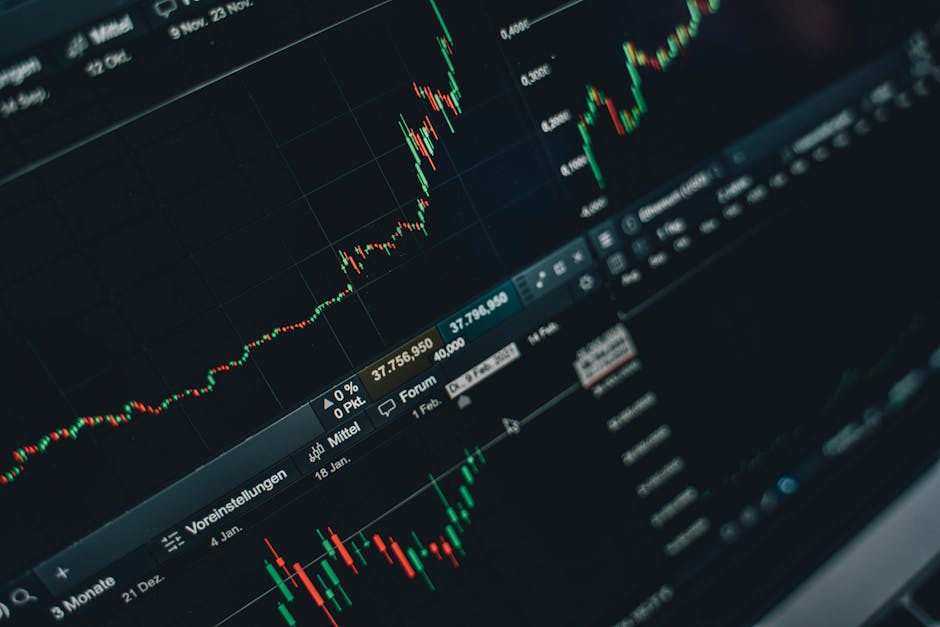
Global financial markets experienced a significant surge this week as optimism grew regarding potential negotiations between the United States and Iran, with investors increasingly confident that a breakthrough could ease tensions in the Middle East and restore stability to international trade routes. Equity indices across major exchanges climbed substantially, with the S&P 500, FTSE 100, and DAX all posting notable gains as traders reassessed their positions in response to diplomatic signals emanating from both governments. The rally reflected a collective market sentiment that geopolitical risks, which have weighed heavily on investor sentiment throughout the year, might finally be approaching resolution. Oil prices, which have remained volatile due to Middle Eastern tensions, showed signs of stabilization as traders bet that a successful agreement could prevent further disruptions to energy supplies flowing through one of the world's most critical maritime passages. The broader market movement underscores how deeply interconnected global financial systems have become with geopolitical developments, particularly those affecting energy security and international commerce. The backdrop for this market enthusiasm stems from months of escalating tensions between Washington and Tehran, which have repeatedly threatened to disrupt the Strait of Hormuz, a waterway through which approximately one-third of all globally traded oil passes daily. Previous incidents involving Iranian maritime activities and American military responses have spooked markets repeatedly, creating an environment of persistent uncertainty that has dampened corporate investment and consumer confidence worldwide.
The economic consequences of potential blockades or military escalation have loomed large in the calculations of policymakers and business leaders across continents, as such scenarios could send oil prices soaring and trigger a global recession. Rising insurance costs for shipping through the region and increased military expenditures have already imposed economic burdens on numerous nations. The prospect of resolving these tensions through diplomatic channels therefore represents not merely a political development but a fundamental shift in the risk environment that determines asset valuations and capital allocation decisions across the globe. Understanding the economic leverage points at stake clarifies why markets have responded so enthusiastically to even preliminary indications of progress toward negotiations. Contemporary discussions between American and Iranian representatives have reportedly focused on several key areas, including sanctions relief, nuclear program verification procedures, and frameworks for future engagement. American officials have indicated a willingness to ease certain petroleum-related sanctions in exchange for concrete Iranian commitments regarding nuclear activities and regional military posturing. Iranian negotiators, according to sources familiar with the discussions, have shown flexibility regarding inspection protocols and timeline considerations for implementation of any potential agreement.
Market analysts have highlighted that even a preliminary agreement could immediately impact oil prices, potentially reducing per-barrel costs by as much as fifteen to twenty dollars if traders believe supply chain risks have diminished substantially. Energy analysts note that such a price reduction would translate into meaningful savings for consumers at petrol pumps worldwide and would significantly reduce operational costs for shipping companies and manufacturers dependent on energy-intensive processes. The specifics of any emerging agreement remain subject to verification, but the mere trajectory of negotiations has proven sufficient to reshape market expectations fundamentally. The international business community has largely welcomed the prospect of improved US-Iran relations, recognizing that persistent hostility disrupts established supply chains and complicates long-term investment planning. Insurance underwriters have indicated they would substantially reduce premiums for vessels transiting the Strait of Hormuz if geopolitical risks genuinely diminish, thereby lowering transportation costs for goods moving between Asian producers and European and American consumers. Manufacturing firms that have diversified their supply chains specifically to avoid Iranian sanctions-related complications have signaled interest in rationalizing operations should political conditions stabilize. Financial institutions, which have faced complex compliance requirements in distinguishing permissible transactions from prohibited Iranian commerce, would benefit from clearer regulatory frameworks that a negotiated settlement might establish.
The prospect of reopening markets in Iran itself, with a population exceeding eighty million people, has captured the attention of multinational corporations across automotive, consumer goods, and telecommunications sectors. Central banks have similarly responded positively, viewing reduced geopolitical risk as supportive of economic growth projections and monetary policy strategies oriented toward lower interest rates. Economic forecasters have emphasized that even if negotiations succeed, implementation challenges could prevent immediate market gains from being sustained indefinitely. Trust-building measures typically require extended verification periods, and parliamentary approval processes in both countries could introduce political complications or delays. The broader global economic environment, which has been characterized by slowing growth, rising inflation, and tightening monetary policies, will ultimately determine whether improved Middle Eastern relations can truly catalyze a sustained recovery in investor sentiment. Some analysts have cautioned that market rallies based on geopolitical optimism frequently prove temporary if underlying economic fundamentals do not support continued growth. The trajectory of American-Chinese trade relations, European recession risks, and emerging market vulnerabilities continue to present substantial headwinds that even resolution of Middle Eastern tensions cannot entirely offset.
Therefore, while the diplomatic progress has unquestionably improved short-term market psychology, longer-term sustainability of gains will depend on whether fundamental economic indicators show corresponding improvement and whether political instability elsewhere does not consume investor attention and capital. Moving forward, several specific developments warrant close monitoring as indicators of whether initial market optimism will prove justified. First, traders and policymakers should carefully observe any official announcements from American or Iranian governments regarding specific sanctions relief measures, timeline for implementation, and verification mechanisms, as these technical details will ultimately determine how substantially supply chains can actually normalize and how dramatically oil prices might decline. Second, energy markets themselves will provide critical signals through crude oil pricing movements and shipping insurance costs, which serve as real-time barometers of market expectations regarding whether proposed agreements will actually prove durable and whether geopolitical risks have genuinely diminished or merely entered a temporary lull. The investment community will be watching whether corporate earnings estimates improve in coming months, suggesting that businesses genuinely believe they can plan with greater confidence in a more stable operational environment. Ultimately, the test of whether these market gains reflect sustainable improvement or merely temporary euphoria will emerge as negotiators produce concrete agreements and implementation procedures that demonstrate the commitment of both parties to resolving differences through sustained diplomatic engagement rather than military confrontation.