Madonna Hopes 'Confessions II' Visualizer Makes Fans "Put Your F*cking Phones Down And Connect"
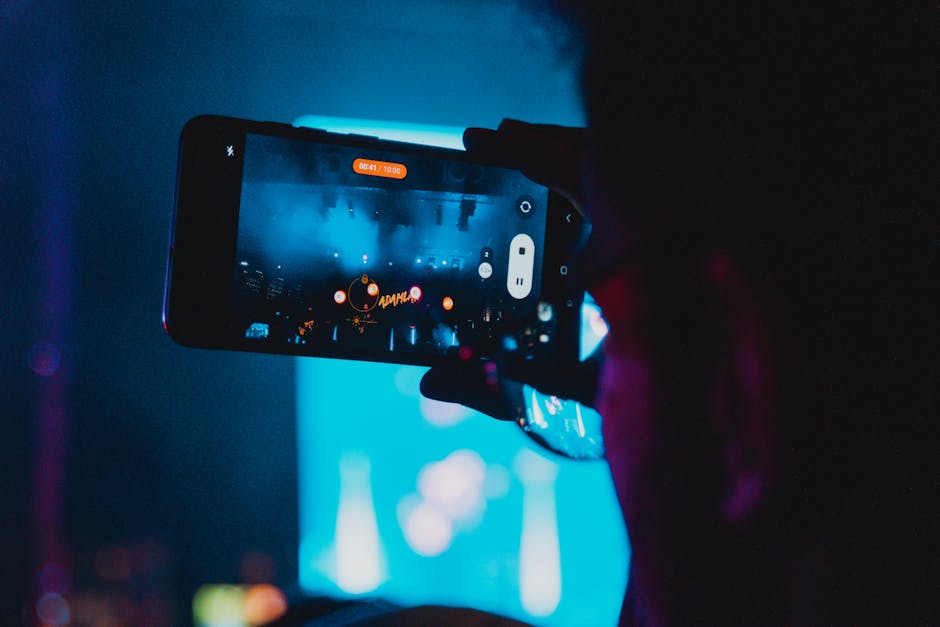
Madonna's deliberate return to New York City this past Friday marked a significant cultural moment as the 7x Grammy Award winner unveiled the visualizer for Confessions II at the Tribeca Film Festival. More than two decades after the original Confessions on a Dance Floor established itself as a defining album of the 2000s, the pop icon is strategically positioning her latest project as a commentary on contemporary disconnection and the artist's ongoing mission to foster genuine human engagement. The timing of the announcement, coupled with the album's scheduled July 3 debut, signals Madonna's continued relevance in an entertainment landscape increasingly defined by streaming algorithms and social media fragmentation. By selecting the prestigious Tribeca Film Festival as the venue for the visualizer premiere rather than a conventional album launch, Madonna demonstrated a sophisticated understanding of how to command cultural attention in an era saturated with competing entertainment products.
The original Confessions on a Dance Floor, released in 2005, fundamentally reshaped pop music during a period when digital distribution was revolutionizing how audiences consumed recorded content. That album marked a conscious departure from Madonna's earlier experimental phases and represented a calculated reinvestment in dance-oriented, commercially accessible production that paradoxically earned critical accolades alongside massive commercial success. The decision to create a sequel two decades later arrives during a vastly different media environment where streaming platforms dominate consumption patterns, social media has fundamentally altered artist-audience relationships, and touring revenue has become essential to sustaining major recording careers. This timing matters considerably because the original album's success coincided with the rise of digital music stores and the iPod era, whereas Confessions II emerges amid discussions about artificial intelligence in music production, algorithmic playlist curation, and creator burnout on social platforms. Madonna's stated objective for the project, as articulated during the Tribeca presentation, directly confronts these contemporary anxieties by positioning the work as fundamentally about human connection rather than technological mediation.
The visualizer itself functions as a deliberate artistic statement designed to counteract what Madonna perceives as the atomizing effects of digital culture. During Friday's premiere presentation, the artist emphasized that the short film aims to encourage audiences to engage meaningfully with one another rather than remaining tethered to their devices, explicitly stating her desire for fans to "put your f*cking phones down and connect." This directive represents more than a simple call for attention; it reflects a deeper philosophy about artistic experience that rejects passive consumption through screens in favor of collective, embodied engagement. The visualizer's presentation at a festival known for celebrating cinema rather than traditional music venues underscores this philosophical positioning. The album's July 3 release date provides a concrete marker that industry observers and fan communities should monitor, as it will offer measurable data regarding how audiences respond to Madonna's latest artistic vision and whether her explicit anti-digital rhetoric translates into commercial or critical success.
For entertainment readers and industry professionals, this development carries immediate practical significance regarding how legacy artists navigate cultural relevance in a fundamentally transformed landscape. The music industry has witnessed numerous cases of established recording artists attempting comebacks or substantial new projects, with highly variable results depending on how effectively they align their messaging with contemporary audience expectations. Madonna's explicit focus on connection and her critique of phone-mediated interaction suggests she recognizes a meaningful gap between what audiences profess to want, namely authentic human contact and meaningful creative experiences, and what digital platforms have habituated them to consume. This positioning allows her to differentiate the Confessions II project from the background noise of standard streaming releases while also tapping into genuine cultural anxieties about technology's role in modern life. The choice to premiere a visualizer rather than simply releasing the album through standard streaming channels indicates that Madonna understands visual presentation and curated premiere experiences retain significant cultural power even in the streaming era. Journalists covering entertainment industry developments should pay particular attention to how the visualizer performs across platforms, what audience reception metrics emerge, and whether the album sustains critical and commercial momentum beyond its initial launch period.
The Confessions II project reveals a broader pattern wherein established artists increasingly function as cultural commentators on technology and authenticity alongside their primary role as recording musicians. This phenomenon extends beyond Madonna; numerous artists from different genres have made explicit critiques of social media, digital distraction, and algorithmic content curation central to their contemporary artistic output. The fact that Madonna, an artist whose entire career has been defined by sophisticated engagement with emerging technologies and media innovation, now positions her latest work as fundamentally skeptical of digital mediation represents a striking rhetorical reversal. This paradox deserves serious analytical attention because it suggests that even the artists most committed to technological experimentation and adoption now perceive genuine problems with how digital platforms structure cultural production and consumption. The visualizer format itself represents an interesting hybrid approach that acknowledges contemporary distribution realities while attempting to create something that transcends purely algorithmic recommendation and passive consumption. This tension between using digital tools to critique digital culture appears destined to intensify as more established artists grapple with questions about artistic authenticity and audience connection in technology-saturated environments.
Entertainment industry observers should closely monitor two specific developments emerging from the Confessions II rollout. First, the album's performance on streaming platforms beginning July 3 will provide quantifiable evidence regarding whether audiences respond to Madonna's explicit critique of digital disconnection by engaging substantially with a project explicitly designed to combat phone-based interaction. This measurement paradox, whereby an album designed to critique streaming consumption will be consumed through streaming services, represents a central tension worth observing throughout the project's commercial lifecycle. Second, the critical reception from major entertainment publications and music industry commentators will reveal whether Madonna's positioning as a cultural critic of technology carries sufficient weight to influence how the Confessions II project is understood within broader entertainment discourse. Additionally, the Tribeca Film Festival premiere's impact on social media discussions and traditional press coverage should be monitored as a test case for whether festival premieres can generate sustainable cultural momentum for music projects in ways that standard streaming announcements cannot. The months immediately following the July 3 release will provide crucial data regarding whether Madonna's philosophical stance regarding digital disconnection resonates meaningfully with audiences or functions primarily as rhetorical positioning that ultimately contradicts the project's commercial realities.