Jacob Tierney Shares 'Heated Rivalry' Season 2 Update While Accepting Critics Choice LGBTQ Showrunner Award: "Working Very Hard"

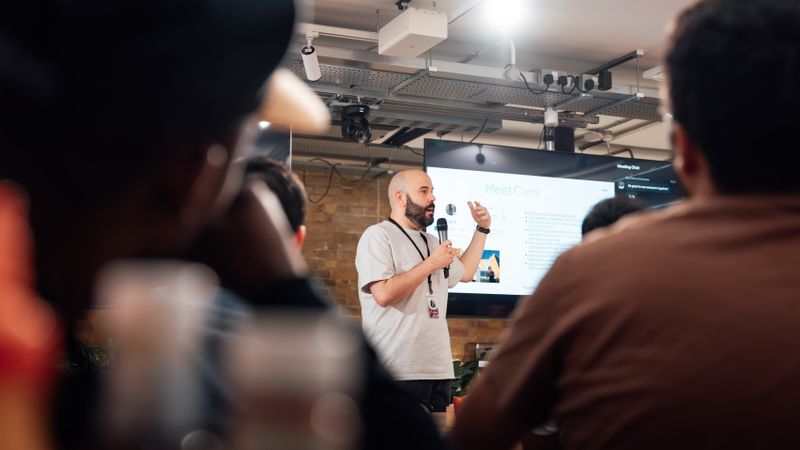
Jacob Tierney, showrunner of the acclaimed drama series Heated Rivalry, delivered a progress update on the show's second season while receiving the Critics Choice LGBTQ+ Showrunner Award at the 3rd Critics Choice Celebration of LGBTQ+ Cinema & Television held in Los Angeles on Friday. The recognition underscores the trajectory of a series that has rapidly ascended to prominence within the competitive landscape of prestige television, earning substantial industry validation for its inaugural ten-episode run distributed across Crave and HBO Max. Tierney's acceptance remarks, which emphasized the intensive developmental work underway for Season 2, signal that the production team is committed to maintaining the quality standards that distinguished the first season despite inevitable pressures to accelerate its return. This moment represents a particularly significant juncture for the series, as it navigates the delicate transition from breakout premiere season to establishing sustainable creative longevity in an increasingly fragmented streaming marketplace where sophomore seasons frequently determine long-term viability.
The emergence of Heated Rivalry as a cultural and critical force reflects broader transformations within entertainment regarding LGBTQ+ storytelling representation and production infrastructure. For decades, mainstream television networks relegated queer narratives to secondary characters and marginal plotlines, with fully formed LGBTQ+ dramas occupying extremely limited commissioning slots. The current environment, shaped by the proliferation of streaming platforms competing aggressively for subscriber retention and prestige recognition, has created expanded opportunities for productions centered entirely on queer characters and relationships. Heated Rivalry's success becomes particularly notable within this context because it demonstrates that audiences—both within and beyond the LGBTQ+ community—constitute a substantial demographic with demonstrated appetite for sophisticated, character-driven content exploring romantic complexity and emotional intimacy. The series' multiple award nominations and Tierney's institutional recognition through established critical mechanisms like the Critics Choice Awards validate that platforms like HBO Max and Crave recognize this audience category as essential to their strategic positioning and content differentiation. This represents a marked departure from historical industry practices that treated queer programming as a niche category rather than mainstream prestige drama.
The first season of Heated Rivalry accumulated recognition across multiple prestigious award platforms throughout the preceding months, establishing itself as a contender within competitive categories that historically centered predominantly heterosexual narratives. Tierney's acceptance of the Critics Choice LGBTQ+ Showrunner Award specifically indicates that the Academy recognized his creative vision and execution within a category dedicated to celebrating LGBTQ+ representation in leadership positions across the industry. The dual distribution structure through both Crave and HBO Max provides the series access to substantially larger aggregated viewership than would be available through a single platform, extending its cultural reach and amplifying the significance of its award recognition. This distribution arrangement also reflects the strategic partnerships increasingly common between streaming services, particularly regarding premium serialized content where production budgets and development cycles require multiple revenue streams and audience bases to achieve financial viability and cultural sustainability.
For entertainment industry professionals and observers, Tierney's update carries concrete implications regarding production timelines and quality expectations for prestige streaming content. The showrunner's characterization of the team as working "very hard" on Season 2 provides relatively little specific information about production status, development timeline, or anticipated premiere date, yet this deliberate vagueness itself communicates meaningful information about industry norms. In contemporary streaming environments, platforms exercise considerable caution regarding public commitments about premiere schedules, having learned through repeated subscriber volatility that announcement timing directly impacts viewing patterns and retention metrics. The absence of specific Season 2 premiere information, despite the award ceremony providing an ideal forum for such announcements, suggests that HBO Max and Crave have not yet locked completion timelines or determined optimal release windows. This restraint stands in contrast to the accelerated development and production schedules that characterized streaming's earlier phases, indicating that both platforms recognize maintaining audience investment across extended periods requires careful calibration of expectation management rather than immediate announcement of sequel availability.
The recognition of Tierney through an LGBTQ+-specific award category reveals significant patterns regarding how contemporary institutions acknowledge creative achievement and marginalized representation within entertainment hierarchies. The existence of dedicated LGBTQ+ categories within major critical frameworks like the Critics Choice Awards demonstrates institutional commitment to ensuring that creators from marginalized communities receive explicit recognition alongside broader competitive categories. However, this segregation simultaneously raises persistent questions within critical discourse about whether maintaining separate categories ultimately reinforces rather than diminishes categorical differentiation between mainstream and LGBTQ+ content. Tierney's dual recognition—receiving an award specifically celebrating LGBTQ+ showrunning while simultaneously helming a prestige drama commanding significant budgetary resources and distribution across premium platforms—illustrates the contemporary reality that queer creators and content increasingly occupy central rather than peripheral positions within mainstream entertainment infrastructure. Yet the categorical separation suggests that institutions may still view LGBTQ+ content as requiring distinct recognition mechanisms rather than naturalized inclusion within undifferentiated prestige drama categories, reflecting continuing structural inequities even as surface-level diversity metrics improve substantially.
Looking forward, industry observers should monitor several specific developments that will clarify the sustainability of Heated Rivalry's critical and commercial momentum. The announcement of an official Season 2 premiere date represents the most immediate measurable development to anticipate, as this information will provide concrete evidence regarding production completion timelines and HBO Max's scheduling confidence in the franchise. Additionally, the awards season trajectory of the first season throughout the remainder of the current ceremonial calendar—including potential recognition at the Golden Globes, SAG Awards, and Emmys—will determine whether Heated Rivalry establishes itself as a perennial prestige contender or experiences the gradual critical attrition that characterizes many streaming breakout properties. Critical attention should also extend toward examining whether Crave and HBO Max's continued financial commitment to Heated Rivalry's development, particularly through expansion into Season 2, influences industry-wide commissioning decisions regarding LGBTQ+-centered drama, potentially establishing new baseline expectations for representation across streaming platforms. The series' trajectory will substantially shape whether its current success represents a genuine inflection point toward sustained investment in queer storytelling or remains an outlier success story that fails to generate systemic change within institutional creative decision-making frameworks.