
How 2 Founders Turned Clean Beauty Standards Into a Pet Care Brand
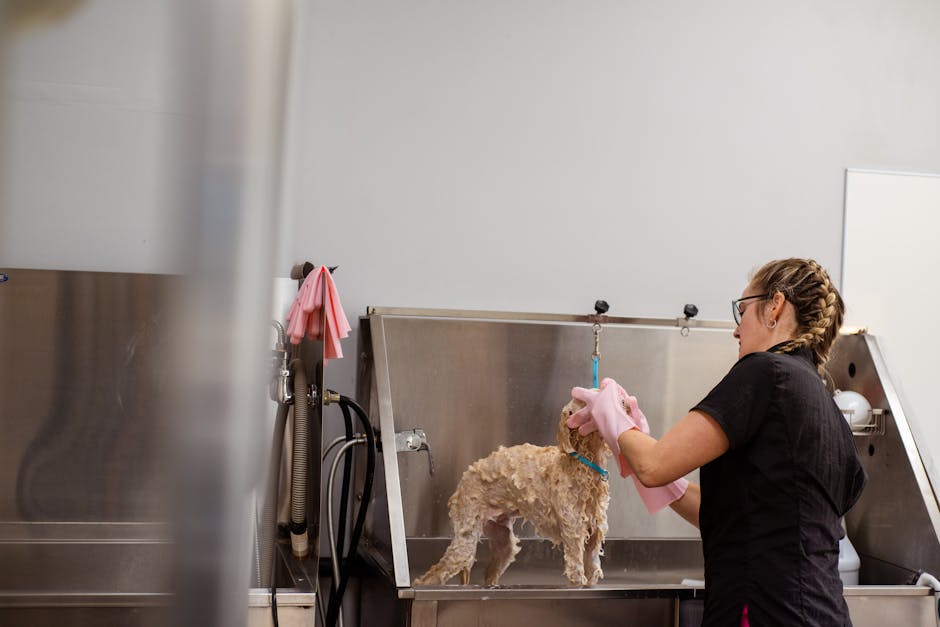
Two entrepreneurs have disrupted the pet care industry by applying rigorous clean beauty standards typically reserved for human cosmetics to their newly launched dog grooming product line. The founders, whose background in the wellness sector positioned them uniquely to recognize gaps in pet product formulation, identified a significant market opportunity where existing brands relied on outdated ingredient lists and questionable chemical compounds. Their venture, which launched commercially within the past eighteen months, has rapidly gained traction among health-conscious pet owners who increasingly scrutinize what touches their animals' skin and coat. The company's flagship product range focuses on eliminating common irritants found in conventional pet shampoos, conditioners, and coat treatments, replacing them with plant-derived alternatives that meet the stringent testing protocols typically associated with human skincare rather than pet care. This approach represents a fundamental departure from industry norms, where pet grooming products have historically operated under less restrictive regulatory frameworks and consumer expectations. The founders' decision to establish manufacturing standards that exceed industry minimums reflects a broader philosophical commitment to transparency and ingredient integrity that resonates with a growing demographic of environmentally and health-conscious consumers. The significance of this market shift cannot be overstated, as it signals a maturing consumer consciousness around pet wellness that extends beyond nutrition into personal care categories. For decades, the pet care industry has operated with minimal oversight regarding ingredient transparency, with many products containing synthetic fragrances, sulfates, parabens, and chemical preservatives that pose potential risks to animal health.
Pet owners increasingly recognize that their dogs' skin represents a significant barrier to overall wellbeing and that repeated exposure to harsh chemical compounds during grooming routines may contribute to dermatological issues, allergic reactions, and chronic inflammation. The emergence of brands applying human cosmetic standards to pet products validates concerns that have long circulated among veterinarians and animal dermatologists regarding the safety profiles of conventional grooming solutions. This market transformation mirrors similar transitions that occurred in human beauty approximately fifteen years ago, when consumers began demanding cleaner formulations and greater ingredient transparency from manufacturers. The founders capitalized on recognizing that pet care remained largely untouched by this wellness revolution, creating an opportunity to establish category leadership before mainstream brands adapted their formulations. The company's product development strategy centers on three core principles: the elimination of known irritants, the incorporation of scientifically validated plant-based alternatives, and third-party verification of all claims made regarding performance and safety. Their primary shampoo formulation eliminates sulfates, which many dermatologists acknowledge can strip the skin's natural protective oils and cause irritation in sensitive dogs. Instead, they utilize plant-derived cleansers including saponified coconut and vegetable oils that provide comparable cleaning efficacy without the harsh side effects. The conditioner line features omega-rich botanical extracts rather than silicone-based compounds, resulting in coat softness that reviewers have compared favorably to premium conventional brands.
Notably, the founders conducted extensive testing with dogs displaying pre-existing skin sensitivities, documenting measurable improvements in coat quality and reduction in itching behaviors within two weeks of consistent use. One veterinary dermatologist quoted in early product reviews noted that the formulation represents a significant advancement in available options for dogs with compromised skin barriers, suggesting that clean grooming products may serve a therapeutic function beyond basic hygiene. The company's commitment to third-party testing through independent laboratories and veterinary review boards provides the kind of documentation that pet owners expect when making purchasing decisions for their animals' health products. Industry analysts and veterinary professionals have responded cautiously but positively to this market entrant, recognizing both the validity of their underlying premise and the challenges inherent in scaling clean beauty manufacturing for animal care. Representatives from established pet care manufacturers have begun quietly investing in reformulation initiatives, indicating that larger companies recognize the vulnerability of their current product portfolios to market disruption. The founders' success has prompted venture capital firms specializing in pet industry investments to increase funding allocation toward wellness-focused startups, suggesting that institutional investors view this category evolution as a genuine long-term trend rather than a temporary niche phenomenon. However, some industry observers have raised questions about pricing sustainability, noting that clean beauty formulations typically command premium price points that may limit market penetration beyond affluent consumer segments. The founders have acknowledged this constraint but argue that the premium pricing reflects genuine differences in ingredient sourcing, manufacturing processes, and quality assurance rather than pure marketing positioning.
Veterinary organizations have begun incorporating education about grooming product selection into their client consultation frameworks, suggesting growing institutional recognition that this category warrants professional guidance. This development reveals deeper truths about contemporary pet ownership dynamics and the humanization of animal care that has accelerated significantly over the past decade. Pet owners increasingly view their animals as family members deserving access to products that meet comparable safety and quality standards as those they purchase for themselves. The willingness of consumers to invest in premium-priced pet grooming products indicates that the emotional connection between owners and their pets has fundamentally altered purchasing decision processes in the broader pet care market. This shift extends beyond simple consumerism into questions about responsibility, health literacy, and the integration of veterinary science into household decision-making. The founders' success demonstrates that market opportunities emerge not merely from identifying unmet needs but from recognizing when consumer consciousness has evolved sufficiently to support new product categories. Their ability to translate clean beauty principles across from human cosmetics into pet care suggests that other adjacent categories may be similarly ripe for disruption through the application of elevated standards and consumer education. The broader implications suggest that pet care, once considered a largely utilitarian market segment, is undergoing fundamental transformation into a wellness category where premium positioning and health claims function as primary purchase drivers.
Observers should monitor two specific developments that will determine whether this market shift becomes permanent structural change or represents a temporary trend among early-adopter consumers. First, the pace at which established pet care manufacturers reformulate their core product lines provides critical insight into whether major industry players view clean grooming products as a genuine competitive threat warranting significant investment or as a niche phenomenon that existing market segments will naturally gravitate toward. The next twelve to eighteen months will reveal whether brands like Petco-owned companies and other major distributors expand their private-label offerings in the clean pet grooming category, as such moves would represent institutional validation of sustained demand. Second, tracking veterinary recommendations and the extent to which professional guidance shifts consumer purchasing behavior offers crucial perspective on whether this market expansion depends on sustained direct-to-consumer marketing or achieves sustainability through professional endorsement. The emergence of veterinary-recommended grooming product lines through established veterinary hospital networks would signal that clean pet grooming represents a durable category evolution rather than a marketing-driven trend subject to shifting consumer preferences and discretionary spending patterns.


