'Ghostbusters' Animated Netflix Series Reveals Title, Logo Art

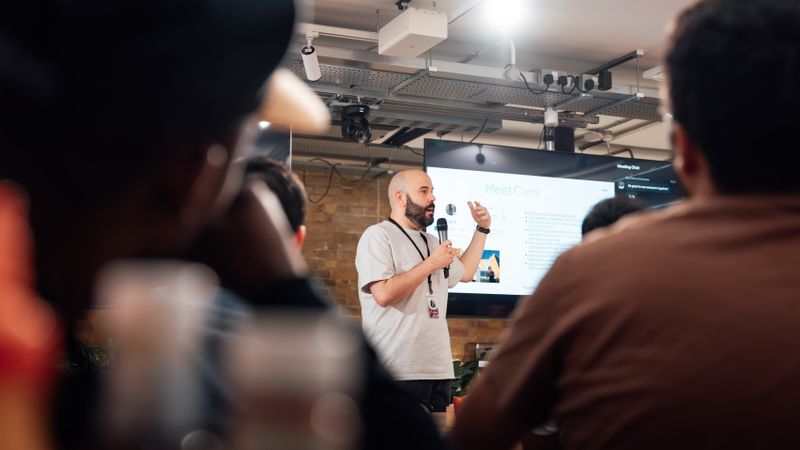
Netflix and Sony Pictures Animation have jointly unveiled the official title and branding for their forthcoming Ghostbusters animated series, a strategic announcement timed to coincide with Ghostbusters Day on Saturday, which commemorates the original 1984 film's theatrical debut. The reveal brought together showrunners Ben Hibon and Elliott Kalan alongside Ghost Corps executive producers Jason Reitman and Gil Kenan, signaling substantial involvement from the franchise's creative leadership in this new animated venture. This formal introduction marks a critical inflection point in how the Ghostbusters franchise is expanding its multimedia presence beyond the established live-action film canon that has defined the property for four decades. The timing of the announcement, deliberately positioned around the franchise's most recognizable cultural milestone, demonstrates deliberate strategic coordination between Netflix's content acquisition teams and Sony Pictures Animation's production infrastructure to maximize visibility and fan engagement within the entertainment ecosystem.
The Ghostbusters franchise has undergone considerable transformation in recent years, particularly following Jason Reitman's directorial involvement in bringing the franchise forward with both thematic continuity and narrative innovation. The animated series represents Netflix's continued investment in premium animated content aimed at adult audiences and family viewership simultaneously, a content category that has generated substantial subscriber value for the streaming platform. Sony Pictures Animation's decision to partner with Netflix rather than developing this project through traditional broadcast or premium cable channels underscores the fundamental shift in how major studios now distribute tentpole animated properties. The franchise itself has experienced renewed cultural salience following the successful theatrical releases of recent Ghostbusters films, which have demonstrated enduring audience appetite for the property across generational cohorts. This animated adaptation arrives at a moment when streaming platforms have demonstrated willingness to invest heavily in established intellectual property with proven audience recognition, moving beyond reliance on original content as the primary driver of subscriber acquisition and retention.
The involvement of Jason Reitman and Gil Kenan in an executive producer capacity carries substantial significance within the franchise context. Reitman directed Ghostbusters: Afterlife, which grossed 200 million dollars globally and introduced new generational characters into the franchise narrative structure, while Kenan directed the 2024 theatrical release Ghostbusters: Frozen Empire. These dual creative perspectives ensure the animated series maintains narrative coherence with established franchise canon while potentially introducing novel storytelling possibilities unique to animated format capabilities. Ben Hibon, whose previous directorial work includes the acclaimed animated film Love, Death and Robots episodes and substantial experience in science fiction narratives, brings sophisticated visual sensibility and complex storytelling frameworks to the project. Elliott Kalan's involvement as showrunner provides writing expertise developed through his work on The Colbert Report and subsequent television development experience, suggesting the series aims for humor sophistication that balances broad comedic appeal with sharper satirical elements. The assembled creative team composition indicates Netflix's commitment to producing animated content that operates at elevated production and creative standards rather than delegating the project to secondary production units.
For entertainment industry professionals and enthusiasts, this development carries immediate operational implications regarding animated content production timelines and streaming platform investment priorities throughout 2024 and 2025. The formal announcement through coordinated social media activation and franchise celebration events signals that Netflix anticipates sufficient competitive advantage from the Ghostbusters property to justify substantial budgetary commitments in an entertainment landscape increasingly saturated with animated series launches. Animation production pipelines typically require eighteen to twenty-four months from advanced development phases to final delivery, positioning this announcement as evidence that substantive production work has already commenced behind closed doors. The franchise's existing fan infrastructure and cultural recognition provide substantial marketing advantages that reduce subscriber acquisition costs compared to original intellectual property launches, a particularly valuable consideration given Netflix's recent strategic emphasis on maximizing return on content investment. Entertainment reporting networks and industry publications will likely intensify coverage of production developments as animation design assets and narrative details become available, creating sustained promotional momentum extending well beyond this initial announcement phase.
The broader entertainment industry landscape reveals an accelerating pattern wherein streaming platforms systematize acquisition and development of established franchise properties rather than relying predominantly on original content generation. Disney Plus, Amazon Prime Video, and competing platforms have implemented similar strategies, leveraging their financial resources to secure animation production deals around recognizable intellectual properties with demonstrable audience loyalty. This development reflects fundamental economic recalibration within media industries, where subscriber acquisition costs have risen substantially while traditional advertising models face structural challenges. The Ghostbusters animated series exemplifies how major studios now operate multifaceted franchise exploitation strategies, simultaneously developing theatrical films, animated series, television properties, and ancillary merchandise around single intellectual property universes. This approach contrasts sharply with prior industry models in which animation represented subordinate media format relative to live-action theatrical releases. The convergence of Netflix's distribution capabilities with Sony Pictures Animation's production expertise and Ghost Corps' creative stewardship suggests the franchise business model has fundamentally transformed from sequential theatrical release windows into coordinated multimedia simultaneity designed to maintain constant franchise presence across content consumption platforms.
Entertainment industry observers should monitor specific subsequent developments as this project advances toward production and release phases. Netflix typically announces release window information and production progress through official social media channels and industry conferences including Netflix Tudum events, making autumn 2024 announcements likely if production has achieved sufficient advancement. Sony Pictures Animation's production slate documentation and executive presentations at upcoming industry forums including CinemaCon and Animation Is Film festivals will presumably provide additional franchise development context and potential release timeline indicators. The theatrical and streaming coordination strategies employed by Ghost Corps leadership suggest potential hybrid release strategies merging theatrical exhibition with streaming availability, particularly if the animated series achieves high production values justifying expanded distribution investment. Fan community engagement with announcement materials will provide early indicators regarding audience reception dynamics, narrative expectations, and character preference patterns that may inform creative decision-making throughout production. The competitive landscape surrounding adult-oriented animated content remains intensely contested, requiring careful tracking of comparable platform investments and audience response patterns that might influence Netflix's strategic positioning relative to other major streaming participants developing animation-focused content franchises throughout the coming entertainment cycle.