Former general for Syria’s Assad pleads not guilty in torture trial
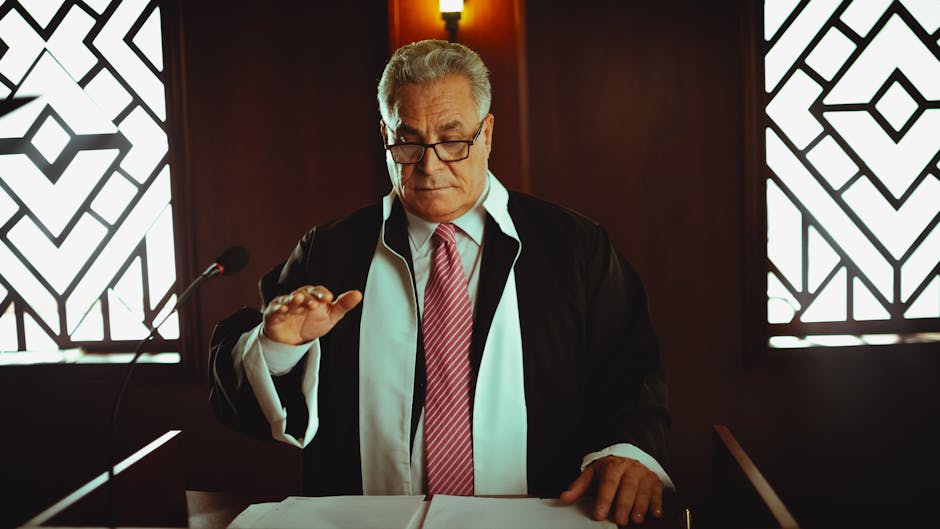
Brigadier General Khaled al-Halabi, a high-ranking military official who served directly under Syria's Bashar al-Assad regime, entered a not guilty plea in a European courtroom this week, marking a significant moment in the ongoing pursuit of accountability for systematic torture within the Syrian security apparatus. The charges against al-Halabi include aggravated torture, coercion, sexual coercion, and bodily harm—allegations stemming from his alleged involvement in overseeing detention facilities where numerous prisoners faced brutal treatment. The proceedings represent one of the rare instances in which senior military figures from Assad's government face direct prosecution in Western jurisdictions, underscoring the expanding legal mechanisms designed to hold perpetrators of mass atrocities accountable beyond Syria's borders. This case unfolds amid a broader landscape of transitional justice efforts that have struggled to gain meaningful traction in the Middle East, where traditional pathways to prosecution have repeatedly encountered political obstacles and international complications.
The Syrian conflict, now spanning more than thirteen years since the initial uprising in 2011, has produced an estimated half-million deaths and millions of internally displaced persons and refugees scattered across the globe. The Assad regime's security forces became notorious for operating an expansive network of detention centers where torture and extrajudicial killings became standard practice, documented extensively by international human rights organizations. Various UN commissions of inquiry and independent investigations have compiled compelling evidence suggesting that torture constituted a systematic and widespread policy rather than isolated abuses by rogue actors. However, prosecuting the architects and executors of this machinery of repression has proven extraordinarily difficult, as the Syrian government has effectively shielded perpetrators from international justice mechanisms while maintaining its grip on power with crucial support from Russia and Iran. The emergence of cases like al-Halabi's in foreign courts has therefore become one of the primary avenues through which victims and the international community have attempted to establish legal accountability, relying on the principle of universal jurisdiction that allows certain crimes to be prosecuted regardless of where they occurred.
The specific allegations against al-Halabi center on his command responsibilities within the Syrian security establishment, where his position granted him authority over detention operations and military personnel involved in interrogation activities. Court documents indicate that the charges encompass multiple categories of abuse, with sexual coercion representing a particularly egregious dimension of the documented misconduct. The breadth of charges suggests prosecutors are pursuing a comprehensive picture of how systematic abuse functioned within the security apparatus rather than focusing narrowly on individual violent incidents. This approach reflects evolving international legal standards that recognize how institutional structures enable widespread harm and how senior officials bear responsibility for creating environments where subordinates perpetrate atrocities. The transition from investigating isolated incidents to examining command structures and policy frameworks represents a maturation of transitional justice methodology, particularly relevant in Syrian contexts where abuse operated through deliberate institutional mechanisms rather than chaotic frontline violence.
The significance of al-Halabi's prosecution extends beyond the immediate legal outcome and touches on fundamental questions about justice accessibility for Syrian victims who have limited realistic prospects for domestic accountability. Many torture survivors remain scattered across refugee camps and host countries throughout Europe, the Middle East, and beyond, carrying psychological and physical scars with limited means of pursuing justice through conventional channels. The willingness of European courts to assume jurisdiction over these cases offers these dispersed populations a potential avenue for validation and legal recognition of their suffering, even if such proceedings cannot restore what was lost during detention. Furthermore, the prosecution establishes documented legal precedent regarding Assad-era practices, creating an official record that complements investigative work by international commissions and ensures that historical truth becomes embedded in judicial proceedings. For former detainees and their families, such proceedings represent recognition from the international legal system that their suffering was not acceptable, that responsibility must be assigned, and that no immunity shields perpetrators indefinitely from accountability.
The broader implications of this case illuminate persistent tensions within international justice architecture regarding how the global community addresses atrocities committed by state actors who retain effective control over their territories. Unlike the International Criminal Court, which operates under limitations regarding state cooperation and enforcement mechanisms, prosecutions through universal jurisdiction depend on the accident of geographic proximity and the willingness of individual nations to pursue cases. This creates an uneven landscape where some perpetrators face Western prosecution while others from different conflicts escape entirely, raising questions about consistency and whether justice becomes dependent on geopolitical positioning. The Syrian situation exemplifies how political considerations often overwhelm legal logic in accountability processes, as Russia and China have repeatedly blocked UN Security Council efforts that might have created robust international mechanisms. Nevertheless, the accumulation of cases like al-Halabi's across multiple European jurisdictions gradually builds a distributed network of legal accountability that, while not replacing comprehensive transitional justice, prevents the wholesale erasure of perpetrator identity and responsibility that the Assad government would prefer.
Observers should closely monitor developments within the German legal system, where this prosecution is proceeding, particularly regarding whether courts will allow substantial victim testimony that could establish detailed records of abuses. The timeline of the trial itself will prove significant, as protracted proceedings may indicate the prosecution's confidence in its documentary evidence and witness testimony, whereas rapid conclusions might suggest prosecutorial uncertainty. Additionally, international human rights organizations and Syrian exile networks should be tracked for their efforts to support similar cases in other European venues, potentially including Belgium, France, or Sweden, where universal jurisdiction doctrines remain relatively robust. The Organisation for the Prohibition of Chemical Weapons and UN investigative bodies continue gathering evidence regarding Assad-era conduct, and whether these findings migrate into criminal proceedings will determine whether international accountability mechanisms ultimately reinforce or undermine each other in pursuing justice for Syrian victims whose suffering extended across more than a decade of systematic repression.