Crypto markets shed $80B after fresh US strikes on Iran
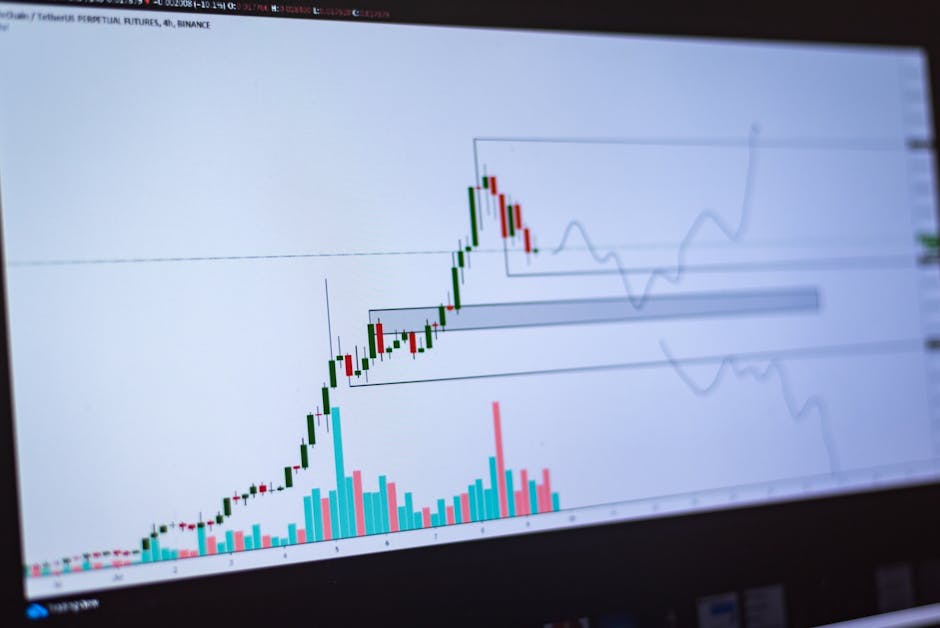
Digital asset markets experienced substantial losses on Tuesday, with the overall cryptocurrency market capitalization plummeting by approximately eighty billion dollars following renewed military tensions between the United States and Iran. The broader crypto sector, which had been hovering near the two-trillion-dollar mark, contracted sharply to levels not seen since mid-April, reflecting investor anxiety about geopolitical instability and its potential economic ramifications. The decline coincided with the second round of American military strikes against Iranian targets in a seventy-two-hour period, occurring despite ongoing diplomatic initiatives aimed at de-escalating hostilities in the Middle East. Bitcoin, the world's largest cryptocurrency by market value, retreated significantly from recent highs, while alternative digital tokens experienced even steeper percentage declines, demonstrating the sector's heightened sensitivity to macroeconomic uncertainty and international conflict. The cryptocurrency market's pronounced reaction to military escalation underscores the sector's fundamental vulnerability to geopolitical shocks and broader economic concerns. Digital assets, which have increasingly been recognized as alternative stores of value and hedges against traditional market volatility, paradoxically tend to decline during periods of acute international tensions when investors typically retreat toward conventional safe-haven assets like government bonds and precious metals.
The current market contraction represents a significant setback for the cryptocurrency industry, which had been building momentum throughout the spring and early summer months despite regulatory scrutiny from governments worldwide. The timing proves particularly consequential given that the sector has been attempting to establish itself as a mature asset class worthy of institutional investment, and sharp corrections stemming from external geopolitical factors may undermine efforts to normalize crypto trading within traditional financial portfolios. Market analysts pointed to several specific factors driving the dramatic sell-off across digital asset exchanges and trading platforms. The intensity and scale of the military operations, combined with persistent uncertainty about potential Iranian retaliation or further American military action, created an environment of considerable investor apprehension about broader economic consequences. Crude oil prices surged in response to the Middle East developments, with energy markets pricing in potential supply disruptions, which historically correlates with equity market stress and capital flight toward traditional safe-haven positions. Cryptocurrency trading volumes spiked dramatically during the initial hours following news of the strikes, with liquidations of leveraged positions contributing to the downward pressure on prices across major trading pairs.
Several major institutional investors reportedly reduced their exposure to digital assets during the selling episode, suggesting that larger financial entities maintain low tolerance thresholds for cryptocurrency holdings during periods of pronounced geopolitical uncertainty. The crypto market's response has prompted considerable discussion among financial professionals and market observers regarding the asset class's mature positioning within global markets. Some analysts contend that the sell-off demonstrates that cryptocurrency markets, despite their growth and increasing mainstream adoption, remain susceptible to panic-driven liquidations and exhibit characteristics more aligned with speculative trading venues than traditional institutional asset classes. Others argue that the decline simply reflects rational market behavior as investors reassess portfolio risk during heightened international tensions, noting that traditional equities and other risk assets similarly experienced pressure during the same period. The relationship between geopolitical events and cryptocurrency valuations continues to defy simple categorization, with digital assets sometimes functioning as safe-haven stores of value and other times trading more closely with risk assets like stocks. This inconsistency has complicated efforts by cryptocurrency advocates to establish a coherent narrative about the sector's fundamental investment characteristics and role within diversified portfolios.
Regulatory authorities and government officials have expressed varying perspectives on the market turmoil, with some viewing it as evidence supporting their calls for enhanced oversight of the cryptocurrency sector. Central banking officials in several jurisdictions have emphasized that the volatility witnessed during the recent military escalation highlights the importance of ensuring adequate safeguards for retail investors and institutional participants engaged in digital asset trading. Conversely, cryptocurrency industry representatives have argued that the market's swift adjustment to new information demonstrates sophisticated price discovery mechanisms operating across distributed networks and exchange platforms. The broader debate about cryptocurrency regulation has intensified amid the recent market instability, with lawmakers considering legislation that would impose stricter capital requirements, trading restrictions, and consumer protection measures targeting digital asset platforms. Geopolitical concerns have thus collided with preexisting regulatory tensions, creating an environment where cryptocurrency's future regulatory treatment may be shaped by political factors extending beyond purely financial considerations. Market participants should closely monitor two critical developments in the coming weeks that will likely influence cryptocurrency prices and investor sentiment moving forward.
First, the trajectory of United States-Iran relations and any escalation or de-escalation in military hostilities will remain paramount, as continued international tensions could drive additional waves of risk-averse positioning across cryptocurrency markets. Second, the response of major institutional investors and cryptocurrency exchange platforms to the recent volatility warrants careful observation, particularly regarding any changes in leverage policies, trading restrictions, or increased capital reserve requirements that platforms might implement to prevent future episodes of destabilizing liquidation cascades. Additionally, central bank policy announcements and actions related to interest rates will continue influencing investor appetite for alternative assets like cryptocurrencies. The cryptocurrency sector faces a critical juncture where stability and mature market functioning must be demonstrated to prevent regulatory interventions that could fundamentally reshape the industry's operational parameters and investment accessibility.