Bitcoin drops below $73,000 as US strikes on Iran spark $1 billion liquidations
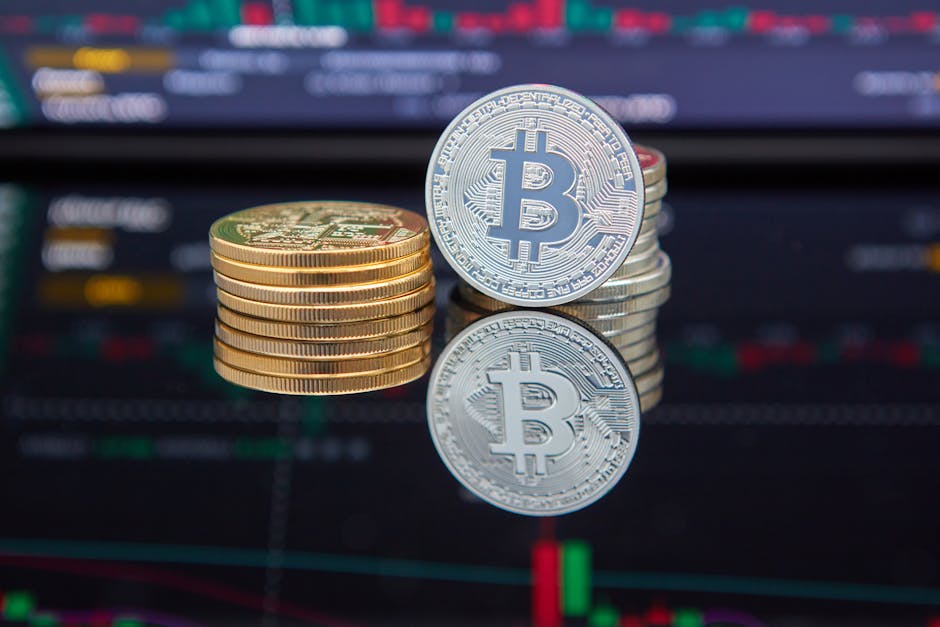
Bitcoin and other major cryptocurrencies experienced significant downward pressure on Tuesday, with the flagship digital asset declining below the $73,000 threshold as geopolitical tensions escalated dramatically in the Middle East. The sell-off corresponded with United States military strikes targeting an Iranian military installation located near the strategically vital Strait of Hormuz, an action that triggered substantial liquidations across the cryptocurrency market. Within hours of the airstrikes, nearly $1 billion in leveraged trading positions were forcibly closed out as prices contracted sharply, with Bitcoin falling approximately 3 to 4 percent alongside comparable declines in other major digital assets including Ethereum and various altcoins. The sudden market turmoil underscored the delicate balance between macroeconomic factors and geopolitical developments in determining cryptocurrency valuations, illustrating how quickly sentiment can shift when international tensions resurface. The Middle East conflict has long served as a critical flashpoint for financial markets, with previous escalations sending ripples across equities, commodities, and digital assets. The Strait of Hormuz, through which roughly 20 percent of the world's seaborne oil passes, represents one of the most strategically important chokepoints in global trade, making any military action in the region a matter of immediate concern for investors worldwide.
Markets had begun to price in a period of relative stability following earlier de-escalation signals, with traders reducing their risk premiums and deploying capital more aggressively into growth-oriented assets. The sudden reintroduction of conflict dynamics upended this narrative, forcing investors to recalibrate their expectations regarding geopolitical risk and its potential impact on economic growth, inflation trajectories, and central bank policy responses. For cryptocurrency markets specifically, which have grown increasingly correlated with risk sentiment and macroeconomic conditions, such disruptions tend to trigger rapid portfolio rebalancing as leveraged traders face margin calls and risk management protocols. The magnitude of liquidations reflected the extensive use of leverage throughout cryptocurrency trading platforms, where investors routinely borrow capital to amplify their exposure to digital assets. Data from major derivatives exchanges indicated that positions totaling approximately $950 million were liquidated in the hours immediately following the military strike announcements, with the largest concentration occurring in Bitcoin perpetual futures contracts. Bitcoin's decline to $72,850 represented a notable breach of technical support levels that traders had identified as critical, intensifying selling pressure as stop-loss orders were triggered automatically.
Ethereum experienced comparable volatility, dropping roughly 3.5 percent to trade below $2,600, while numerous smaller altcoins suffered even steeper declines, with some losing 5 to 7 percent of their value within the same timeframe. Trading volumes surged significantly during the liquidation cascade, with spot and derivatives markets processing substantially elevated transaction volumes as investors scrambled to either exit positions or purchase assets at newly discounted valuations. Cryptocurrency analysts and financial experts responded to the market movements with measured assessments of the underlying dynamics at play. Multiple trading firms noted that the liquidations followed a characteristic pattern common to volatile market environments, where cascading forced selling amplifies initial price movements beyond what fundamental factors might otherwise justify. Some market observers pointed out that the severity of the selloff appeared disproportionate to the actual magnitude of the geopolitical escalation, suggesting that technical factors and the unwinding of overleveraged positions played a substantial role in driving the decline. Regulatory bodies and market surveillance officials began monitoring trading activity to ensure that no market manipulation or coordinated trading strategies were exacerbating the volatility.
Risk management professionals highlighted that the incident served as a reminder of the importance of appropriate position sizing and the dangers inherent in excessive leverage during periods of elevated uncertainty. Industry participants and institutional investors offered broader perspectives on how geopolitical developments continue to influence cryptocurrency markets as the asset class matures. Several prominent cryptocurrency fund managers emphasized that digital assets have become increasingly sensitive to macro risk factors, particularly when those factors threaten global trade flows or energy prices. The connection between oil price volatility and cryptocurrency valuations stems partly from shared concerns about inflation, monetary policy responses, and overall economic growth prospects, with elevated energy costs potentially constraining economic activity. Cryptocurrency advocates contended that the volatility actually demonstrates the maturation of digital asset markets, as they now respond to real-world economic and political developments rather than existing in isolation. Conversely, critics of cryptocurrency markets pointed to the liquidation cascade as evidence of systemic fragility, particularly the concentration of leverage among retail traders and smaller institutions that lack the risk management infrastructure of traditional finance.
Looking ahead, market participants will closely monitor two critical developments to gauge the trajectory of cryptocurrency valuations and broader risk sentiment in the coming weeks. First, the evolution of the Middle East situation and any escalatory or de-escalatory statements from relevant governments will be essential to watch, as clarity regarding the likely extent of future military action could either stabilize or further destabilize cryptocurrency prices. Second, the response from crude oil markets and energy prices will provide important signals about inflation expectations and economic growth concerns, metrics that directly influence cryptocurrency valuations through their impact on monetary policy expectations and overall risk appetite. Traders and investors maintaining cryptocurrency exposure should prepare for continued volatility in the near term, particularly if additional geopolitical developments emerge or if leverage continues to unwind at currently elevated levels, while longer-term investors may view sharp declines as potential entry opportunities depending on their underlying conviction regarding cryptocurrency fundamentals and adoption trajectories.