
Biggest stock movers Friday: DELL, NTAP, HPE, ESTC, GAP, AEO, and more
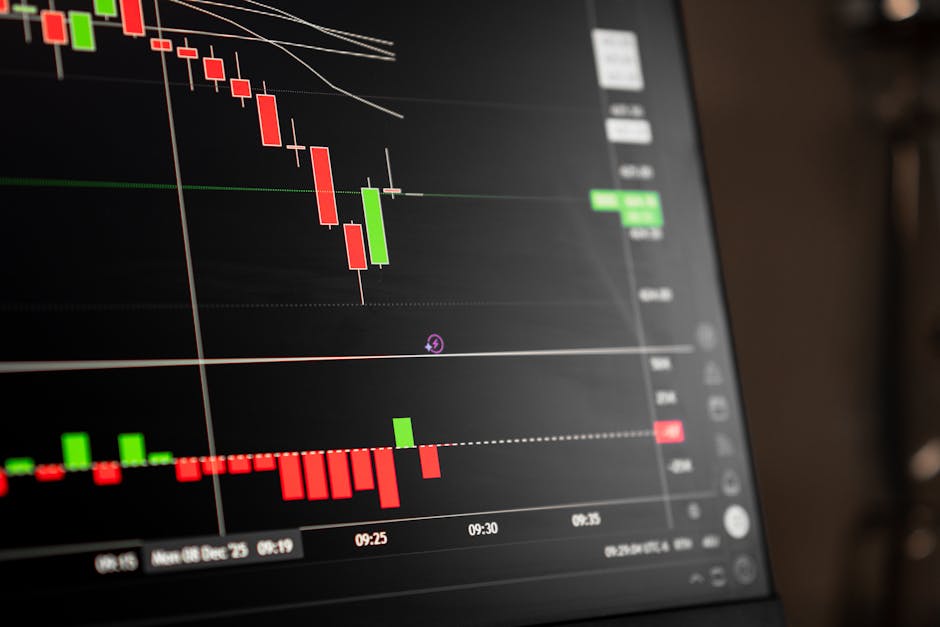
Technology and retail sectors experienced notable volatility on Friday as investors digested mixed earnings reports and shifted their capital allocation strategies heading into the weekend. Dell Technologies emerged as a significant performer following the release of stronger-than-anticipated quarterly results, while NetApp and Hewlett Packard Enterprise navigated turbulent trading sessions driven by divergent market sentiment regarding data center demand and infrastructure spending. Meanwhile, Gap Inc. and American Eagle Outfitters faced considerable selling pressure as concerns about consumer spending patterns and inventory management continued to weigh on investor confidence in the retail sector. The broader technology landscape demonstrated the market's heightened sensitivity to earnings guidance and forward-looking statements, as traders sought clarity on the sustainability of current growth trajectories amid persistent economic uncertainties. The equity markets have increasingly focused on corporate profitability metrics and management commentary regarding future business conditions, particularly as Federal Reserve policy remains a critical driver of investment decisions. Technology companies, which represent a substantial portion of major indices, have become barometers for broader economic health and corporate spending intentions. The information technology hardware sector specifically has drawn intense scrutiny from institutional investors seeking exposure to artificial intelligence infrastructure buildout and data center modernization trends.
However, investor enthusiasm remains selective, with market participants carefully distinguishing between companies with genuine technological differentiation and those facing margin pressures from competitive dynamics or macroeconomic headwinds. This selective approach to sector rotation has created distinct winners and losers within what might otherwise appear as a cohesive industry grouping. Dell Technologies reported results that exceeded consensus expectations, driven by strong demand for servers and data center infrastructure components that support cloud computing and artificial intelligence applications. The company's guidance for future quarters demonstrated management confidence in sustained capital spending patterns from enterprise customers investing in technology modernization initiatives. NetApp similarly benefited from favorable data storage trends, though its stock experienced more muted trading activity relative to the magnitude of its earnings beat. Conversely, Hewlett Packard Enterprise encountered headwinds as investors questioned whether the company's portfolio adequately positioned it to capitalize on the most attractive segments of the technology infrastructure market. In the retail arena, Gap Inc. disclosed disappointing sales trajectories and reduced consumer traffic metrics, signaling potential weakness in discretionary consumer spending.
American Eagle Outfitters faced comparable pressure, with management commentary suggesting elevated inventory levels and promotional intensity required to clear merchandise. Elastic, a software company specializing in search and analytics capabilities, also experienced notable price movement as market participants reassessed valuation metrics within the software-as-a-service sector. Industry analysts and market strategists have characterized the divergence between winners and losers as reflective of a broader market maturation regarding artificial intelligence adoption and technology spending patterns. Rather than viewing all technology companies as uniform beneficiaries of digital transformation, sophisticated investors now demand evidence of specific revenue capture mechanisms and defensible market positions. The technology infrastructure segment, particularly server and storage hardware manufacturers, has attracted substantial institutional interest based on the tangible capital expenditures required to deploy artificial intelligence systems at scale. However, observers caution that valuations in this space have expanded considerably, suggesting that much of the optimistic scenario is already reflected in current stock prices. Retail sector weakness observed in Gap and American Eagle reflects broader concerns about whether consumer spending can sustain current levels without additional labor market stimulus or wealth effects from appreciating asset values.
The disparity between hardware manufacturers benefiting from infrastructure spending and apparel retailers facing demand softness underscores the selective nature of current economic conditions. Market technicians note that trading volumes on Friday demonstrated institutional participation, suggesting that investment professionals were actively repositioning portfolios rather than following passive indexing strategies. The concentration of gains among specific technology infrastructure companies alongside losses in discretionary retail indicates that capital is flowing toward perceived beneficiaries of structural trends while rotating away from sectors deemed vulnerable to cyclical economic deterioration. Elasticsearch's movement within software valuations reflects broader questions about whether companies lacking direct artificial intelligence revenue generation face market share pressure from competitors with more explicit exposure to emerging technology trends. Several Wall Street research departments have initiated coverage or adjusted price targets following Friday's trading activity, with particular focus on whether current technology hardware valuations can support expectations embedded in stock prices. Institutional portfolio managers have highlighted that Friday's trading patterns align with broader year-to-date themes of concentration risk, wherein a narrow group of mega-cap technology stocks and infrastructure-adjacent companies drive market performance while significant portions of the market lag substantially. Looking ahead, investors should closely monitor two critical developments that will shape near-term market direction and valuation trajectories for the companies that experienced notable movement on Friday.
First, corporate earnings reports scheduled for the coming weeks will provide additional visibility into whether the infrastructure spending boom supporting technology hardware manufacturers represents a durable multiyear trend or a cyclical upturn subject to pullback once initial artificial intelligence deployment waves complete. Specific attention should focus on management guidance regarding capital equipment order pipelines and customer spending intentions for the subsequent quarters, as forward-looking commentary often proves more influential than historical results in determining stock price momentum. Second, Federal Reserve policy communications and economic data releases will determine whether consumer spending concerns that pressured Gap and American Eagle prove temporary or indicative of a more substantial deterioration in retail demand. Monthly employment figures, wage growth metrics, and consumer confidence surveys will collectively inform whether discretionary spending weakness broadens to additional retail segments or remains concentrated among apparel and discretionary categories. These dual focal points on infrastructure spending sustainability and consumer demand trajectory will substantially influence capital allocation decisions and sector rotation patterns throughout the remainder of the trading year.


