Arteta's big Champions League final selection dilemmas
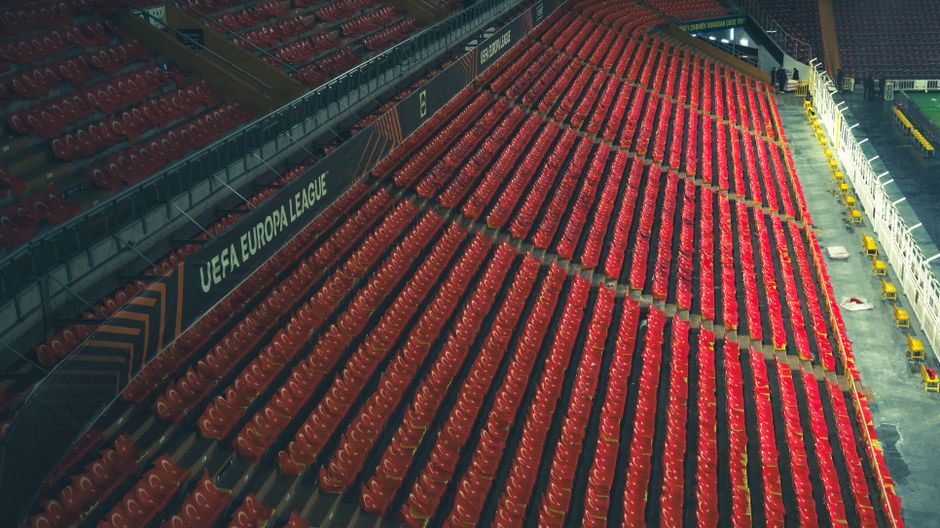
Arsenal Football Club stands on the precipice of its most consequential European encounter in twenty years as the club prepares for a Champions League final that carries implications far beyond the traditional silverware. Manager Mikel Arteta faces a selection quandary of considerable magnitude, with several key personnel either unavailable through injury, suspension, or form considerations as the date of this showcase fixture approaches. The intensity of these decisions cannot be overstated, for the manager's team selections in knockout football at this stage often define managerial legacies and determine whether a season concludes in triumph or regret. Every tactical choice, every inclusion and exclusion, carries weight that extends to the club's trajectory across multiple seasons. Arsenal's trajectory toward this final represents a remarkable resurgence in continental competition that had eluded the club throughout much of the previous two decades. The institution had become accustomed to premature European exits and the frustration of failing to progress beyond the group stages or Round of Sixteen matches, a reality that gradually diminished the club's standing among Europe's elite.
This Champions League final appearance marks a fundamental shift in the club's ambitions and competitive capabilities under Arteta's stewardship. The significance transcends the immediate contest itself because reaching a final of this magnitude signals to the global football community that Arsenal has restored itself as a serious competitor capable of challenging the continent's established powerhouses. For Arsenal's fanbase and stakeholders, this fixture represents validation of the rebuilding project that has consumed considerable time and financial investment. The specifics of Arteta's selection dilemmas centre on operational and strategic considerations that have occupied the manager's planning sessions in the weeks preceding the match. Arsenal's recent campaign witnessed injuries and fitness concerns that have circulated through the squad at precisely the wrong moment in the season's calendar. The manager must reconcile the availability of experienced performers with the form trajectory of alternative options, a calculation that becomes exponentially more complex when the stakes involve a continental final rather than routine league fixtures.
The composition of Arsenal's midfield and attacking options presents particular complexity, with Arteta requiring sufficient creativity and defensive stability to match opposing threats while maintaining the offensive momentum that has characterized the club's successful European campaign. These selection considerations extend beyond simple personnel decisions to encompass broader tactical frameworks that will determine how the match unfolds across ninety minutes of play. The practical ramifications of Arteta's selection decisions will reverberate throughout Arsenal's competitive standing for seasons to come. A Champions League final victory would fundamentally alter the club's market position, enhancing Arsenal's capacity to attract elite talent and strengthening the institution's negotiating position with prospective signings. Conversely, defeat carries the risk of psychological damage and the frustration of unrealized potential, outcomes that could affect player morale and the confidence that permeates through the organization. For Arteta specifically, the selection decisions carry personal significance regarding his credibility as a manager capable of delivering success at the highest levels of European football.
The choices he makes regarding team composition will be scrutinized extensively by rival managers, tactical analysts, and the football community broadly, with every decision subject to the intense examination that accompanies finals of this magnitude. Success validates his approach and methodology, while failure invites questioning of his strategic choices and decision-making processes. Arsenal's presence in this final reflects broader patterns emerging within European football regarding the cyclical nature of competitive dominance and the capacity of well-managed institutions to restore themselves to elite status. The club's progression alongside other traditionally ambitious but recently underperforming organizations suggests that financial investment combined with coherent long-term strategy can overcome periods of relative decline. This development challenges the notion that European dominance has become permanently concentrated among a small subset of wealthy clubs, instead indicating that sustained organizational commitment can still generate competitive capability. The selection dilemmas facing Arteta become part of a larger narrative about institutional resurgence and the tactical sophistication required to succeed when the occasion demands it.
Arsenal's emergence as a serious continental competitor has already begun reshaping perceptions about the club's trajectory and aspirations. Observers should monitor Arsenal's approach through the final weeks preceding the match, particularly regarding any late injury developments that might further complicate Arteta's selection framework. The manager's final squad announcement will provide insights into his tactical priorities and confidence regarding specific personnel choices, signals that will inform broader analysis of Arsenal's strategic approach to the encounter. Beyond the immediate final, the institution's capacity to reinforce the squad during the subsequent transfer window and maintain competitive momentum throughout the following season will determine whether this final represents a transformative moment or merely an isolated achievement. The Champions League competition format itself will continue to present Arsenal with opportunities to establish itself among Europe's most consistent competitors, conditional upon the club's ability to sustain performance levels and navigate the commercial pressures that accompany increased European involvement. These considerations extend Arteta's selection decisions beyond the immediate match into the realm of long-term institutional planning and the club's emerging position within European football's competitive hierarchy.