Antonelli fastest as favourites Ferrari dislodged before Monaco qualifying
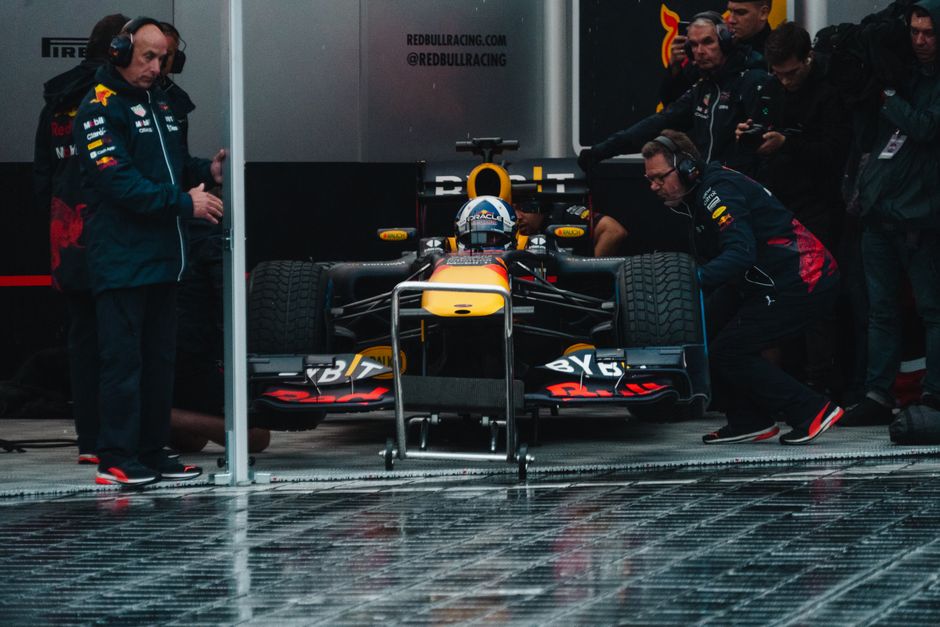
Kimi Antonelli piloted his Mercedes to the fastest lap during Friday's final practice session ahead of Monaco Grand Prix qualifying, fundamentally disrupting what had appeared to be Ferrari's commanding position throughout the opening day of competition on the streets of the principality. The championship leader's decisive performance in the concluding ninety minutes of track time signals a substantial shift in competitive dynamics at a circuit where Ferrari had established itself as the dominant force through the earlier sessions. This development carries particular weight given Monaco's historical emphasis on single-lap performance and the track position advantages that accrue to those securing pole position for Saturday's crucial qualifying session. Antonelli's demonstration of pace represents Mercedes' most forceful statement of intent since the weekend began, establishing the German manufacturer as a legitimate contender for the front row of the grid despite Ferrari's previous stranglehold on the fastest lap times.
The significance of this competitive resurgence must be contextualized within Monaco's unique position within the Formula One calendar. The principality circuit remains the sport's most prestigious venue, where qualifying performance directly correlates to race day outcomes given the extreme difficulty of overtaking on the narrow streets and the substantial advantage conferred by starting position. Ferrari's position as championship favorite entering the weekend had been reinforced by their consistent pace advantage through both practice sessions, establishing what many observers interpreted as a commanding technical superiority heading into the decisive phase of the weekend. However, the fluidity demonstrated in final practice indicates that neither team can afford complacency, and that marginal improvements in setup and driver confidence can rapidly shift the competitive advantage between rivals operating at the sport's highest competitive level. Mercedes' resurgence assumes added significance given the championship implications of claiming crucial points at Monaco, where victory confers substantial championship currency across the broader campaign narrative.
Antonelli's fastest lap time during final practice establishes Mercedes as substantially quicker than Ferrari's previous pace setters, with the session results indicating that the Silver Arrows' technical adjustments have proven effective in addressing the marginal inefficiencies that characterized their earlier running. The championship leader's performance is noteworthy not merely for establishing the session benchmark, but for demonstrating the consistency and repeatability necessary to convert practice pace into qualifying performance when track conditions remain relatively constant. Ferrari's inability to match Mercedes' final practice speed represents a technical puzzle that the Scuderia's engineers must rapidly address before qualifying begins, as the narrow window between practice and qualifying offers limited opportunity for fundamental setup modifications. The relative positions of both teams serve as a reminder that Monaco qualifying remains fundamentally unpredictable, with minor variations in fuel loads, tire temperatures, and atmospheric conditions capable of producing substantial variations in lap time. This technical uncertainty establishes the qualifying session as genuinely competitive despite Ferrari's earlier advantages.
The practical implications of this competitive shift extend directly to championship calculations and the strategic positioning of both teams across the remainder of the season. Ferrari's failure to maintain pace advantage through final practice suggests potential vulnerabilities in their technical approach that may extend beyond the specific circumstances of the Monaco circuit. Mercedes' demonstration of competitive speed carries tangible weight for the championship battle, as securing pole position or a front row start would fundamentally alter the momentum narrative heading into the race itself. For Antonelli specifically, consolidating this practice advantage into qualifying performance would represent a substantial statement regarding his technical capabilities and his capacity to maximize performance in the sport's most demanding qualifying environment. The championship implications of securing additional points at Monaco remain substantial given the cumulative nature of the points system and Ferrari's current position within the championship standings. Teams recognize that Monaco offers finite opportunities to challenge established rivals, rendering this weekend's outcomes potentially decisive for championship positioning through the middle phase of the season.
This competitive development reveals broader patterns within contemporary Formula One concerning the remarkable convergence of technical capabilities among top-tier teams. The capacity for Mercedes to address competitive deficits within the compressed timeframe between morning practice and afternoon sessions demonstrates the sophistication of modern technical analysis and the effectiveness of instantaneous telemetry interpretation. Ferrari's earlier advantages have evaporated not through mechanical failure or catastrophic performance degradation, but through competitive rivals identifying marginal optimization opportunities within existing technical parameters. The pattern reflects the increasingly narrow margins separating elite teams, where championship success hinges upon accumulating incremental improvements rather than achieving breakthrough technical advantages. This dynamic transforms qualifying sessions into genuinely unpredictable events where final practice performance offers limited predictive certainty regarding ultimate grid positions. The convergence pattern suggests that remaining races throughout the season will continue to feature competitive surprises as teams exploit marginal improvements and drivers demonstrate enhanced familiarity with technical platforms.
Observers should direct particular attention toward Saturday's qualifying session itself, where the definitive competitive hierarchy will establish itself following the compressed preparation period available to both teams. Mercedes' technical updates and Ferrari's remedial adjustments will determine whether final practice results translate directly into qualifying performance or whether competitive positions undergo further revision. The qualifying session's outcome will establish the structural foundation for Sunday's race, where Monaco's racing characteristics render overtaking extraordinarily difficult and pole position carries disproportionate significance. Teams should monitor the technical adjustments implemented by both organizations between final practice and qualifying, as these modifications will illuminate the specific performance deficits each team has identified. The championship implications of this weekend extend directly through subsequent races, establishing Monaco's outcomes as genuinely consequential for the broader championship campaign rather than representing an isolated weekend's competition. Championship observers should track both the qualifying results achieved by Antonelli and Ferrari's competitive response, alongside monitoring how both teams address identified technical vulnerabilities across the remaining race schedule through the season's continuation.