
US-Iran peace deal could see strait of Hormuz open on Friday ‘under Iranian arrangements’, says state media – Middle East crisis live
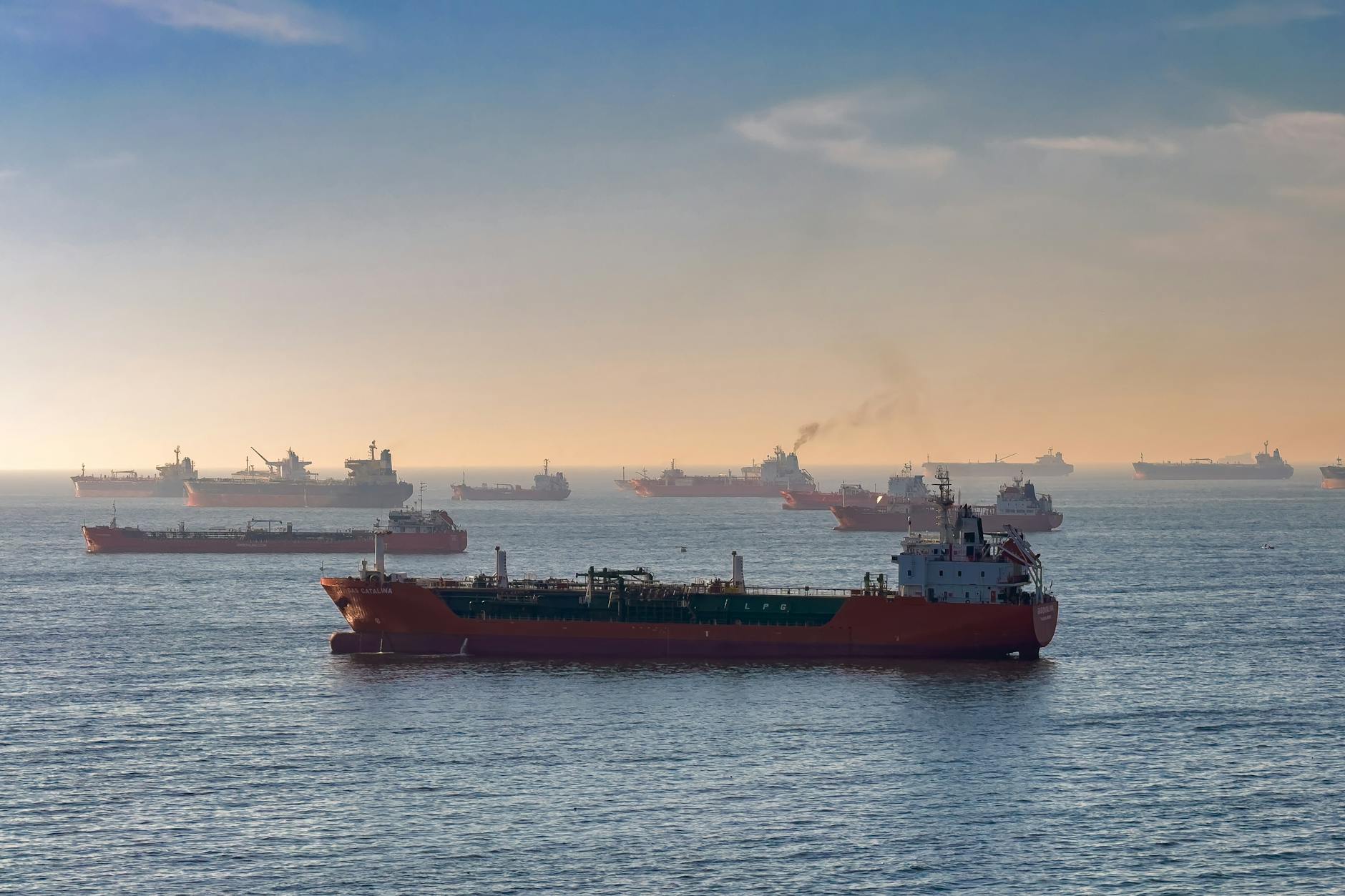
The United States and Iran have reached a historic peace agreement that would reopen the strategically vital Strait of Hormuz, one of the world's most critical shipping corridors, according to announcements from multiple governments on Thursday. Pakistan's Prime Minister confirmed that the formal signing of the accord will take place in Geneva on June 19, with the American president endorsing the deal publicly. Under the terms of the agreement, Iranian state media indicated the strait would be reopened on Friday under Iranian operational arrangements, marking a dramatic reversal in the standoff that has threatened global energy supplies and maritime commerce for months. The development comes amid ongoing regional tensions, with Israeli forces conducting air strikes against Hezbollah positions in Beirut's southern suburbs as the broader Middle East conflict continues to simmer.
The scope and specific terms of the agreement represent one of the most significant diplomatic achievements in recent years, addressing long-standing tensions between Washington and Tehran that have escalated periodically over the past decade. Pakistan's government, which has served as an intermediary in negotiations, announced the accord with confidence that the June 19 signing ceremony in Geneva would formalize the understanding. The reopening of the Strait of Hormuz under Iranian administration signals a fundamental shift in how the waterway will be managed, reversing months of tensions over maritime access and shipping safety. The strait, through which approximately one-third of the world's seaborne oil passes, has been a flashpoint for military posturing and economic anxiety among global markets. Initial reactions from regional actors have been mixed, with Iranian hardline factions already mobilizing to oppose the agreement, suggesting significant internal political obstacles remain even as the official signing approaches. The breakthrough also occurs as Israel has escalated military operations against Hezbollah in Lebanon, with reports of strikes on the group's stronghold in Beirut's Dahiyeh district following Hezbollah rocket fire into Israeli territory.
The agreement emerges from an extended diplomatic process that accelerated following several critical developments in regional security dynamics. For years, the United States and Iran have operated in a state of managed hostility, with periodic escalations triggering international concern about potential wider conflict. The strangling of maritime traffic through the Strait of Hormuz represented one of the most economically consequential pressure points, affecting energy prices globally and threatening the economic interests of numerous nations dependent on Middle Eastern oil. Pakistan's decision to position itself as a mediating party reflected broader international recognition that sustained confrontation between the two powers served no party's interests and threatened regional stability more broadly. The timing of this breakthrough, even as Israeli military operations continue against Hezbollah, suggests that diplomatic channels have remained open despite parallel security challenges. The government of Pakistan appears to have leveraged its own regional relationships and diplomatic standing to create space for negotiation, ultimately facilitating the understanding that both Washington and Tehran have now publicly endorsed.
This development carries profound implications for global energy markets, maritime commerce, and regional stability across the Middle East. The reopening of the Strait of Hormuz under agreed arrangements eliminates one of the most significant economic uncertainties affecting international business, particularly for countries and companies dependent on energy imports from the Gulf region. For energy markets specifically, the agreement should reduce the risk premium that has been embedded in oil prices due to geopolitical tensions, potentially moderating prices for consumers worldwide. The accord also represents a diplomatic victory that may reset the tone of US-Iran relations, moving away from the pattern of threats and sanctions escalation that has characterized recent years. However, the strong opposition from Iranian hardline factions signals that the agreement faces substantial political challenges in Tehran, where conservative elements have historically resisted rapprochement with the United States. The fact that Israeli-Hezbollah tensions remain active and dangerous suggests that while this breakthrough addresses the US-Iran relationship directly, it does not resolve the broader constellation of conflicts affecting Lebanon, Syria, and other regional actors. The agreement's success will ultimately depend on whether both governments can manage domestic political opposition and whether the accord can survive the inevitable stresses that emerge during implementation.
The immediate path forward centers on the June 19 signing ceremony in Geneva, which will represent the formal, binding commitment from both governments to the agreement's terms. Between now and that date, both Washington and Tehran face pressure to manage domestic political reactions, with Iranian opposition forces likely to intensify their campaign against ratification or implementation. Key organizations including the United Nations, which maintains significant presence in Geneva and coordinates international maritime agreements, will likely play monitoring roles ensuring compliance with the strait reopening terms. The European Union, which has its own economic interests in stable maritime commerce and sanctions normalization with Iran, will be watching closely to determine whether the agreement creates opportunities for expanded trade relationships. Pakistan's government, having invested significant political capital in facilitating the accord, will monitor implementation progress and may serve as a backstop for future disputes requiring mediation. The behavior of Israel and Hezbollah in the coming weeks will also prove critical; any significant escalation could destabilize the diplomatic achievement and potentially drag broader regional actors back into confrontation. Observers should expect detailed implementing agreements to emerge before the June 19 signing, with technical committees working to establish specific protocols for strait management, maritime safety procedures, and dispute resolution mechanisms. The success or failure of this accord will establish patterns for whether diplomatic solutions remain viable for addressing other regional tensions or whether the Middle East continues cycling toward conflict.


