
‘There was a lot of blood in the water’: paddeboarder rescues woman after ‘shocking’ Coogee shark attack
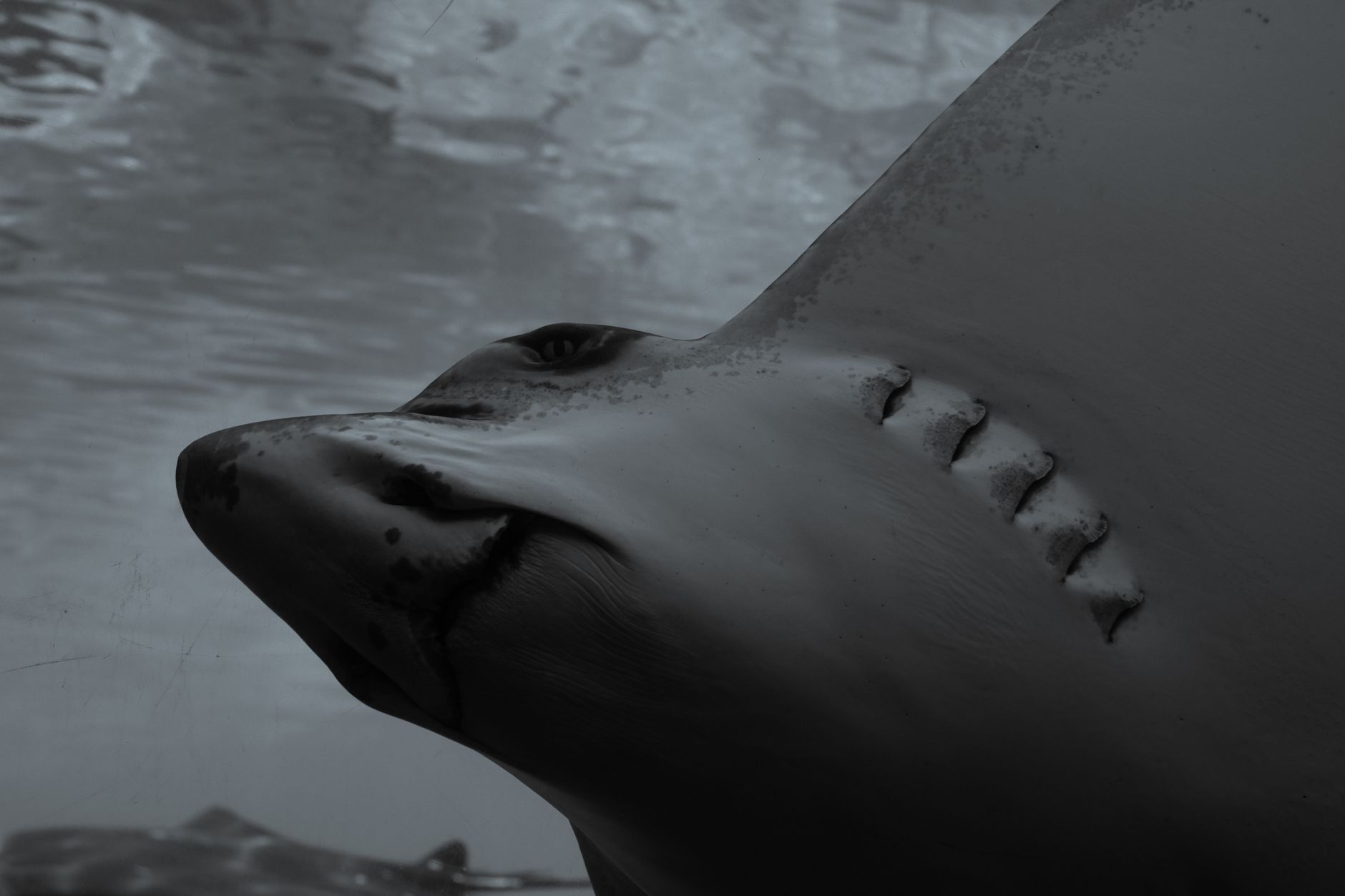
An elite paddleboarder intervened to rescue a woman during a shark attack at Sydney's Coogee Beach on Saturday morning, pulling her from the water after she was injured in what authorities are describing as a shocking incident. Charlie Verco, a competitive athlete preparing for international championship competition, responded immediately upon hearing cries of alarm from fellow beachgoers. The rescue unfolded during daylight hours at a popular swimming destination, prompting immediate response from emergency services and raising fresh concerns about shark encounters in Sydney's metropolitan beaches. The woman sustained injuries during the attack and was treated by paramedics at the scene before being transported to hospital for further medical assessment. The incident marks another significant wildlife encounter in Australian waters, occurring at a location frequented by thousands of residents and tourists throughout the year.
Charlie Verco was conducting a training session on his paddleboard, preparing for the world paddleboarding championships scheduled for Hawaii in July, when the situation escalated rapidly. The North Bondi based athlete heard swimmers shouting warnings about a shark in the vicinity and immediately assessed the developing emergency. Verco managed to reach the injured woman and physically remove her from the water, bringing her back to shore despite the dangerous circumstances he was confronting. Eyewitnesses reported significant blood in the water, with Verco later reflecting on the disturbing nature of what he encountered. The woman's injuries required immediate medical intervention, and paramedics arrived quickly to provide emergency care at the beach. New South Wales emergency services coordinated the response, and authorities subsequently launched investigations into the circumstances surrounding the attack. Verco noted that the shark involved was among the largest he had personally observed in his extensive experience in ocean environments, highlighting the exceptional nature of Saturday's encounter.
Shark incidents at Sydney beaches have generated increasing public concern over recent years, reflecting broader patterns of changing marine wildlife activity near populated coastal areas. The attack at Coogee Beach represents a notable incident within a sequence of encounters that have prompted beach closures and safety warnings across New South Wales waters. Sydney's beaches have historically experienced periodic shark activity, but the frequency and proximity of incidents to heavily populated swimming areas have intensified scrutiny on aquatic safety protocols. Climate change and shifting ocean temperatures have been identified by marine scientists as contributing factors to altered shark migration and feeding patterns in Eastern Australian waters. Prior incidents have led to implementation of various safety measures, including drone surveillance programs, shark nets, and public alert systems. The specific circumstances of Saturday's attack, occurring during morning hours at a popular destination, underscore the unpredictable nature of marine wildlife encounters even in areas subject to active monitoring and safety initiatives.
The rescue intervention demonstrates both the unpredictability of ocean safety situations and the critical importance of immediate response capabilities. For residents and regular users of Sydney's beaches, the incident reinforces the inherent risks associated with ocean recreation, regardless of precautions taken by local authorities or individual swimmers. The broader implications extend beyond the immediate incident to encompass questions about beach safety infrastructure, shark monitoring technology, and public communication protocols during wildlife emergencies. Verco's intervention, drawing on his experience and physical presence in the water at the crucial moment, likely prevented a more severe outcome. However, the incident also highlights limitations in predictive capacity regarding shark behavior and the challenges faced by emergency responders in managing wildlife-related public safety threats. Beach communities and tourism operators throughout Sydney face mounting pressure to balance public access to coastal recreation with legitimate safety concerns, particularly as marine wildlife activity patterns continue to evolve. The incident will likely intensify discussions among council officials, marine experts, and community stakeholders regarding optimal approaches to shark hazard management.
Investigations into Saturday's attack are continuing, with authorities examining circumstances surrounding the encounter and assessing appropriate response measures for future incidents. The New South Wales Department of Primary Industries, responsible for shark management and beach safety protocols, will examine data collected from the incident and determine whether additional monitoring or preventive measures require implementation at Coogee Beach and adjacent swimming areas. Medical teams treating the injured woman will continue assessment of injuries sustained during the attack, with outcomes potentially informing updated safety guidelines for marine recreation. Verco's experience and observations will provide valuable information for researchers studying shark behavior in metropolitan waters, potentially contributing to broader scientific understanding of these encounters. Beach users throughout Sydney should anticipate potential temporary closures or enhanced advisory warnings as authorities review safety protocols. The world paddleboarding championships in Hawaii, where Verco was training when the attack occurred, represent his immediate competitive focus, though the Saturday incident will undoubtedly influence broader conversations within the Australian paddleboarding community regarding ocean safety. Stakeholders including Waverley Council, state environmental officials, and marine conservation organizations will likely convene to assess current safety measures and consider whether modifications to existing protocols are warranted based on Saturday's developments.


