
Pakistan says ‘final, agreed upon’ text of Iran war ceasefire deal reached
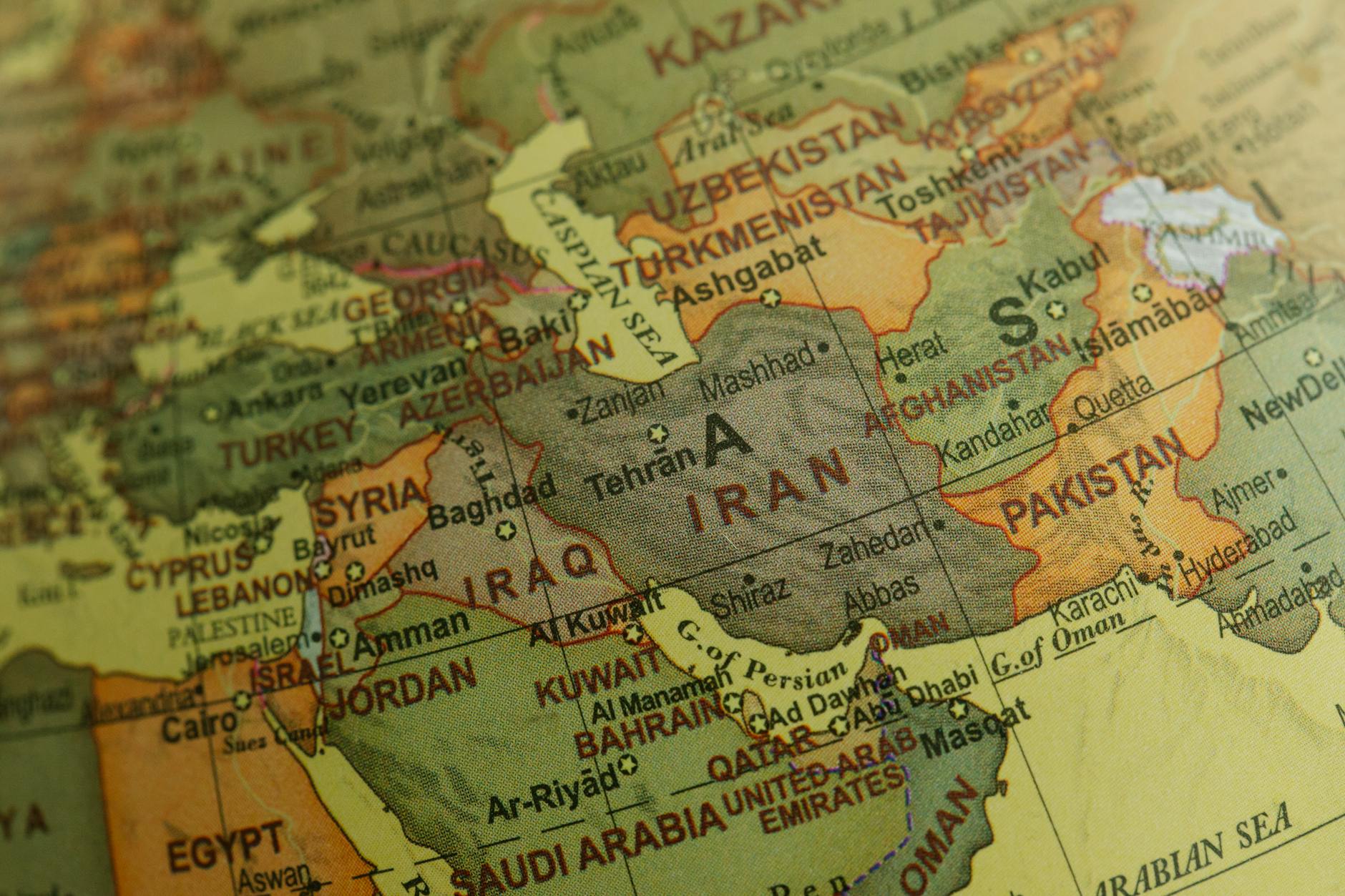
Pakistan's government announced Thursday that negotiators have finalized a ceasefire agreement between Iran and armed groups, marking a significant diplomatic breakthrough in a regional conflict that has threatened to destabilize a volatile part of the Middle East. Pakistani Foreign Office officials declared the text of the agreement as "final and agreed upon" following intensive mediation efforts by Islamabad, which positioned itself as a neutral intermediary in talks between Tehran and militant organizations operating across the Iran-Pakistan border region. The announcement represents the culmination of weeks of shuttle diplomacy and represents a potential turning point in a conflict that has claimed numerous lives and prompted cross-border military operations that have drawn international concern. The timing of the agreement comes amid heightened regional tensions, with the agreement potentially offering a pathway to reduce tit-for-tat military strikes that have characterized the relationship between Iran and these groups in recent months.
The Pakistani Foreign Office statement confirmed that all parties to the dispute have accepted the ceasefire framework, though specific details regarding enforcement mechanisms, monitoring procedures, and the timeline for implementation were not immediately disclosed by officials. Pakistani mediators have been working with representatives from Iran's Islamic Revolutionary Guard Corps, the Iranian government's negotiating team, and representatives of the Baloch Liberation Front and other militant groups based in Pakistan's Balochistan province. The agreement reportedly includes provisions addressing grievances on both sides, including Iranian demands for action against groups it has designated as terrorist organizations and the militants' demands for cessation of cross-border military operations. Pakistan's role as mediator reflects Islamabad's strategic interest in preventing further destabilization along its western border, where militant groups have conducted operations that have also targeted Pakistani military and civilian targets. The agreement's finalization follows multiple rounds of talks held in recent weeks in Pakistani cities, with each negotiating session reportedly bringing the parties closer to consensus on outstanding issues.
The conflict driving these negotiations has roots extending back years, but tensions escalated significantly in recent months following Iranian military operations targeting what Tehran claims are militant training camps in Pakistan. Iran has repeatedly accused groups operating from Pakistani territory of conducting attacks within Iranian borders, including assaults on military installations and civilian areas. Pakistan, facing its own insurgency challenges in Balochistan, has struggled to control all militant organizations operating within its borders while simultaneously maintaining diplomatic relations with Iran. The recent escalation prompted emergency diplomatic interventions from multiple regional players concerned about potential for wider conflict. Pakistani officials recognized that continuing military operations threatened to spiral into a cycle of retaliation that could involve major regional powers, making mediation efforts increasingly urgent. The breakthrough in negotiations appears tied to both parties concluding that military solutions offered diminishing returns and that sustained ceasefire discussions provided a more viable path forward than continued cross-border operations.
The ceasefire agreement's significance extends well beyond the immediate parties involved, carrying implications for regional security architecture and international efforts to manage conflicts in South and West Asia. A stable ceasefire between Iran and Pakistani-based militant groups could reduce operational capabilities of organizations that have threatened both Iranian and Pakistani civilians and military personnel. The agreement also reflects changing diplomatic dynamics in a region where proxy conflicts and militant group activities have historically complicated state-to-state relations. Success of this ceasefire would demonstrate that mediation by regionally invested powers like Pakistan can achieve results where international pressure has proven insufficient. Conversely, failure to maintain the agreement would vindicate those skeptical of ceasefire efforts, potentially accelerating military escalation. For Pakistan specifically, reducing Iranian-based security threats could allow greater focus on counterinsurgency efforts within Balochistan, where militants have waged a prolonged campaign against state authority. The agreement's terms may also influence how other regional nations approach similar conflicts involving militant organizations and state actors.
Implementation of the ceasefire now becomes the critical phase, with Pakistani mediators working to establish mechanisms ensuring both sides adhere to agreed terms and can verify compliance. The United Nations and international observers will likely monitor developments closely given the agreement's implications for regional stability and potential precedent for resolving similar conflicts. Pakistan's Foreign Office has indicated it will facilitate ongoing dialogue between parties to address implementation challenges that typically emerge in ceasefire agreements. Key developments to monitor include whether Iran refrains from further cross-border military operations within the coming weeks, and whether militant groups halt attacks on Iranian targets and Iranian interests. The Organization of Islamic Cooperation has expressed interest in supporting ceasefire implementation, potentially providing additional diplomatic cover for compliance. International attention will focus on whether Pakistan can convince militant groups to respect ceasefire terms despite historical difficulties in controlling such organizations. Success over the next thirty to sixty days will determine whether this agreement represents genuine conflict resolution or merely a temporary pause in hostilities awaiting resumption of fighting.


